
Gas Water Heater Installation, Repairs, or Replacement Austin County, Texas.

Why Professional Gas Water Heater Support Is Essential in Austin County
Austin County gas water heaters endure challenging operating environments due to intensive household use, seasonal temperature swings, and mineralized water supplies that create additional stress on burners, ignition hardware, tank interiors, and safety mechanisms. While homeowners might observe subtle issues such as unreliable hot water delivery, longer recovery periods, or intermittent pilot light function, these symptoms commonly point to more serious malfunctions that demand expert assessment. Since gas-powered water heaters rely on controlled combustion, proper venting, and regulated gas pressure, any performance deviation requires prompt professional attention to avoid safety risks or costly breakdowns. Licensed professionals possess detailed knowledge of local building codes, proper venting standards, and Austin County-specific safety protocols, guaranteeing that all diagnostic work and repairs address both performance and compliance concerns. When gas water heaters display symptoms of aging, internal corrosion, or failing parts, licensed experts help families understand whether repair investments make sense or whether new equipment installation delivers superior long-term returns. Expert advice safeguards homeowners against unnecessary system failures while preserving reliable, efficient performance matched to household demand patterns.
Frequent Gas Water Heater Malfunctions in Austin County Homes
Austin County residents commonly experience problems including delayed heating response, erratic temperature control, or complete hot water system failure, all potentially signaling concealed defects in ignition hardware or combustion components. Persistent pilot outages can result from deteriorated thermocouples, contaminated sensors, or inadequate gas delivery, and combustion efficiency drops as mineral deposits interfere with proper heat exchange. Scale buildup resulting from Austin County’s hard water conditions slowly decreases available tank space and increases runtime necessary to provide adequate hot water. This additional burden speeds the breakdown of temperature regulators, gas delivery components, and pressure management devices, raising the probability of system leaks or dangerous failures. In the absence of licensed inspection, property owners could misjudge indicators and repeatedly adjust settings or restart ignition, hiding serious malfunctions that need experienced technical analysis.
Improper combustion dynamics constitute a widespread problem in Austin County water heaters, commonly causing residue accumulation, excessive noise, or unreliable heating performance. Poor draft conditions allow exhaust gases to linger inside the combustion chamber, disrupting flame stability and triggering shutdowns. Discolored or rusty water frequently indicates internal corrosion, which progresses rapidly once the protective anode rod deteriorates. Critical tank failures commonly progress undetected in remote locations like attics or garages, where equipment monitoring may be irregular. Professional assessments help homeowners distinguish between routine maintenance needs and early warning signs of system failure.
How Professionals Diagnose Gas Water Heater Issues in Austin County
A comprehensive diagnostic process begins with an assessment of ignition behavior, flame quality, and burner integrity, all of which provide critical clues about the heater’s internal condition. Professionals study combustion color and behavior, ventilation dynamics, and startup reliability to determine if problems originate from part deterioration, ventilation obstacles, or gas delivery variations. Reviews incorporate analysis of thermocouples, electronic igniters, and flame rod sensors to decide whether parts need replacement. Fuel delivery testing verifies that available pressure satisfies equipment specifications, particularly in properties operating several gas-powered systems. Accurate diagnosis requires understanding how combustion, ventilation, and mechanical components interact to ensure safe system performance.
Internal tank assessments are also critical during diagnostic evaluations, especially in Austin County homes where mineral-heavy water accelerates sediment accumulation and corrosion. Experts examine for damaged glass linings, consumed anode elements, and unusual acoustics suggesting internal component breakdown. These symptoms commonly reveal the equipment approaches retirement age and could demand replacement to forestall flooding or complete vessel failure. By recognizing these warning signs promptly, licensed experts assist families in averting high-cost emergency scenarios and sustaining safe equipment performance.
Exhaust system performance and airflow dynamics represent further critical evaluation points during troubleshooting procedures. Experts review chimney configuration, ventilation flow, and draft power to verify safe combustion gas removal. Throughout established Austin County residences, flue installations could fall short of updated code requirements, underscoring the necessity for licensed inspection. Inadequate ventilation may result in inefficient burning or toxic gas hazards, rendering correct exhaust function crucial for secure system use.
Benefits of Professional Gas Water Heater Service in Austin County
Opting for qualified experts for gas water heater care in Austin County offers families an unparalleled standard of protection, consistent operation, and enduring functionality unattainable via speculation, temporary repairs, or unqualified service. Expert professionals comprehend how flame dynamics, exhaust management, fuel delivery, and vessel condition function as interconnected components, indicating that problems in one zone frequently reveal emerging vulnerabilities in others. When professionals assess a heater, they evaluate each component’s condition, measure gas pressure, confirm proper ventilation, and verify that temperature controls respond appropriately, creating a complete picture of the heater’s health. This approach not only resolves immediate problems but also prevents future failures by identifying hidden risks such as weakened valves, deteriorated anode rods, or corrosion inside the tank. Residents who trust licensed service bypass the loop of repeated malfunctions, elevated fuel expenses, or high-cost urgent replacements, instead securing steady functionality and dependable hot water access across all seasons. The benefit of qualified service becomes particularly evident in aging Austin County properties, where outdated equipment might not satisfy contemporary safety requirements and where expert attention assists in upgrading installations to comply with present-day codes.
An additional major advantage of selecting expert service in Austin County involves the guarantee that every task meets local regulations and equipment maker guidelines, a necessity that preserves warranty coverage and avoids legal complications during property sales or evaluations. Many heaters installed decades ago were placed in attics, closets, or garages without proper ventilation or without the safety devices required today, and these older setups often become problematic as the home ages. Technicians evaluate whether vent pipes are correctly sized, verify that combustion air requirements are met, and confirm that pressure relief valves operate safely, addressing concerns that untrained installers may overlook. When a water heater is installed or serviced incorrectly, the consequences can include backdrafting, gas accumulation, water damage, or structural deterioration, all of which carry significant repair costs. With expert attention, homeowners protect their property while ensuring their heater remains safe for everyday use. Professional work also simplifies the replacement process when the time comes, because properly documented installations streamline future inspections, warranty claims, and insurance reviews.
Qualified service further improves enduring performance of gas water heaters in Austin County, especially in residences where high-mineral water speeds scale deposits inside the tank. As mineral deposits coat the flame zone, the system operates more intensely and extensively to warm water, elevating gas usage and accelerating internal part deterioration. Experts evacuate scale buildup, review sacrificial rods, and fine-tune control devices, recovering maximum heat transfer efficiency and curtailing wasteful gas usage. Over time, this attention lowers monthly utility bills and extends the life of the heater, reducing the long term cost of ownership. For households with high hot water demand, expert evaluation ensures the heater is appropriately sized and configured to meet daily needs without running excessively or overheating. These operational enhancements multiply across the system’s working life, establishing professional service as a financially prudent selection alongside its protective advantages.
Making the Right Choice: Repair or Replace Your Gas Water Heater in Austin County
Deciding between repairing and replacing a gas water heater in Austin County demands thorough analysis of equipment age, operational track record, security status, and extended financial consequences. Standard equipment functions eight to twelve years, while units subjected to constant use, hard water conditions, or insufficient maintenance could fail prematurely. When a heater approaches this age range, frequent breakdowns, noisy operation, or declining efficiency often indicate that repair efforts will provide only temporary relief. Certified professionals assess combustion consistency, burner condition, vessel soundness, and valve functionality to establish if the equipment retains sufficient longevity to warrant repair. Should oxidation have compromised interior parts or should the protective anode have degraded beyond effectiveness making vessel rust inevitable, replacement typically represents the more secure and cost-effective choice. Residents who defer replacement commonly experience increased utility expenses, troublesome malfunctions, or property damage from leaks that emerge suddenly. By contrast, replacing an aging heater with a newer, more efficient model ensures predictable performance and lower operating costs, particularly in climates such as Austin County, where daily hot water usage remains high throughout the year.
Repairing a heater may be the right choice when issues involve isolated component failures such as faulty thermocouples, worn igniters, malfunctioning sensors, or mild sediment accumulation that has not yet undermined the tank’s structural integrity. These corrections recover functionality rapidly and cost-effectively, especially when the system stays within its projected useful lifespan. However, when the heater struggles with inconsistent temperatures, takes too long to recover, or exhibits repeated ignition failures, these symptoms often suggest deeper mechanical issues that will continue to resurface over time. Experts furthermore assess the system’s efficiency classification, as dated models require more gas than current high-efficiency units, elevating routine utility costs for Austin County residents. When repair costs approach or exceed fifty percent of the price of a replacement, upgrading to a new heater typically provides greater long term savings, improved reliability, and enhanced safety features.
The choice between fixing and replacing additionally relies on the state of supporting systems, encompassing exhaust pathways, fuel supply lines, and plumbing connections. In some Austin County homes, outdated venting systems cannot safely support newer burner designs or higher efficiency heaters, making replacement the only viable option when code compliance is considered. Technicians evaluate whether the existing gas supply meets manufacturer requirements and whether the venting pathway aligns with current safety standards. If corrections are necessary, installing a new heater becomes more practical, since the home must already undergo infrastructure modifications. Conversely, if supporting infrastructure stays in satisfactory condition and the equipment’s age remains within reasonable bounds, focused repairs can recover functionality without the cost of complete replacement. Residents count on qualified advice to grasp these factors and to confirm that all decisions stress protection, household comfort, and lasting financial advantage.
Selecting the Best Gas Water Heater for Homeowners in Austin County
Selecting the appropriate gas water heater for your Austin County property demands comprehension of family usage patterns, energy performance standards, exhaust system needs, and available installation space, each affecting sustained operation and running expenses. Residents commonly miscalculate how routine habits, family composition, and simultaneous usage patterns influence the heater’s load, producing systems that cycle excessively or cannot sustain adequate temperatures. Certified technicians analyze these behaviors and suggest storage volumes or advanced-efficiency models that align with the property’s actual requirements, guaranteeing dependable reheat periods and minimized fuel usage. Often, aged systems placed in prior decades were sized using dated guidelines or constrained equipment options, yielding configurations that no longer suit current comfort requirements or performance expectations. With professional guidance, homeowners can select models that improve reliability, lower fuel costs, and provide consistent hot water throughout the home.
Beyond capacity and efficiency, homeowners in Austin County must consider the physical placement of the heater, ventilation constraints, and the compatibility of existing gas lines, each of which influences system selection and installation cost. Overhead locations, frequent in many established properties, could constrain alternatives for bigger capacities or high-performance designs that necessitate upgraded ventilation or drainage handling. Plumbers assess these layout challenges and offer clear recommendations that balance performance, safety, and practical installation considerations. This evaluation often reduces long term expenses by ensuring the chosen heater integrates seamlessly with the home’s infrastructure, preventing future problems related to venting, gas flow, or water distribution. Via partnership with qualified specialists, residents dodge costly mistakes and identify systems that offer reliable, economical performance for many years. For fast, reliable service backed by decades of experience, call (713) 853-9881 to schedule your appointment today for how to keep your gas water heater operating reliably in Austin County…
FAQs About Gas Water Heater Installation, Repair, & Replacement in Austin County
How does the gas water heater installation process work in Austin County?
Most Austin County plumbers begin by inspecting the old heater and verifying that all gas connections meet code. They will remove the old unit and mount the new system with proper venting and secure gas fittings. Next, the installer runs safety checks, ignition tests, and temperature evaluations to confirm correct operation.
How long does it generally take Austin County plumbers to install or fix a gas water heater?
Most installs in Austin County take about two to four hours depending on the home’s layout and venting. Repairs tend to be faster and often wrap up in under an hour. If venting or gas-line updates are needed, the job may take longer.
What are the signs my gas water heater needs repair?
Temperature swings, odd noises, and pilot outages often indicate trouble. Tank sediment can hamper efficiency and cause overheating. Prompt repairs keep the system running safely and prevent major breakdowns.
How much should I expect to pay for installation or repair in Austin County?
Pricing depends on factors like heater capacity, vent setup, and local code needs. Local homeowners usually encounter a moderate range tied to their specific installation conditions. Most repairs are relatively inexpensive, varying by the failed component.
Is a permit required for gas water heater installation in Austin County?
Yes, Austin County typically requires a permit for gas water heater replacement or installation. These permits ensure plumbers follow approved safety practices and building codes. Your licensed plumber can usually handle the permit process on your behalf.
Homeowners in Austin County rely on skilled, licensed technicians for gas water heater installation, repair, and replacement that meets Houston’s safety and performance standards. Our team brings more than sixty years of experience diagnosing complex issues and installing systems built for long-term reliability. With clear communication, efficient scheduling, and a commitment to quality workmanship, we help families restore safe, consistent hot water with confidence. Call (713) 853-9881 or visit plumbing.johnmooreservices.com to arrange fast, professional service for your home.
John Moore Plumbing Services
10005 West Sam Houston Pkwy N
Houston, Texas 77064
Phone: (713) 853-9881
Website: plumbing.johnmooreservices.com
Blogs Related to The BEST Gas Water Heater Replacement in Austin County


Types of Plumbing Work for Commercial and Residential Services in Houston, TX
Plumbing work in Houston, TX covers a wide range of services for both residential and commercial properties. Skilled plumbers handle emergency plumbing service, drain cleaning, and water heater repair to keep systems running efficiently. Additional services include pipe leak repair, toilet repair, water line repair, and sewer line inspection to address routine maintenance and urgent issues. Professional plumbing ensures code compliance, prevents property damage, and extends the lifespan of fixtures and pipes. Houston homeowners and business owners benefit from expert plumbing solutions that maintain reliable water flow and long-term system performance.
Your Houston Homeowner’s Guide to Water Heater Installation
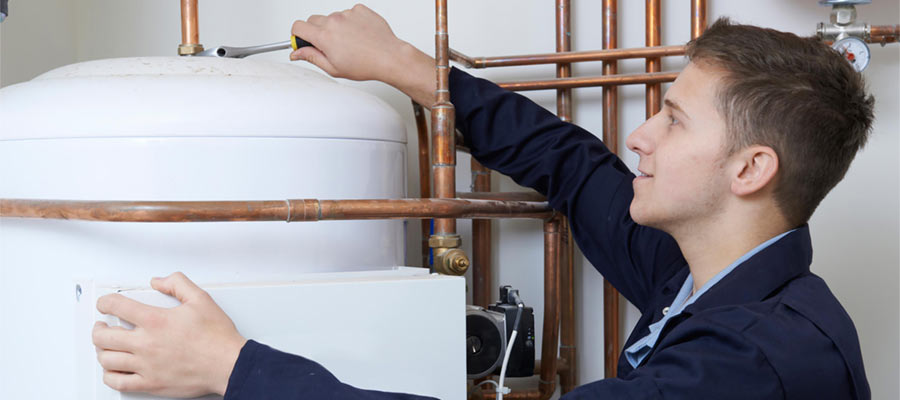
Discover what Houston homeowners should know before installing a new water heater, including how to size your unit correctly and when a water heater replacement is smarter than repeated water heater repair. This guide explains local requirements, energy-efficient options, and how tankless systems can help cut utility bills. You’ll also learn how proper installation protects your plumbing system and helps avoid costly leak detection or pipe damage later. If you’re upgrading your water heater in Houston, this resource makes it easier to choose the right setup and get dependable results.
Emergency Water Line Repair: Dealing with Burst Pipes
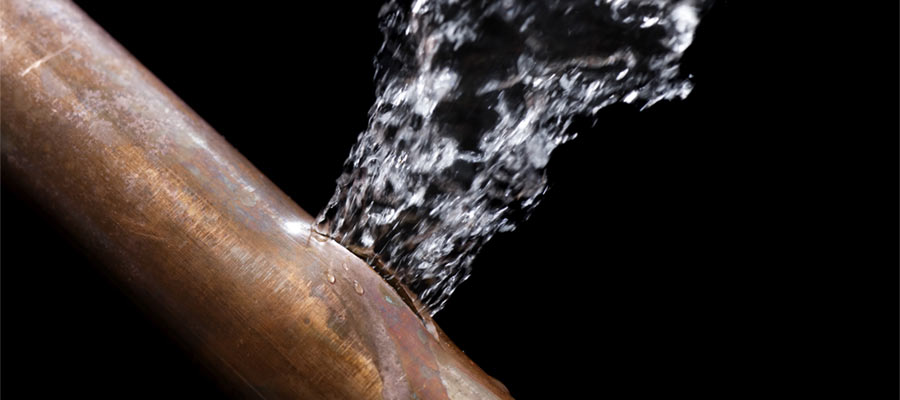
Emergency water line repair is crucial for Houston, TX homes and businesses facing burst pipes and sudden leaks. Immediate action prevents extensive water damage, flooding, and costly property repairs. Professional plumbers provide rapid leak detection, pipe leak repair, and main water line replacement to restore safe, reliable water flow. Timely emergency service protects plumbing fixtures, appliances, and structural integrity while minimizing downtime. Houston property owners benefit from expert response and durable repairs that ensure long-term system performance after a water line emergency.
5 Reasons to Prioritize Sewer Line Video Inspection for Houston Homeowners
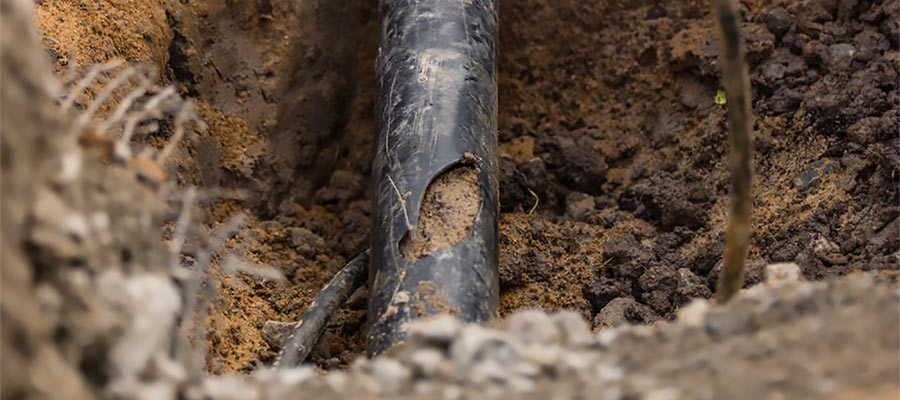
Sewer line video inspection is essential for Houston, TX homeowners to detect problems before they escalate. Five key reasons to prioritize it include identifying blockages, spotting cracks or corrosion, detecting root intrusion, preventing backups and flooding, and avoiding costly emergency repairs. Professional plumbers use advanced camera technology for precise sewer line inspection, enabling targeted sewer line repair or hydro-jetting. Early detection protects property, maintains proper wastewater flow, and extends the life of your plumbing system. Houston homeowners benefit from proactive inspections that ensure long-term reliability and reduce unexpected plumbing expenses.
More Info About Gas Water Heater Replacement in or near Austin County
If your gas water heater in Austin County is struggling to keep up, showing signs of wear, or failing to provide consistent hot water, our licensed Austin County plumbers are ready to help with fast installation, repair, and replacement service. We diagnose ignition failures, sediment buildup, burner issues, and aging tank problems to restore safe, dependable performance. Whether your system needs targeted repair or a full upgrade, we deliver solutions built for long-term reliability in Austin County. Call (713) 853-9881 today to schedule prompt service from a trusted Houston plumbing team.