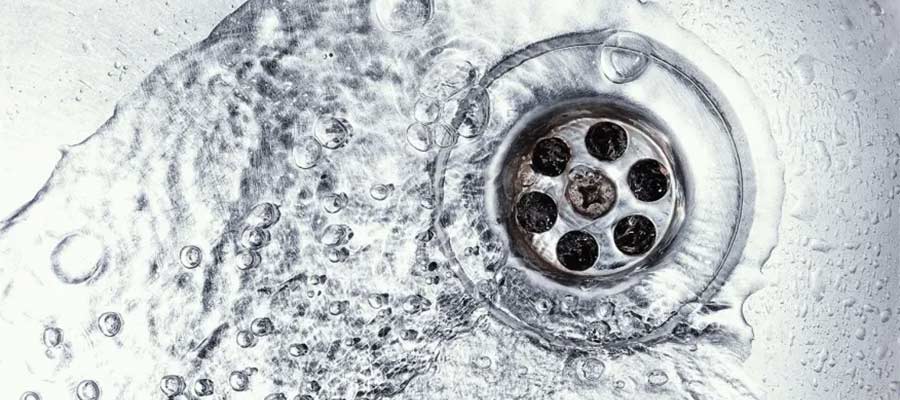
Drip. Drip. Drip. In the middle of the night, lying in bed, you can hear it from the kitchen. The handle is all the way off, but water keeps coming. Or maybe the bathroom faucet leaks at the base whenever you turn it on. The handle squeaks when you move it.
Seems minor. Annoying but not urgent. Except that drip adds up fast. One leaky faucet dumps over 3,000 gallons a year. That’s real money on your water bill going straight down the drain.
The cabinet underneath gets damp. Mold starts where you can’t see it. Corrosion spreads. What started as an annoying drip turns into a real problem.
Good news? Sometimes it’s a $20 washer. Sometimes the whole thing needs replacing. Here’s how to figure out which.
Quick Facts
| Thing | Repair | New Faucet |
| What does it cost? | $150 to $350 | $300 to $800 put in |
| Buys you how long? | Maybe 3 to 5 more years | 15 to 20 years easy |
| Works for | Drips, weak pressure, wobbly handles | Rust, cracks, old junky ones |
| Houston thing? | Hard water chews these up | Minerals win eventually |
Why Bother Fixing It
That drip? 3,000 gallons a year. This amount of water is equivalent to a small pool. The money you’re spending on it is simply wasted. Your water bill is literally higher because of a malfunctioning washer.
Then there’s the damage you don’t see. Moisture gets into the cabinet. Particleboard swells. Mold grows in the dark. The countertop has sustained water damage. Corrosion is spreading through pipes and valves because everything’s constantly wet.
Fix it early, and none of that happens. Quick repair saves you from bigger problems that cost way more to deal with.
Signs Something’s Off
The faucet is dripping when it should not be. The handle is all the way closed, but water keeps coming. Usually, the issue stems from a worn washer or O-ring inside the unit. Cheap fix if you catch it.
Weak water pressure. The water pressure used to be stronger, but it’s now significantly weaker. The faucet is accumulating mineral crud, and the aerator screen is clogged with junk. Houston water is brutal with these things. Sometimes cleaning the aerator helps. Sometimes the buildup is too advanced to save.
The base exhibits rust or crusty mineral deposits. Greenish-white buildup. Corrosion is eating the metal. The fixture is dying. That rust can get in your water. Stains the sink. Over time, this rust can lead to leaks beneath the sink, which may not be noticeable until they cause significant damage.
The handle sticks or makes noise when you turn it. There’s a grinding or squeaking sound coming from within. Parts wearing out. A little WD-40 might buy some time, but the internals are going to fail.
The faucet appears to be from 1995. Besides looking dated, old ones waste more water. Newer models use 30% less. Upgrading looks better and saves water. Win-win.
Handle It Yourself or Call Someone
Here are some tasks you can perform yourself. Please replace the washer if you are able to locate the correct one. Tighten loose handles. Unscrew the aerator and clean the gunk out of it. Nothing fancy required.
Call a plumber when water’s leaking from underneath or around the base. When there’s corrosion, you can see inside. If you’re unsure of the brand or model you’re working with, it can be challenging to locate the necessary parts.
Messing with plumbing when you don’t know what you’re doing usually worsens it. Stripped threads. Cracked valves. Overtightening can cause connections to leak. A pro gets it done right without creating new problems.
What the Plumber Actually Does
First they figure out what kind of faucet you have. The types of faucets typically include compression, ball, cartridge, and ceramic disc models. Each one works differently inside. Check for wear, leaks, and any corrosion hiding in there.
Test the water pressure. Weird flow might mean blockages or mineral buildup somewhere in the line. It’s not always the faucet’s fault.
Replace the worn stuff. Replace the worn-out washer, O-ring, and cartridge. It is important to use high-quality parts instead of cheap ones that can break down within six months.
Clean everything up, and lubricate the moving parts. The handle should turn smoothly and easily again.
Run it with full pressure before leaving to make sure nothing leaks. If it’s fixed, it’s actually fixed.
When a New One Makes More Sense
Repairs are excellent when the faucet still has life in it. However, there are instances when investing in repairs is unnecessary.
The thing is 15-plus years old, and you keep fixing it. The body itself exhibits visible cracks or corrosion. It consumes significantly more water than its modern counterparts. The kitchen or bathroom is getting remodeled anyway.
A new faucet fixes the mechanical problems, and you get something nicer. Touchless faucets, with a single handle and a pull-down sprayer, are the most popular options. The faucet performs better on a daily basis. It looks better too.
Houston’s Hard Water Situation
Water here has extra minerals. Calcium, magnesium. This substance leaves behind white, crusty deposits all over the place. This substance slowly accumulates inside faucets over time. This substance clogs pipes, triggers leaks, and reduces pressure. Over time, this substance can damage any fixture, regardless of its initial quality.
Consider using a water softener for the entire house if you are serious about addressing the issue. Or at minimum, soak the aerator in vinegar every few months to dissolve the crud. An annual plumbing checkup catches corrosion before it gets severe.
A little bit of maintenance goes a long way with Houston water.
FAQs
How long should a faucet last?
It can last 15 to 20 years if you take care of it. Clean it, fix drips early, and don’t ignore problems. Houston’s hard water makes this procedure harder but still doable.
Would it be more beneficial to repair it, or would replacing it be a better option?
Consider repairing it if the fixture is still in satisfactory condition. A new washer costs way less than a new faucet. But if it’s old and falling apart, replacement makes more sense long-term.
Why is my pressure weak?
The flow may be obstructed by mineral buildup, a clogged aerator, or corroded pipes. It might be the faucet. The issue could potentially be rooted deeper in the plumbing system. Pros can figure out which.
What’s this cost around here?
Repairs usually cost $150 to $350. The cost for a full replacement with a new fixture and labor varies from $300 to $800, depending on your choice.
Can I stop future leaks from happening?
Mostly. Clean the aerator now and then. Fix drips when they start instead of ignoring them. Get things checked once a year. This prevents minor issues from escalating into costly ones.
John Moore Services
Faucet repair and replacement across Houston. Stop the drip, deal with hard water damage, and upgrade to something that actually works. Kitchen, bathroom, wherever.
Is that drip keeping you up at night? Call (713) 730-2525 or visit JohnMooreServices.com.