
Puddle of water on the floor near your water heater. Wasn’t there yesterday. Maybe you noticed a drip. Maybe just wet concrete in the garage that shouldn’t be wet.
The water heater is leaking somewhere. The question is where and how awful.
It could be minor. A loose valve may require tightening. It could be serious. The tank rusted through and needs replacing. Or something in between. Knowing what’s actually happening tells you whether the situation is a quick fix or a bigger problem.
Houston’s hard water doesn’t help. Minerals build up inside faster here. Over time, the sediment at the bottom erodes the tank. Systems fail sooner than they would with softer water.
Here’s what causes leaks, how to figure out where yours is coming from, and what to do about it.
Quick Facts
| Question | Reality |
| How long do these last? | The tank style is suitable for ages 8 to 12 years. Less if you skip maintenance. |
| What’s the repair going to cost? | $150 to $700 for valve stuff. $1,000 to $2,500 if the whole thing needs replacing. |
| What usually causes it? | Possible causes include a rusted tank, a bad drain valve, or an acting pressure relief valve. |
| Houston thing? | Hard water builds sediment faster. Tanks fail sooner here than other places. |
Where Leaks Come From
Three main places. The three main places are the tank itself, the drain valve at the bottom, or the temperature and pressure relief valve on the side. Each one means something different.
Tank Leaks
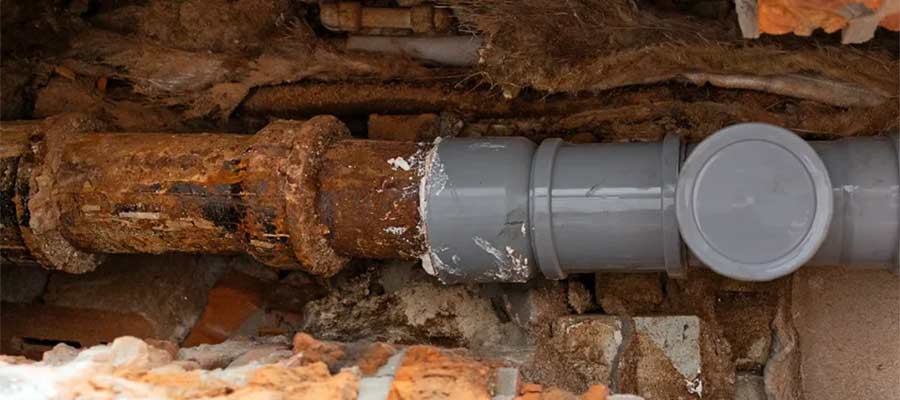
The troubling news is a leak from the tank itself. Rust and sediment build up at the bottom over years. Metal weakens. Eventually, it develops holes or cracks. Water escapes, and there’s no fixing that.
Signs the tank is failing: Water pooling directly underneath the heater. The presence of visible rust on the outside or around the fittings is another sign of tank failure. The hot water no longer reaches the same temperature it used to.
Tank leak means replacement. A rusted-through tank cannot be repaired. Delaying worsens it. A small leak becomes a big leak and then a flood in your garage. Please consider having it replaced before that occurs.
Drain Valve Leaks
The drain valve sits at the bottom of the tank. The drain valve serves the purpose of flushing out sediment or completely draining the tank. If it’s leaking, water drips or pools at the base.
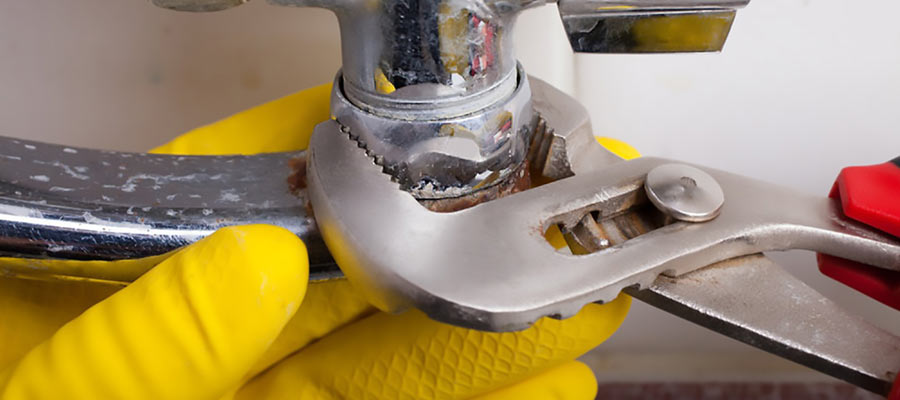
Sometimes it just needs tightening. Grab it by hand and turn clockwise. See if that stops the drip. If the valve looks corroded or cracked, or tightening doesn’t help, the valve needs replacing.
Drain valve replacement is usually cheap and straightforward. It is far preferable to replace the drain valve and prevent water damage to the floor surrounding the heater.
Temperature and Pressure Valve Leaks
A T&P valve is a safety device. The T&P valve releases pressure when the temperature rises excessively or when the pressure within the tank reaches an excessive level. This prevents the entire system from developing issues.
If this valve is leaking, it’s doing its job. It means the pressure or temperature inside is too high. Water is escaping to prevent worse things from happening.
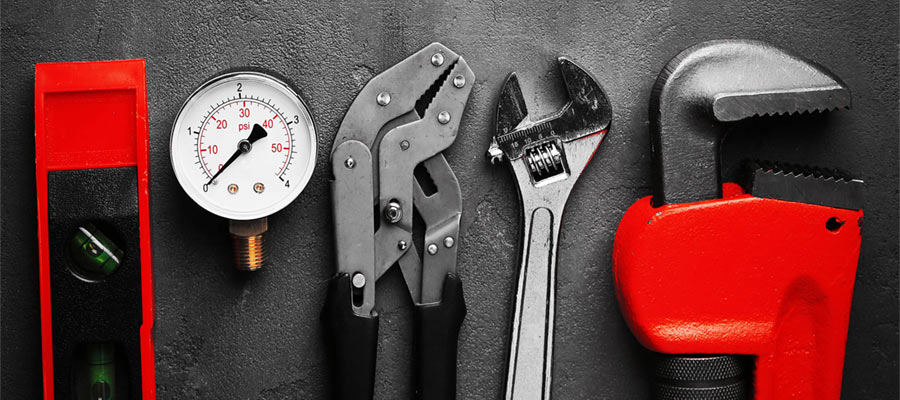
Check your water pressure. The water pressure should be below 75 PSI (pounds per square inch), which is a unit of pressure measurement. A pressure gauge tells you where you’re at. Check the temperature setting too. Keep it under 120 degrees. Higher than that stresses the valve and wastes energy anyway.
If pressure and temperature are fine but the valve still leaks, the valve itself might be failing. The valve likely requires a professional inspection and replacement.
What to Do When You Find a Leak
Please first determine the source of the leak. The tank itself? Drain valve? T&P valve? Location tells you what kind of problem you’re dealing with.
Turn off the power. Electric heater, flip the breaker. Gas heater: turn the gas valve to pilot or off. You don’t want the thing to heat while you’re dealing with the leak.
Turn off the water supply to the heater. The valve should be on the cold water line coming in. This prevents additional water from entering while you investigate the issue.
Drain valve leak? Try tightening it. If that works, congratulations. If not, the valve needs replacing. T&P valve leak? Check pressure and temperature settings first. Adjust if needed.
Is the tank itself leaking? That’s replacement time. This is beyond your ability to repair. Please contact a plumber to address the issue before the leak worsens.
DIY vs Professional
| Problem | DIY? | Pro? | Cost |
| Drain valve | Tighten yes, replace maybe | Optional | $150 to $250 |
| T&P valve | Adjust settings, yes. | Recommended | $200 to $400 |
| Tank leak | Nope | Full replacement | $1,000 to $2,500 |
Houston Situation
Hard water here means sediment builds up faster than in other places. Tank bottoms corrode quicker. Water heaters fail sooner than their rated lifespan if you don’t maintain them.
More people are switching to tankless models. Tankless models eliminate the need for a large tank to corrode. Fewer leak opportunities. They last longer too, up to 20 years. They may incur a higher initial cost, but they tend to cause fewer problems over time.
Tank style is still common, though. If you have one, annual inspections catch leaks early. Flush the sediment yearly. Check the anode rod. This basic maintenance adds years to the system’s lifespan.
FAQs
What is the recommended urgency for addressing a tank leak?
Immediately. Tank leaks only get worse. A small puddle becomes a flood. Get it replaced before water damage adds to the cost.
Would it be possible for me to address a T&P valve leak on my own
Adjusting pressure and temperature settings is safe to try. If the leak continues after that, it would be advisable to consult a professional.
How often should I check my water heater?
I recommend checking your water heater at least once a year. Look at the bottom for moisture, check the valves, and inspect the overall condition. Catch problems early.
What causes sudden leaks?
Tank corrosion has finally broken through, leading to valve failure and pressure and temperature spikes. Corrosion happens gradually, but the leak seems sudden when it finally appears.
Are tankless water heaters better for Houston homes?
Since there is no tank to corrode, tankless systems are more efficient and less prone to leaks. Although it has a higher initial cost, it tends to cause fewer problems over time. Still needs maintenance, though.
John Moore Services
John Moore Services provides water heater repair and replacement services throughout Houston. Please identify the source of the leak, repair it if feasible, and proceed with replacement if necessary. Fast response because leaks don’t wait.
Water heater leaking? Call (713) 730-2525 or visit JohnMooreServices.com.