Flush. Water rises instead of going down. Keeps rising. You’re standing there watching, hoping it stops before overflowing.
Clogged toilet. Happens to everyone eventually. First instinct is usually to flush again. Don’t. Makes it worse. Second instinct might be reaching for some chemical drain cleaner. Also don’t. Can damage the porcelain and your pipes.
The good news is that most clogs can be fixed without calling anyone. Plunger handles most of them. Toilet auger for stubborn ones. If you don’t have any tools handy, there are a few household tricks you can try. Goes from panic to solved in fifteen minutes usually.
But do it wrong and you crack the porcelain. Damage the flush valve. Push the clog deeper. Turn a simple fix into an expensive problem. Here’s how to unclog a toilet without breaking anything.
Quick Facts
| Question | Reality |
| How long do toilets last? | 10 to 15 years usually. Internal parts need replacing sooner. |
| What’s fixing this going to cost? | DIY is basically free if you have a plunger. Pros run $150 to $300. |
| Houston thing? | Older homes have aging pipes, tree roots, and mineral buildup. Clogs happen more. |
| How long to fix? | 15 minutes for simple ones. Hour if it’s stubborn. |
Why Doing This Right Matters
A clogged toilet isn’t just annoying. Can lead to water damage if it overflows. Mold if moisture gets into places it shouldn’t. Repeated problems if you don’t actually fix the underlying issue.
A wrong approach makes things worse. Too much force cracks porcelain. Chemical cleaners eat away at seals and pipes. Pushing too hard with the wrong tool damages the flush valve or flapper. Suddenly a simple clog becomes a toilet replacement.
Houston homes have extra challenges. Older properties with galvanized or clay pipes that clog easier. Hard water causes mineral buildup over time. Tree roots finding their way into sewer lines. A gentle approach protects your whole plumbing system.
Method 1: Plunger
Works for most clogs. Use a flanged plunger, the kind with the extra rubber lip at the bottom. Regular cup plungers are for sinks. Flanged ones fit toilet drains properly.
Place it over the drain opening and push gently to create a seal. Don’t slam it down. Plunge up and down with controlled steady pressure. Seal is what matters. Forcing air through the seal breaks up the clog.
After a dozen pumps or so, pull the plunger out and see if water drains. If it does, flush carefully to test. Might need a few rounds. Gentle, consistent pressure beats frantic forcing every time.
Method 2: Toilet Auger
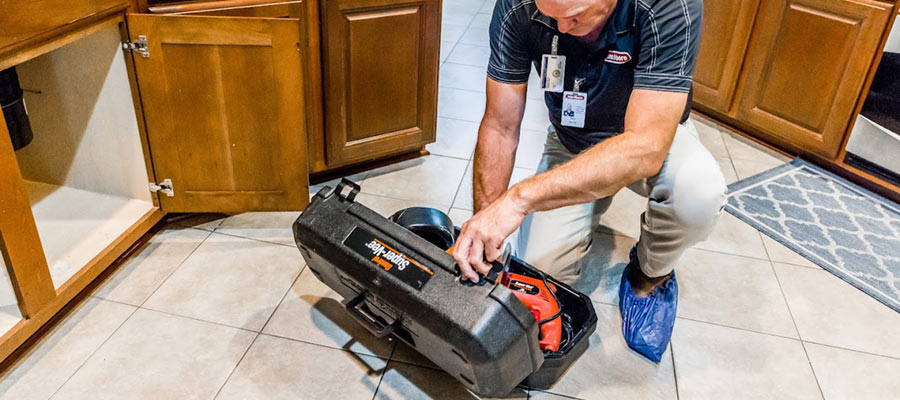
For clogs that plunger can’t handle. A toilet auger, also called a closet auger, is specifically designed for toilets. Has a protective sleeve so it won’t scratch the porcelain. Don’t use a regular drain snake; those can damage the bowl.
Insert the auger head carefully into the drain. Turn the handle clockwise while pushing gently. When you feel resistance, that’s the clog. Keep turning to break through it. Then turn counterclockwise to pull debris back out.
Remove the auger and flush to test. You may need to repeat this process several times. Augers reach further than plungers and can break up things that are stuck deeper in the trap.
Method 3: Baking Soda and Vinegar
No plunger handy? This works sometimes. Pour about a cup of baking soda into the bowl. Let it sit for ten minutes. Then slowly add two cups of vinegar.
Fizzes up. Chemical reaction helps loosen debris. Wait a few minutes for it to do its thing. Then flush carefully.
Won’t work on serious clogs but handles minor ones without any harsh chemicals. Gentle on pipes too.
Method 4: Hot Water and Dish Soap
Another no-tools option. Squirt some dish soap into the bowl. Add hot water from the tap. Not boiling. Boiling water can crack porcelain. Hot from the faucet is fine.
Pour slowly so you don’t splash. Soap lubricates, and hot water helps break up organic matter. Wait a few minutes and try flushing.
Good for clogs caused by waste rather than foreign objects. Won’t help if a kid flushed a toy.
When to Call a Pro
Tried everything above and still clogged? Time to call someone. Stubborn clogs might be deeper in the line than you can reach. It could be tree roots. It could be something stuck in the main sewer line.
Recurring clogs even after you clear them? That’s a sign of a bigger problem. It might be pipe damage, buildup further down, or something that’s going to keep happening until the root cause gets fixed.
Multiple fixtures backing up? Toilet and shower both slow? Sewer line issue. Definitely need professional equipment to diagnose and fix.
A pro has specialized tools, can find exactly what’s wrong, and fixes it without damaging anything. Usually cleared in under 30 minutes. Worth the cost when DIY isn’t cutting it.
DIY vs Pro
| Thing | DIY | Professional |
| Cost | Free to maybe $50 for an auger | $150 to $300 |
| Time | 15 minutes to an hour | Usually under 30 minutes |
| Damage risk | Possible if you’re aggressive | Pretty much zero |
| Equipment | Plunger, maybe an auger | Cameras, power augers, the works |
What Causes Clogs
The age of the toilet matters. Older ones have narrower passages, weaker flushes, and are more prone to clogs from normal use.
What goes down matters more. Organic waste handles fine. Foreign objects don’t. Wipes, feminine products, dental floss, and anything that doesn’t dissolve cause problems.
Pipe condition plays a role. Old galvanized or clay pipes clog easier. Mineral buildup narrows the passage over time. Tree roots find cracks and grow inside.
Houston’s hard water accelerates mineral buildup. Shows up inside pipes gradually. Reduces flow until small things that used to flush fine start getting stuck.
High-use bathrooms clog more. More opportunities for problems. More stuff going down.
Houston Situation
Tree roots are a frequent cause here. Houston has big trees with aggressive root systems. Find sewer lines and grow right into them.
Older neighborhoods have galvanized and clay pipes that were fine decades ago but cause problems now. Heights, Bellaire, West University. Plumbing that’s past its prime.
24/7 plumbing services getting more calls because people try DIY, worsen it, and need emergency help at midnight. Knowing when to call saves headaches.
Preventive maintenance is making more sense to people. Annual inspection catches buildup before it becomes a total blockage.
FAQs
Can I use chemical drain cleaners?
Don’t. Damages porcelain and pipes. Makes things worse long-term. Stick to mechanical methods.
How often should I check the toilet?
Quick look every 6 to 12 months. Please inspect for any leaks and ensure that it flushes effectively. Older homes need more attention.
What causes most clogs in Houston?
Flushing stuff that doesn’t belong. Wipes, feminine products, too much paper at once. Tree roots in older areas.
How do I prevent future clogs?
Only flush the three P’s. Keep a trash bin nearby for everything else. Don’t overload the flush. Consider a plumbing checkup every year or two.
How fast can a plumber fix it?
Most clogs are cleared in 10 to 30 minutes once they’re on site. Stubborn ones or sewer line issues take longer.
John Moore Services
Toilet repair and drain clearing across Houston. 24/7 when you need it. Please locate the clog, remove it, and ensure it does not return. Licensed plumbers with the tools to handle whatever’s stuck down there.
Toilet won’t flush? Call (713) 730-2525 or visit JohnMooreServices.com.