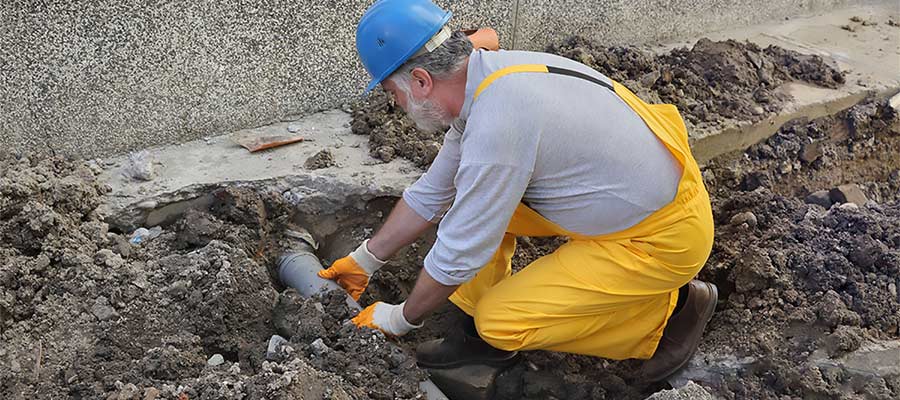
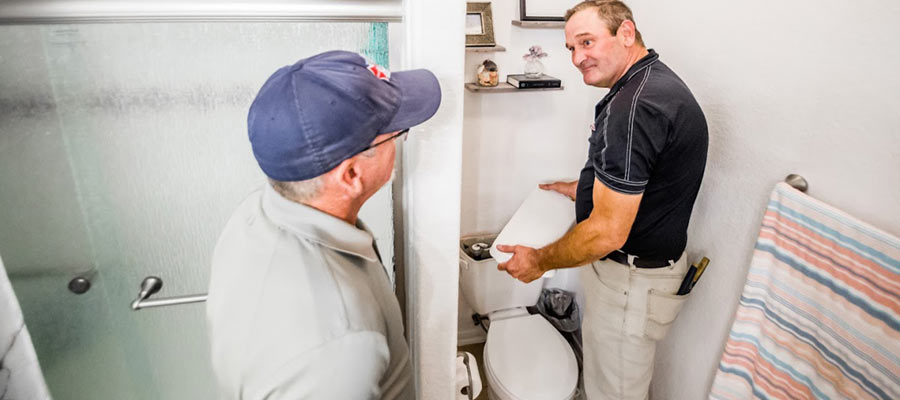
The toilet backs up. The plumber comes out. The plumber emerges with a large bundle of wipes, hair, and various other items. Hands you a bill for several hundred dollars.
Happens constantly. People flush stuff that seems fine but absolutely isn’t. This occurrence includes items such as paper towels, wet wipes, feminine products, and dental floss. Goes down easy. Doesn’t come back up easy.
Even things labeled “flushable” cause problems. The term “flushable” is a marketing term, not a plumbing term. Those wipes don’t break down like toilet paper. They sit in your pipes, catch other debris, and build into clogs that eventually stop everything.
Simple rule: pee, poop, and toilet paper. That’s it. Anything else is asking for a clogged toilet, a backed-up drain, and a plumber visit you could have avoided.
What Causes Problems
| Thing | Why It’s Bad | Repair Cost |
| Paper towels | Don’t dissolve. They are designed to maintain their strength even when wet. Clogs fast. | $150 to $500 |
| Wet wipes | “Flushable” ones aren’t. Don’t break down. Mix with grease to form solid masses. | $200 to $600 |
| Feminine products | These products are specifically designed to absorb and expand. These products are specifically designed to absorb and expand within your pipes. | $300 to $800 |
| Condoms | Flexible and durable. This product tangles around objects and causes blockages. | $250 to $700 |
| Dental floss | Wraps around everything. Creates rope-like tangles inside pipes. | $100 to $400 |
| Diapers | Expand massively. The diapers have the potential to block the entire pipe. Total disaster. | $400 to $900 |
| Medications | Contaminates water supply. Doesn’t break down. Bad for everyone. | Environmental |
The Only Rule You Need
Three P’s. Pee, poop, and paper. That’s what toilets handle. That’s what wastewater systems are designed for. Everything else goes in the trash or gets disposed of some other way.
Toilet paper is specifically made to dissolve in water. Toilet paper dissolves quickly, preventing it from clogging pipes. Nothing else you’d flush has that property.
Why Each Thing Is a Problem
Paper towels are designed to stay strong when wet. That’s literally the point of them. They are excellent for clearing up spills. Terrible for plumbing. Don’t dissolve, don’t break down, just sit there blocking flow until you’ve got a clog.
Wet wipes are the biggest problem Houston plumbers see. The package says flushable, but that’s marketing. In the real world, they don’t break down. Combine with grease and other debris into solid masses that block pipes completely. Plumbers call these fatbergs. Not pretty. Not cheap to remove.
Feminine products are made to absorb liquid and expand. They work great for their intended purpose. These products perform poorly when they are placed inside pipes. Expand when wet, block flow, and cause backups. Always use the trash. Every bathroom should have a bin for this.
Condoms are durable and stretchy. They will not disintegrate in water. Get caught on pipe joints, wrap around other debris, and create blockages. Trash. Always trash.
Dental floss seems harmless. It’s just a string, right? The string entangles itself around various objects. It combines with other debris to form rope-like tangles. One piece is nothing. Years of flushing it builds up into something serious.
Diapers should be obvious, but people try it. Modern diapers are designed to absorb massive amounts of liquid. Put one in a pipe, and it expands to block everything. When this happens, it becomes a total emergency.
Medications aren’t really a clog issue. There’s a water supply issue. Pills don’t dissolve completely. Chemicals end up in the water treatment system, where they contaminate everything. Take old meds to a pharmacy take-back program instead.
Toilet Paper vs Everything Else
| Thing | Toilet Paper | Other Stuff |
| Dissolves in water? | Yep | Nope |
| Safe for pipes? | Yep | Nope |
| Clog risk? | Low | High |
| Where it goes | Toilet | Trash bin |
Keeping Your Toilet Happy
Tell everyone in the house the rule. Kids, roommates, and guests. Three P’s only. Nobody gets to claim they didn’t know.
Put a trash bin in every bathroom. Ensure that the trash bin is small and has a lid. It simplifies the process of properly disposing of waste, as opposed to simply flushing it away due to a lack of space.
Ignore the “flushable” label on wipes. Marketing lie. They don’t break down. Use them if you want, but please throw them away afterward.
Consider a plumbing checkup every couple of years. This is particularly important for older homes in Houston. Catch buildup before it becomes a total blockage.
Take medications to a pharmacy take-back. Most pharmacies have programs. This procedure ensures that drugs do not end up in the water supply.
Houston Situation
Local plumbers report wipes as the number one clog cause. People believe the packaging. Then pay for the consequences.
Wastewater facilities here keep warning residents about what’s coming through. Wipes, feminine products, and even medications are showing up in treatment plants.
Small changes prevent big problems. Trash bin in the bathroom. Having a quick conversation with household members can be beneficial. This prevents the need for costly plumber visits.
FAQs
Can I flush facial tissues or napkins?
No. They don’t dissolve like toilet paper. They are designed to remain intact even when wet. Use the trash.
Could you please clarify if flushable wipes are safe
No. They cause clogs constantly. “Flushable” is marketing, not reality. Trash bin.
What do I do with old medications?
Take them to a pharmacy take-back program. Most pharmacies accept them. This procedure prevents them from entering the water supply.
Could dental floss potentially pose an issue?
Yeah. It wraps around debris and creates tangles. One piece isn’t much, but it builds up over time. Use the trash.
How do I prevent clogs long-term?
Three P’s rule. Trash bin in every bathroom. Skip “flushable” wipes. Maybe get a plumbing checkup every couple of years.
John Moore Services
Toilet repair and drain cleaning across Houston. When something’s clogged, we clear it out. We fix things when they break. Better yet, follow the rules above and avoid needing us in the first place.
Toilet backing up? Call (713) 730-2525 or visit JohnMooreServices.com.