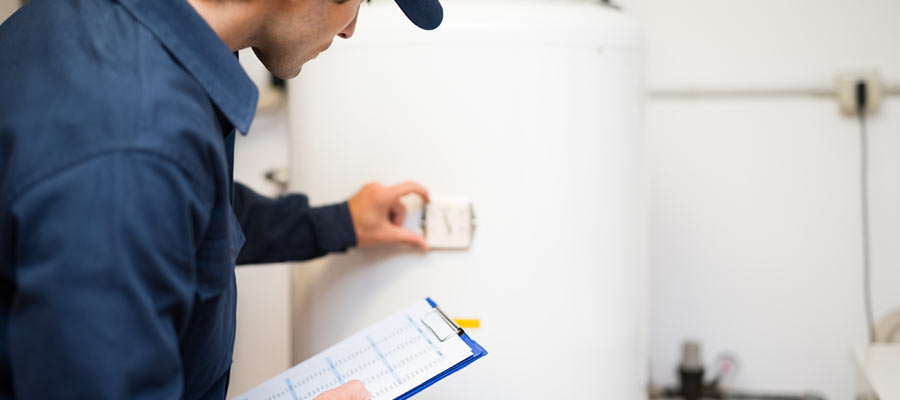
The thing finally died. Or it’s making weird noises. Rumbling. Popping. This is a phenomenon that was unheard of in the previous year. Maybe hot water runs out halfway through a shower now. It wasn’t always like that.
It’s time for a replacement. Great. But which kind? Tank or tankless? Gas or electric? What size? It feels like you need an engineering degree just to buy an appliance.
It doesn’t have to be complicated. The right choice depends on how much hot water your family actually uses, what fits in your space, and whether you care more about upfront cost or long-term savings. Here’s the breakdown.
Quick Facts
| Question | Reality |
| How long do these things last? | Tanks go 10 to 15 years. Tankless can hit 20 or more. |
| What am I going to spend? | $1,200 to $3,000 installed. Sometimes more for fancy setups. |
| Which saves on bills? | Tankless usually. Not keeping water hot when nobody’s using it. |
| Got to do maintenance? | Yeah. Flush it yearly. Houston water is brutal with these things. |
| Houston specific? | Hard water builds up sediment fast. Tanks suffer more, but both types need attention. |
Basic Difference
Two kinds. Tank style has a big insulated tank sitting in your garage or utility closet. It maintains a constant temperature of 40 or 50 gallons. Turn on the tap; hot water flows out while cold water comes in to replace it.
Tankless is different. No storage. Cold water runs through the unit, gets heated instantly by burners or coils, and comes out hot. The unit only functions when you are actually using water. The unit is designed to sit on the wall and occupies minimal space.
Both come in gas and electric. Gas heats faster but needs venting to the outside. Electric is simpler but usually costs more to run.
Tankless
Never runs out. That’s the big selling point. Take a 45-minute shower if you want. Run the dishwasher and washing machine while somebody’s bathing. Water keeps coming hot because it’s heating on demand. No tank to empty.
Bills are usually lower. You’re not paying to keep 50 gallons hot at 3am when everyone’s asleep. The system only consumes energy when the hot water is in use.
Small footprint. Mounts on wall. This system frees up the floor space that a tank would occupy. This feature is particularly beneficial for smaller homes or condos, where every square foot counts.
It also eliminates the risk of a tank bursting and flooding your garage. This eliminates the potential for a catastrophic event.
The catch is that it costs more upfront. Installation is more involved. And if too many things need hot water at the same time, the unit can struggle. You have to size it right for your household, or you’ll notice the limits. Does your household require two showers, a dishwasher, and a washing machine simultaneously? Needs a bigger unit than most people think.
Lasts longer, though. 20 years isn’t unusual with maintenance. Higher upfront costs spread over more years make the math work out.
Tank
It is less expensive to purchase and install. That’s the main advantage. With their extensive experience, plumbers are well-versed in their field. This technology is simple and reliable.
It manages simultaneous demand in a more efficient manner. This technology maintains a large reserve of hot water at all times. Is it possible to have multiple showers running simultaneously? Tank’s got plenty to give. This is possible, at least until the tank runs out.
That’s the downside, though. Can run out. A long shower followed by another long shower, maybe with the dishwasher running too. Eventually you’re waiting for more hot water. Annoying.
Higher monthly bills result from keeping water hot around the clock. In the middle of the night, nobody is using water, but gas or electricity is still being burned to maintain temperature. Adds up.
Shorter life too. 10 to 15 years and you’re probably shopping again. That lower upfront cost gets repeated sooner.
Takes up space. A 50-gallon tank is a big thing sitting in your garage or closet.
Side by Side
| Thing | Tank | Tankless |
| Upfront | Cheaper | More expensive |
| Monthly bills | Higher | Lower |
| How long it lasts | 10 to 15 years | 20 years easy |
| Run out of hot water? | Yep, eventually | Nope, keeps going |
| Space | Big tank in the garage | Small box on the wall |
Figuring Out What You Need
How many people are in the house? More people means more showers, more laundry, and more dishes. Higher demand. A big family running multiple things at once needs either a large tank water heater or a properly sized tankless water heater that won’t choke under load.
Care about efficiency? ENERGY STAR rated models meet strict standards for energy efficiency, ensuring they use less energy than non-rated models. Tankless water heaters are usually better here, but a high-efficiency tank water heater beats a basic one in terms of energy use and performance.
How long are you staying? If you’re selling in two years, a cheaper tank might make sense. Are you aiming to stay for a decade? Tankless savings add up.
Got space constraints? This applies to older Houston homes, condos, and townhomes. Sometimes there’s just nowhere suitable to put a big tank. Tankless solves that.
Houston water is rough. Minerals build up fast. Tanks suffer more, but both need flushing. Skip maintenance, and lifespan drops no matter what you buy.
Stuff That Goes Wrong
Leaking. Leaks can originate from connections, valves, or even the tank itself. Corrosion does this. Older unit, more likely. A small leak becomes a big leak if you ignore it.
There is either a lack of hot water or an inadequate supply. Burner died. The heating element quit. The thermostat is set wrong. Gas supply issue. Electric problem. The causes of these issues vary depending on the type of equipment you have.
Weird noises. Popping, rumbling, crackling. Usually sediment at the bottom gets cooked. Water trapped under the buildup boils and makes noise. Flushing helps if you catch it early. Years of buildup might be permanent.
Pilot light won’t stay lit on gas units. Dirty, clogged, thermocouple failing. Sometimes you can clean it. Often needs a pro.
Notice problems? Please have it inspected before a minor issue becomes costly.
Making It Last
Flush it once a year. This process removes the sediment that Houston water continuously deposits. This process enhances heating, minimizes noise, and alleviates stress on the tank. It’s a simple yet effective solution.
The replacement of the anode rod should occur every 3 to 5 years. A metal rod is placed inside the tank to corrode, preventing the tank walls from corroding. Once it’s used up, the tank starts rusting. A simple swap can add years to the tank’s lifespan.
Tank models come with an insulation blanket for added protection. Cuts heat loss. Lowers bills. This upgrade is inexpensive and quickly pays for itself.
Check the temperature setting. The ideal temperature is 120 degrees. Higher energy waste and scalding risk go up.
Tankless needs descaling yearly. Vinegar is flushed through the system to clear mineral buildup from the heat exchanger. This is particularly crucial given our hard water conditions.
What Changes the Price
Gas versus electric. Gas units cost more upfront and less to run. Electric is simpler to install but costs more monthly in most places.
Size matters. A bigger tank or a tankless with a higher flow rate costs more. However, undersizing can lead to problems, so do not cut corners here.
Swapping same for same is simple. Should you convert from a tank to a tankless system? It might require electrical work, new venting, and modifications to the gas line. More complexity, more cost.
Add-ons. A recirculation pump is a device that keeps hot water circulating in the plumbing system, ensuring that hot water arrives quickly at distant fixtures. Smart leak sensors. Expansion tank. The addition of these features to the bill is a nice touch.
What’s Happening in Houston
Energy prices are going up, pushing more folks toward tankless. Upfront hurts, but monthly savings add up over years.
Hard water is making maintenance unavoidable. Skip the annual flush here and you’re cutting lifespan significantly.
Recirculation pumps are getting popular. Nobody wants to run the tap for five minutes waiting for hot water to arrive at a distant bathroom.
Smart leak detection is showing up more. A small sensor is designed to notify your phone before a leak escalates into a flood. Peace of mind.
FAQs
How long should mine last?
Tanks last 10 to 15 years, typically. Tankless can last 20 years with proper care. Houston water shortens both if you skip maintenance.
Repair or replace?
Is the tank itself leaking? Rusty water? Temperatures all over the place on an old unit? Probably replace time. Putting money into something that’s failing anyway doesn’t pay off.
Tankless needs maintenance too?
Yep. Annual descaling. Minerals clog the heat exchanger. Skip it, and efficiency drops; life shortens.
Can I install it myself?
Risky move. There are potential risks such as code violations, gas leaks, and flooding. A licensed plumber sizes it right, vents it properly, and does it safely. Worth it.
Gas or electric?
Gas heats faster and costs less to run in most places. Electric is simpler and easier to maintain. The choice ultimately depends on the available resources and your priorities.
John Moore Services
John Moore Services provides water heater installation and repair services throughout Houston. Help pick the right one, get it installed properly, and keep it running. John Moore Services also offers services such as tank swaps, tankless conversions, and emergency leak repairs when an issue arises.
Hot water running out? Old unit acting weird? Call (713) 730-2525 or visit JohnMooreServices.com.