When you turn off the faucets, the pipes bang loudly. The faucets continue to drip persistently, even after being fixed. The water heater is making noises it never made before. Appliances are wearing out faster than they should.
Your water pressure could potentially be the root cause of the issue. If your water pressure is excessively high, it is slowly causing damage to your plumbing from the inside out. Excessive water pressure strains joints, erodes seals, and generates leaks that remain undetected until they cause significant damage.
Houston’s municipal pressure fluctuates a lot. Infrastructure aging, seasonal demand, and new development are changing the system. The pressure entering your house may exceed the capacity of your pipes.
A water pressure regulator fixes that. The regulator is installed at the point where the main line enters your house, ensuring that the pressure remains at a safe level. Most people don’t know they need one until something breaks. Here’s what it does and why it matters.
Quick Facts
| Question | Reality |
| How long do these last? | 7 to 12 years. Water quality affects lifespan. |
| What’s the installation cost? | $250 to $600 in Houston. This depends on the accessibility and the condition of the pipes. |
| What’s normal pressure? | 40 to 60 PSI for most homes. Above 80 starts causing damage. |
| Houston thing? | Rapid development keeps changing pressure in expanding neighborhoods. The municipal system fluctuates more here. |
What a Pressure Regulator Actually Does
A pressure regulator is a mechanical device that is installed where the main water line enters your house. It is also referred to as a pressure-reducing valve, or PRV. One job: keep the pressure at a safe, consistent level throughout your plumbing.
Without one, whatever pressure the city sends is what your pipes get. It could be 80, 90, or even over 100 PSI (pounds per square inch) on bad days. Most residential plumbing is designed for 40 to 60. There’s a big difference between what you’re getting and what your system can handle.
The regulator brings that down to safe levels. The regulator is adjustable, allowing you to fine-tune it as needed. The regulator safeguards all downstream components from high pressure.
Why High Pressure Is Bad
Pipe joints and fittings are under constant stress. Eventually they loosen, crack, or develop pinhole leaks. This accelerated wear shortens the life of everything in your plumbing system.
Appliances suffer too. This includes appliances such as water heaters, dishwashers, washing machines, and ice makers. All have internal seals and valves that wear out faster when pressure is too high. This can lead to the premature replacement of appliances.
Water hammer. Turning off a faucet causes a loud banging sound. When water flow suddenly stops, pressure waves slam through the pipes. Over time, the pressure waves cause damage to joints and connections.
High pressure pushes more gallons per minute than you actually need, leading to water waste. Bills go up even though you’re not using more water intentionally.
The internal parts of dripping faucets and running toilets cannot withstand excessive pressure. Fix them, and they start dripping again because the underlying cause is still there.
Why Low Pressure Is Also Bad
Toilets take forever to fill. Showers feel weak. The dishwasher doesn’t clean properly. The irrigation system barely works.
Sometimes low pressure is sediment buildup in pipes. Sometimes it’s old failing pipes. Sometimes it’s a regulator that stopped working right.
Either extreme causes problems. Too high damages things. Too low makes everything frustrating. Proper regulation maintains the pressure at the ideal level.
Signs You Need One
The pressure fluctuates erratically. The flow is strong one minute and weak the next. The municipal system is sending inconsistent pressure, and you’re getting all of it.
The pipes become noisy when the fixtures are turned off. The walls are being hammered by the force of the water. Pressure is too high, and waves are slamming through the system.
No matter how many times you fix them, faucets and toilets continue to leak. Seals can’t hold against the pressure. The problem will keep coming back.
Appliances require frequent repairs. Water heater failing early. Washing machine seals are going bad. The dishwasher is acting up. High pressure is wearing everything out.
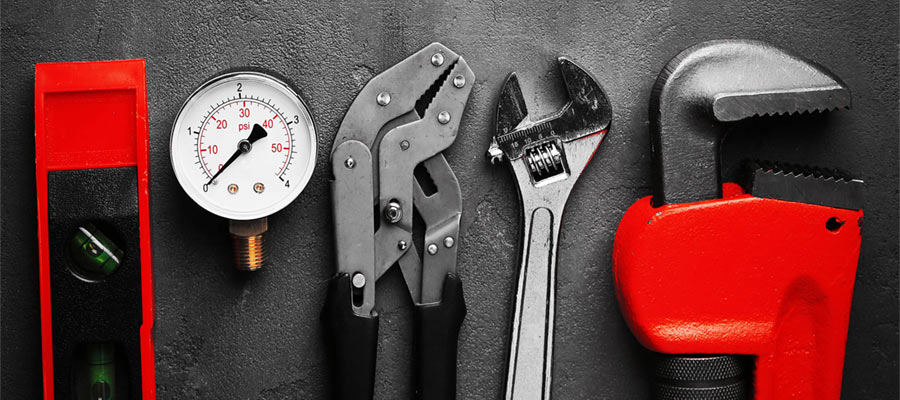
A simple pressure gauge test confirms what’s happening. Attach to the outdoor spigot, and check the reading. If the reading exceeds 80 PSI, it indicates a potential issue.
DIY or Professional
DIY saves on labor costs if you know what you’re doing. Full control over timing. But working on the main water line isn’t like changing a faucet.
Incorrect adjustment can damage your plumbing. Too low and nothing works right. If you adjust it too high, you won’t be able to solve any problems.
Wrong placement causes system imbalance. Install it in the wrong spot, and pressure varies throughout the house.
If something goes wrong during the installation process, there is a risk of flooding. It should be connected directly to the main supply to prevent any issues. One mistake and you’ve got a lot of water coming in fast.
Improper pressure settings can void appliance warranties. The manufacturer states that the maximum is 60 PSI; if it is set incorrectly, the warranty claim will be denied.
A professional knows how to calculate PSI requirements for your specific home. Understands municipal variations in Houston. Ensures code compliance. Guarantees the work.
Mistakes That Cause Problems
Over-tightening fittings. Cracks the connections. Creates leaks right at the regulator.
It is crucial to select the appropriate regulator for your system. Size matters. Flow rate matters. An incompatible unit doesn’t regulate properly.
The PSI (pounds per square inch) is not tested after installation. Assume it’s set right, and never verify. The PSI could have been set incorrectly all along.
Installing it in an inaccessible spot is a common mistake. It may need to be adjusted later or eventually replaced. It cannot be accessed without significant work.
These mistakes mean expensive repairs or emergency flooding later.
Regulator vs Expansion Tank
| Thing | Pressure Regulator | Expansion Tank |
| Controls incoming pressure | Yes | No |
| Absorbs thermal pressure | No | Yes |
| Whole-home protection | Primary | Supplemental |
| Protects appliances | Yes | Yes |
Different jobs. The regulator handles incoming pressure from the street. The expansion tank handles thermal expansion when water heats up. Homes with closed systems often benefit from both.
What Affects Cost
Pipe accessibility is the big one. Easy access near the main shutoff is simple. Buried or behind walls takes more work.
The condition of the pipes and the age of the home also play a significant role. Older pipes might need additional fittings. Outdated configurations from before the late 80s can complicate things.
Water heater type affects the system. Some setups need expansion tanks installed at the same time. In certain situations, additional code requirements may apply.
Regulator quality grade. Cheap ones work but don’t last. Better quality units last longer and regulate more precisely.
Houston Situation
Rapid suburban growth keeps changing municipal pressure. New development connects to the system; pressure fluctuates in surrounding neighborhoods.
Seasonal demand swings worsen it. Summer irrigation increases usage across the system. Pressure spikes when demand drops at night.
More homeowners are installing regulators proactively now. Prevention is way cheaper than replacing pipes and appliances early.
FAQs
How often should a regulator be replaced?
A regulator should be replaced every 7 to 12 years, depending on the water hardness and sediment levels. Hard water areas like Houston wear them out faster.
What PSI is too high?
Anything over 80 PSI risks pipe damage and accelerated wear. Most homes should be 50 to 60.
Can a failing regulator cause low pressure?
Yes. Internal parts deteriorate and pressure output drops. What used to regulate properly now restricts flow.
Does every home need one?
Most Houston homes benefit from one. Municipal pressure varies enough that protection makes sense for most situations.
Can I adjust it myself?
Small adjustments are possible. But wrong settings can void appliance warranties or cause other problems. It is advisable to set the water pressure regulator correctly from the start.
John Moore Services
John Moore Services provides water pressure regulator installation and service throughout Houston. Diagnose your PSI (pounds per square inch), install the right regulator, adjust it properly, and guarantee the work. Our licensed plumbers possess a comprehensive understanding of the local conditions.
Pipes banging? Faucets dripping constantly? Call (713) 730-2525 or visit JohnMooreServices.com.