The water bill came in way higher than usual. Can’t figure out why. Nobody’s using more water. Everything looks normal. But somewhere in the house, water is escaping.
Or maybe you hear water running when everything is off. There may be a faint sound coming from behind a wall or beneath the floor. Something is definitely leaking, but you can’t see where.
Hidden leaks are tricky. You can’t fix what you can’t see. And while you’re trying to figure it out, water keeps escaping. Damage keeps accumulating. Bill keeps climbing.
Professional leak detection finds the exact spot without tearing your house apart. Here’s how it works and why it matters in Houston.
Quick Facts
| Question | Reality |
| What’s detection going to cost? | $150 to $500 for professional detection. Compared to guesswork, the cost of professional detection is worth it. |
| Where do leaks happen? | Leaks can occur in areas such as toilets, slab pipes, water heaters, and pipe joints. Leaks can occur in areas that are not readily visible. |
| How much water gets wasted? | The EPA states that each home can use up to 10,000 gallons of water per year. Even a dripping faucet wastes 3,000 gallons. |
| Houston thing? | Humidity makes leak damage worse faster. Many neighborhoods still feature older plumbing systems. Shifting clay soil stresses pipes. |
Why This Matters
Hidden leaks do real damage while you’re trying to find them. Water seeps into walls, floors, and the foundation. Mold is starting to grow in all that moisture. Structural damage accumulating behind surfaces you can’t see.
Houston’s humidity worsens it. A leak creates moisture; humidity prevents it from drying; mold takes hold fast. Unhealthy air. This can lead to allergies and respiratory issues for those residing in the area.
The water bill keeps climbing the whole time. You are paying for water that disappears into your walls or the ground. This waste manifests itself in the form of monthly bills.
Finding the leak early stops all of that. Repair before the damage spreads. Stop paying for water that’s not going to faucets. Keep mold from getting started.
How Professional Detection Works
Acoustic listening devices pick up sounds of water escaping under pressure. Even through concrete and walls, these devices can detect the sounds of water escaping under pressure. A trained ear with the right equipment can hear exactly where water is moving.
Thermal imaging cameras show temperature differences caused by moisture. Wet areas are cooler. The camera picks up the pattern and shows exactly where water has spread.
Video pipe inspection sends a camera through the plumbing. See cracks, corrosion, and root intrusion from inside. Know what’s actually happening in the pipe.
Moisture meters measure dampness in hidden areas. Walls, floors, cabinets. Detect water that’s not visible on the surface.
All of this finds the leak without cutting holes randomly hoping to get lucky. Know exactly where the problem is before any repair work starts.
Warning Signs
The water bill spiked unexpectedly. Usage is the same, but you’re paying way more. Water is finding its way to places other than the fixtures you’re using.
Damp or discolored spots on walls and ceilings. Water stains appear where they weren’t previously present. Paint bubbling. Wallpaper peeling. Moisture seeps into the building materials.
You may notice the presence of mold or a musty odor that is difficult to identify. I can smell it but cannot find the source. You can’t see the mold because it’s hidden somewhere.
Water pressure dropped for no reason. The flow of water from faucets and showers has decreased. Water leaks out before it reaches the fixtures.
The sound of water running is audible even when no one is using it. The house is quiet, but you can hear a flow somewhere behind the walls or under the floors.
If any of these show up, get a leak detection done. The sooner you find it, the less damage you’re dealing with.
DIY vs Professional
You are welcome to try handling basic tasks on your own. Watch the water meter for an hour when nobody’s using water. Number changed? Something’s leaking somewhere. Please add a few drops of food coloring to the toilet tank and wait. Color in the bowl without flushing means the flapper is leaking.
These methods find simple, obvious leaks. Toilet running. Faucet dripping. Easy problems.
But complex leaks and underground issues? Can’t find those yourself. Need equipment you don’t have. These are skills that require years to develop. Trying to DIY means guessing, cutting holes in walls hoping to find it, and possibly making things worse.
Professional detection gives accurate results without guesswork. Professional detection results in less property damage, as they have precise knowledge of where to look. Professional detection speeds up repairs by eliminating the need for time-consuming searches. Lower overall cost than repeated DIY attempts that don’t work.
What to Expect
The initial assessment reviews your water usage and visible plumbing. Could you please let us know where you have noticed signs of a problem? What changed recently? Ensuring a comprehensive understanding of the situation is crucial before initiating any testing.
We are conducting advanced testing using noninvasive tools. We are using non-invasive tools such as acoustic equipment, thermal cameras, and moisture meters. We are able to locate leaks behind walls and under floors without the need for any physical openings.
We have precisely located leak confirmation documents. We pinpoint the location of the leak, identify its cause, and assess the extent of the damage. This information provides clear guidance for making informed decisions.
Repair options discussed. Please proceed with the repair immediately if it is straightforward. Schedule a larger repair if more work is needed. Please ensure you understand the situation in either case.
The final check after repair confirms the system is leak-free. Test everything again to make sure the problem is actually solved.
What Affects Cost
Leak accessibility matters. Behind an open wall is simpler than under a concrete slab. Underground leaks require more time and equipment.
Plumbing material type affects approach. Copper, a type of metal piping, behaves differently than PVC (polyvinyl chloride) or PEX (cross-linked polyethylene), which are both types of plastic piping. Detection methods vary.
The time spent on labor and the technology employed also differ. A complex search with multiple tools takes longer than a simple check.
The severity and location of the damage also play a significant role. More affected areas means more inspection needed.
Most Houston detection runs cost $150 to $500. Repair is separate, but knowing exactly where the problem is makes that cheaper too.
Why Houston Homes Need This
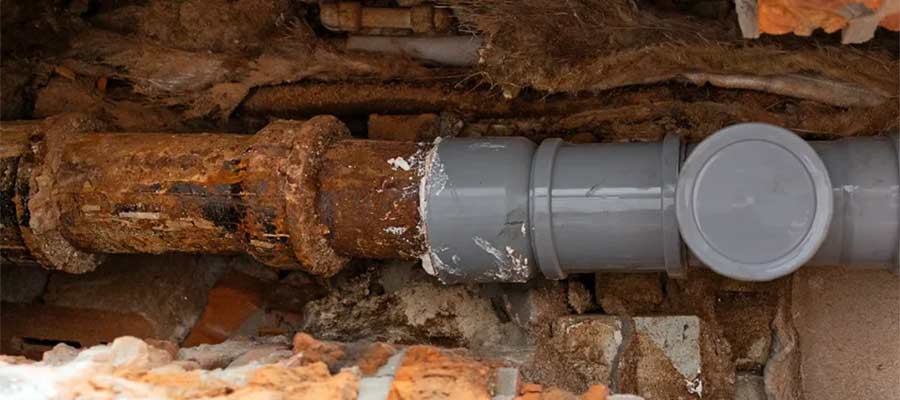
Many neighborhoods are plagued by older plumbing. Pipes from the 60s and 70s are reaching the end of their life. Joints are wearing out, corrosion is spreading, and connections are failing.
High humidity means leak damage escalates fast. Mold loves Houston conditions. Moisture that would dry out in other climates stays wet here.
Shifting clay soil stresses everything underground. Pipes under the slab get pushed and pulled constantly. Slab leaks are way more common here than other places.
Homes older than 20 should have regular inspections. Catch problems before they become emergencies. Prevention costs less than repair.
FAQs
How can I tell if I have a leak?
The water bill spiked for no reason. Damp spots appearing. The sound of water is audible even when it’s not in use. You are unable to detect the musty smell.
Is professional detection worth it?
Yes. Professional detection pinpoints the precise issue without any uncertainty. This approach helps to prevent structural damage and mold growth. It reduces repair costs by pinpointing the precise location of the issue.
Can leaks cause health problems?
Definitely. Moisture leads to mold. Mold triggers allergies, respiratory issues, and headaches. It gets worse the longer it continues.
How often should I get an inspection?
An inspection should be performed at least every couple of years. You should schedule an inspection sooner if you notice any changes in pressure or spikes in your bills. Older homes need it more often.
Does insurance cover leak repairs?
Depends on your policy. Sudden or accidental leaks are often covered. Slow leaks from neglect usually aren’t. Check yours.
John Moore Services
John Moore Services provides professional leak detection services throughout Houston. John Moore Services uses non-invasive tools to identify problems without the need to tear apart walls. Our team of licensed plumbers is well-versed in identifying potential leaks.
Bill went up? Hear water running? Call (713) 730-2525 or visit JohnMooreServices.com.