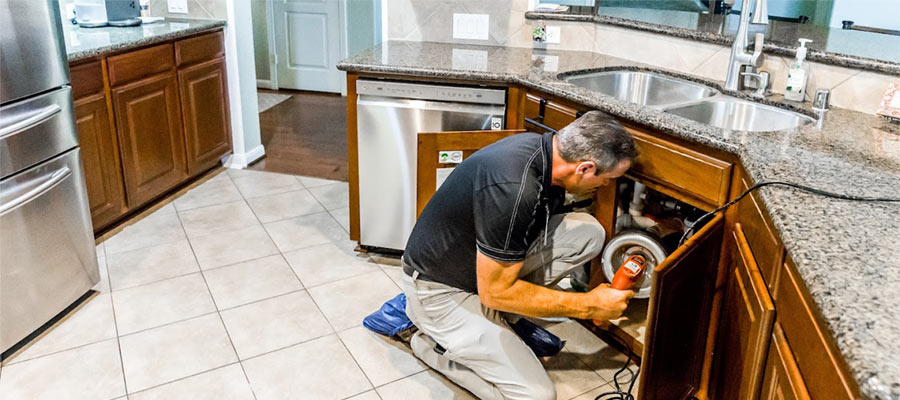
Water sits in the sink instead of draining. Or it drains so slowly you’re standing there waiting. When you brush your teeth, the water tends to pool. Do dishes, water rises. It gets worse over time until nothing goes down at all.
The issue appears to be a minor one. Just a clogged drain. But clogs don’t stay small. Water backing up puts pressure on pipes. Slow drainage means stuff is accumulating down there. What starts as annoying becomes actual plumbing damage if you let it go.
Houston’s hard water worsens this. Minerals build up inside pipes, catch debris, and narrow the opening over time. Common problem here.
Here’s what causes sink clogs, when you can fix them yourself, and when you need somebody who knows what they’re doing.
Quick Facts
| Question | Reality |
| How long do drain systems last? | 50+ years if you maintain them. The lifespan may be shortened if you overlook issues. |
| Could you please provide the cost for unclogging | $150 to $450 in Houston depending on how awful it is. |
| Emergency service? | Add $75 to $150 for after-hours or weekend calls. |
| What causes most clogs? | Grease, hair, soap scum, and food scraps. The usual suspects. |
| Houston thing? | Hard water here. Scale builds up inside pipes and catches everything that flows through them. |
Why a Clogged Sink Isn’t Just Annoying
Seems minor. Water drains slowly. Big deal, right? But that slow drain is telling you something is building up in the pipe.
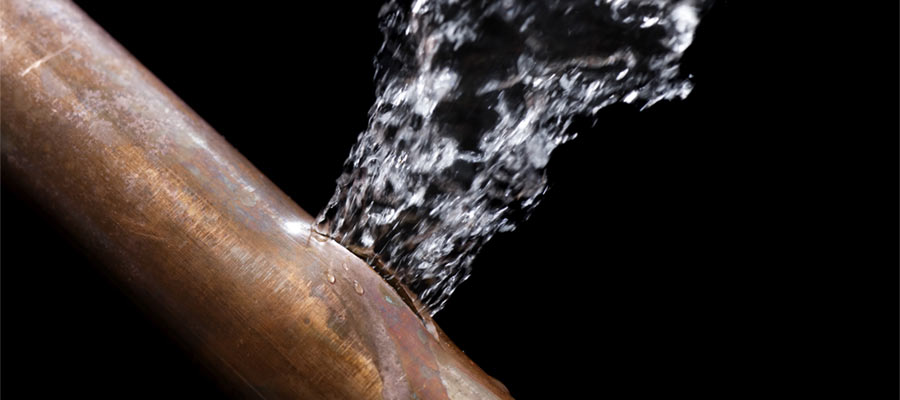
Drainage slows throughout the system. Pressure increases inside pipes as water backs up. That pressure stresses joints and connections. Older pipes start to corrode faster. Eventually things leak or burst.
Water sitting in pipes breeds bacteria. Mold and mildew start growing. Standing water in the sink gets gross fast.
Ignore it long enough, and what started as slow drainage becomes water damage in your walls and cabinets. A small problem becomes an expensive repair.
How Clogs Form
Grease is the biggest culprit. Grease transforms into a liquid at high temperatures and solidifies upon cooling. Sticks to pipe walls. It captures all other particles that pass through it.
Hair binds with soap scum and creates these nasty clumps. Bathroom sinks especially. Bathroom sinks tend to collect more hair and soap residue, which contributes to their continuous growth.
Food debris, which is not supposed to go down the drain, does. This includes coffee grounds, rice, and pasta. Water causes these materials to expand and pack together.
Houston’s mineral-rich water leaves calcium deposits inside pipes. Scale builds up layer by layer. Narrows the opening. Even small debris starts getting caught.
Unexpected items inadvertently fall into the void. These items include jewelry, caps, and small objects. It remains stationary, capturing everything that passes by.
All this accumulates over time. Flow gets restricted until water barely moves or stops completely.
DIY vs Professional
Some clogs you can handle yourself. Surface stuff. A plunger works on shallow blockages. Hot water can melt some grease. Mild drain cleaner dissolves soap buildup.
But deeper clogs stay hidden. Water drains a little faster after DIY, but the real blockage is still down there. Grows back worse.
DIY goes wrong in a few common ways. Those chemical drain cleaners? Eat at pipe walls. Excessive use in older Houston homes may lead to leaks. It’s also possible to create leaks beneath the slab.
If you force a drain snake in too hard, you can scratch the pipe interiors or push the clog deeper. Now it’s harder to reach, and you’ve damaged the pipe.
Ignore early warning signs, the clog keeps building, and eventually you’re dealing with a much bigger problem than you started with.
A professional has the right tools. Motorized drain snakes that go way deeper. The hydro-jetting process effectively clears all debris from the drain. The system incorporates a video camera to provide a clear view of the internal processes. This method effectively removes clogs without causing damage to pipes, thereby preventing the recurrence of issues.
Pros vs. Chemical Cleaners
| Option | Good | Bad |
| Chemical cleaners | Cheap and fast | Corrodes pipes, toxic fumes, temporary fix |
| DIY snaking | Gets surface clogs | Can scratch pipe, push clog deeper |
| Professional service | Safe, lasting, finds real problem | Costs more upfront |
Professional service costs more initially but is usually cheaper long-term. No pipe damage, no repeat clogs, and it actually fixes the problem.
The Real Problem Might Be Deeper
A clogged sink is often a symptom. The underlying issue could be a completely different one.
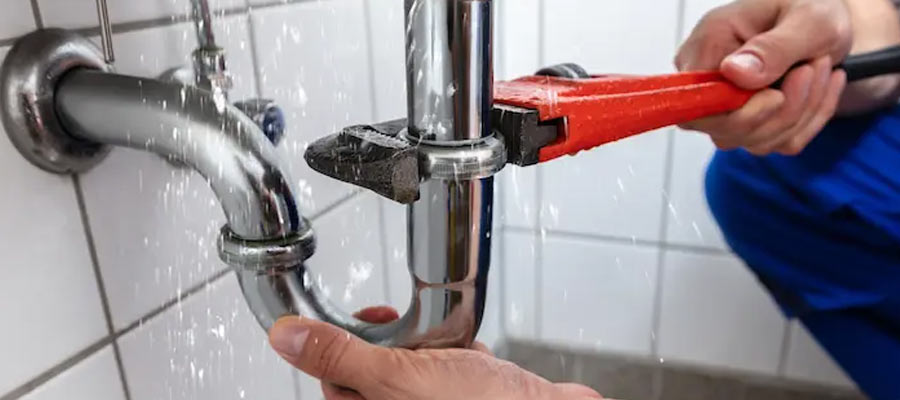
P-trap failing. The P-trap refers to the curved section located beneath the sink. The P-trap is designed to hold water and block sewer gases. When it corrodes or becomes clogged, the drain ceases to function properly.
Main sewer line blocked. The problem isn’t in the sink at all. It’s deeper in the system. The sink backs up because the whole line is restricted.
There is a collapsed pipe section that is hidden from view. The old pipe failed underground or behind a wall.
Hardwater scales throughout the system. The problem is not limited to a single clog but rather a buildup that narrows all your pipes.
Treat the symptom without finding the cause, and the problem keeps coming back. A professional figures out what’s actually happening.
What Professionals Actually Do
Clear the whole pipe interior, not just punch through the blockage. Remove buildup along the entire length so it doesn’t re-form immediately.
Use equipment that goes deep without damaging pipes. Motorized snakes reach way further than handheld ones. Hydro-jetting blasts scale and grease off pipe walls.
Camera inspection shows exactly what’s in there. Find hidden leaks, see pipe conditions, and identify the real problem. No guessing.
Check water pressure, look at fixture condition, and evaluate pipe material while they’re there. Catch other problems before they become emergencies.
Warranty on the work. When the problem comes back, they come back. This does not apply to DIY projects.
What Affects Cost
The type of clog matters. Grease hardened in the pipe takes more work than soap scum.
Location in the line. Blockage deep in the system needs specialized equipment to reach. Surface clogs are simpler.
Home age factors in. Older Houston neighborhoods often have narrower pipes, trickier configurations, and harder access.
Houston’s hard water means more scale buildup. Increased friction in the pipes makes clogs form more easily and requires more effort to clear them completely.
The sink type can complicate things. Undermount and farmhouse sinks sometimes have drain configurations that are harder to work with.
How Professional Repair Works
Start with visual evaluation. How is the drain behaving? What’s accessible? Where might the problem be?
Camera inspection if needed. See exactly where the blockage is and what’s causing it. It is important to understand the situation before taking any action.
Use snaking or hydro-jetting techniques to remove the blockage. Safely dislodge and flush debris without damaging the pipe.
Clean the pipe interior to prevent recurrence. Remove buildup that would just catch debris again.
System review while they’re there. Check for leaks, corrosion, and pressure issues. Anything else developing?
The final test confirms proper flow. Trap seal working. Everything is draining like it should.
Preventing Future Clogs
Mesh drain catchers stop hair and debris before it goes down. A dollar store solution can prevent costly problems.
Never put grease down the sink. Wipe pans with paper towels first. Throw grease in the trash, not the drain.
Run hot water after using the sink. This practice aids in the removal of solid waste before it solidifies.
Skip the coffee grounds and starchy foods. Garbage disposal doesn’t mean everything should go down there.
Annual drain maintenance catches buildup before it becomes a clog. Professional cleaning once a year keeps things flowing.
FAQs
What is the recommended timeframe for addressing a slow drain?
Right away. Slow drain means something is building up. It gets worse if you wait.
Are chemical drain cleaners safe?
Occasionally, they might be safe. Frequently? No. It weakens pipe walls over time. This is particularly detrimental to older pipes.
Can a clogged sink make you sick?
Standing water grows bacteria and mold. If the water remains stagnant for an extended period, it can be detrimental to your health.
How long does professional repair take?
Most jobs are done in 60 to 90 minutes. This depends on the depth of the problem.
What if the clog keeps coming back?
Recurring clogs usually mean something deeper is wrong. This could be due to pipe deterioration or issues with the sewer line. Need a professional diagnosis.
John Moore Services
John Moore Services offers comprehensive clogged sink repair services throughout Houston. Our services include advanced tools, camera inspection, and hydro-jetting. Actually fix the problem, not just punch through it temporarily.
Is your sink draining slowly or not at all? Call (713) 730-2525 or visit JohnMooreServices.com.