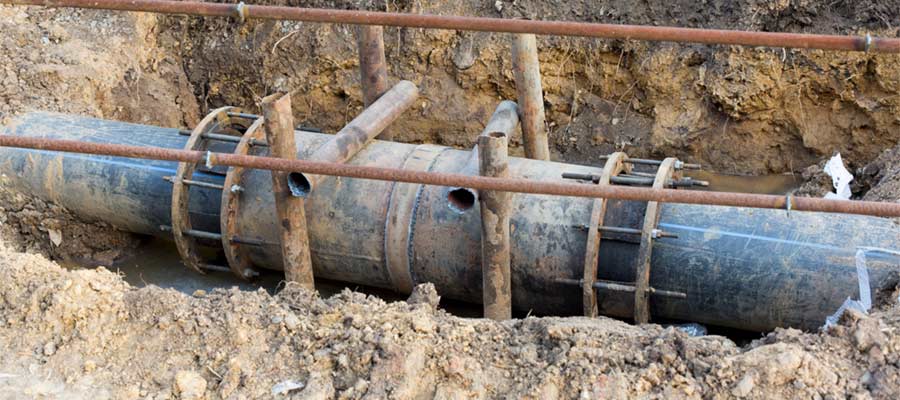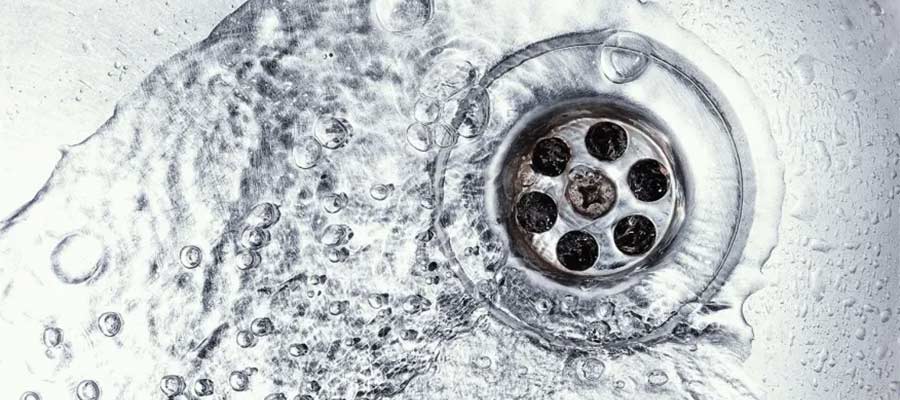
Every drain in your house connects to one pipe. Main sewer line. The main sewer line extends from your house to the city sewer. Everything you flush, everything that goes down a sink—all of it flows through that one line.
When that line has problems, the whole house has them. Toilets backing up. The clogging of multiple drains occurs simultaneously. Sewage smell you can’t track down. Eventually actual sewage came back up into tubs and floor drains.
Not a fun situation. And Houston homes deal with this more than most places. The constant shifting of clay soil, the constant search for water by tree roots, and the presence of decades-old pipes in the ground are all contributing factors. Main sewer line issues are pretty common here.
Here’s what causes these problems, how to spot them early, and what repair actually involves.
Quick Facts
| Question | Reality |
| How long do sewer lines last? | The lifespan of these items ranges from 50 to 100 years, depending on their materials. Older materials fail sooner. |
| What’s the repair going to cost? | $2,500 to $9,000 or more. The cost is contingent upon the depth, accessibility, and duration of the damage. |
| What causes problems here? | The problems include shifting clay soil, tree roots infiltrating the area, and corrosion of old cast iron systems. |
| How long does repair take? | 1 to 3 days usually. The duration of the repair depends on the severity of the issue. |
| Prevention? | Annual camera inspection and hydrojet cleaning catch stuff before it gets serious. |
Why This Matters
The main sewer line handles everything. Every flush of the toilet, every shower drain, every sink, washing machine, and dishwasher are all handled by the main sewer line. All of it goes through that one pipe on its way out of your house.
Damage, cracks, or blockages cause the entire plumbing system to malfunction. Wastewater has nowhere to go. Wastewater finds its way to the lowest point in the plumbing system. The lowest points in the plumbing system are the tubs, toilets, and floor drains. Sewage is actually coming into your living space.
Health hazard, obviously. Raw sewage carries bacteria and parasites. But it also damages property, contaminates soil, and can affect groundwater. It gets expensive fast if you let it go.
Professional repair gets wastewater flowing again, prevents contamination, protects property value, and avoids all the moisture damage that comes with sewage backup.
Signs Something’s Wrong
There could be multiple drains malfunctioning simultaneously. One slow drain is probably just that drain. Are multiple drains in different parts of the house all slowing down or backing up? That’s the main line.
Toilets and sinks are emitting gurgling sounds. Air pockets are forming in the sewer line because something’s blocking normal flow. The sound of bubbling occurs when other fixtures drain.
Sewer smell inside or outside the house. The smell of wastewater is escaping through a crack or break in the house. The smell is so strong that it’s impossible to ignore.
There are damp patches in the yard. Sunken areas. In one particular patch, the grass is growing exceptionally green. The pipe is leaking underground, and sewage is fertilizing that spot.
Sewage backing up into floor drains. Basement, laundry room, garage. When the main line can’t handle flow, it hits the lowest drains first.
Notice any of this? Please consider scheduling an inspection to prevent any potential emergencies.
What Happens If You Ignore It
Gets worse. Always gets worse. A small crack becomes a big crack. Partial blockage becomes total blockage. Backups go from occasional to constant.
Foundation can be affected. The soil underneath is saturated with water. The earth shifts and settles unevenly. The foundation itself is forming cracks.
Mold grows anywhere there’s moisture. Sewage backup creates exactly the conditions mold loves. Mold spreads behind walls, negatively impacts air quality, and causes illnesses in people.
Soil erosion around the pipe. Groundwater gets contaminated. Pipe fractures get worse from water pressure and soil movement.
The longer you wait, the deeper the excavation and the higher the repair cost. What could have been fixed for a few thousand becomes a five-figure project.
This Isn’t a DIY Job
The short answer is no. It is advisable not to attempt repairing your main sewer line on your own.
Confined space safety is a real thing. Pressurized equipment can cause injury if not handled properly. There is raw sewage all over the place, posing health hazards.
Code compliance matters too. Work has to meet municipal standards. Do it wrong and you’re looking at fines plus having to redo everything properly.
Specialized diagnostic equipment. Camera inspection, pressure testing. Without specialized diagnostic equipment, one cannot accurately diagnose the underlying issue. Misdiagnosis means fixing the wrong thing while the real issue keeps getting worse.
Licensed plumbers follow the rules designed to protect public health. This is one of those jobs where “professional” really does mean something.
How Professionals Handle It
Camera inspection first. A small camera goes through the line and shows exactly what’s happening. Cracks, blockages, root intrusion, and collapsed sections are all visible. Identify the issue before proceeding with any actions.
Hydro jetting clears debris. High-pressure water blasts through grease, roots, and scale buildup. This process restores the flow of the line and paves the way for future repairs.
Repair depends on what the camera showed. Patch a damaged section if it’s localized. Replace the whole line if damage is extensive. If the situation permits, consider trenchless methods. Each case is different.
Post-repair testing confirms everything is sealed and working. Pressure test, camera inspection. Ensure that the fix has actually resolved the issue.
Houston Conditions
Clay soil everywhere. The soil expands when wet and shrinks when it becomes dry. That cycle happens continuously here. This constant cycle puts stress on underground pipes year after year, eventually leading to cracks.
Tree roots are aggressive. Houston is known for its large trees such as live oaks and magnolias. Root systems spread out looking for moisture. Find a tiny crack in a sewer pipe and they’re in. Grow and expand until they’re blocking the whole line.
Older neighborhoods have older pipes. Cast iron from decades ago. Orangeburg pipe that should have been replaced years ago. The clay tile exhibits signs of cracking and separation. Materials that were fine when installed but have reached the end of their lifespan.
Seasonal rainfall adds pressure. Wet seasons saturate soil around pipes. Heavy rain after dry spells causes rapid expansion. This puts additional strain on systems that are already aging.
Excavation vs Trenchless
| Thing | Dig It Up | Trenchless |
| Yard damage | A lot | Barely any |
| Time | Takes longer | Faster |
| Cost | Moderate-plus restoration | Moderate to higher |
| Lifespan | 50 to 100 years | 50+ years |
| Noise | Heavy equipment for days | Way less |
Most people prefer trenchless when it’s an option. Less disruption, faster completion, and the driveway and landscaping stay intact.
What Affects Cost
How deep the pipe is matters a lot. Deeper means more work to access it.
Soil type affects difficulty. Clay is harder to work with than sandy soil.
The length of damage changes the scope. Small section repair costs less than replacing the whole line.
Access matters. Under the slab is harder and more expensive than through the yard.
Root removal adds complexity. Big root intrusion takes more work to clear.
Permits are required depending on scope and location. This adds to the overall cost.
Prevention
Annual camera inspection catches stuff early. Cracks are forming, buildup is accumulating, and roots are beginning to intrude. Fix it before it becomes a major repair.
Don’t put grease down drains. Grease solidifies inside pipes, catches debris, and builds up over time until it becomes a blockage.
Root barriers stop trees from reaching your sewer line. Consider installing root barriers if you have large trees close to the pipe path.
Professional drain cleaning goes deeper than a snake. Hydro jetting clears buildup a regular snake can’t touch.
Keep heavy vehicles off the sewer line path. Weight compresses pipes over time.
FAQs
How long does main sewer line repair take?
Most jobs typically take one to three days to complete. Depends on the excavation needed and how long the damaged section runs.
Does insurance cover this?
Varies by policy. Damage from neglect usually isn’t covered. Check yours before assuming either way.
Is it possible for tree roots to damage sewer lines?
Absolutely. Tree roots are a major contributor to blockages and cracks in sewer lines. Roots find their way into the smallest openings and grow from there.
How long do sewer lines last?
Modern materials last 50 to 100 years. Older materials less. The longevity of modern materials also depends on the quality of the installation and the state of the soil.
How often should I get an inspection?
One year is smart. If you notice slow drains, smells, or gurgling, you should promptly schedule an inspection. Catches problems early.
John Moore Services
John Moore Services provides diagnostic and repair services for main sewer lines throughout Houston. We offer services such as camera inspection, hydro jetting, and trenchless options. We have decades of experience dealing with local conditions.
Are you experiencing issues with backups, odors, or multiple drains? Call (713) 730-2525 or visit JohnMooreServices.com.