The water bill spiked for no reason. Hear water running when nothing’s on. There appears to be a warm spot on the floor. Something weird is going on, but you can’t see anything wrong.
The issue could potentially be a leak in the slab. The pipe under your foundation cracked or corroded, and now water is seeping into the ground beneath your house. You can’t see it because it’s hidden beneath the concrete. But the damage is happening whether you can see it or not.
Houston homes deal with this more than most places. Clay soil expands and contracts constantly, putting stress on everything buried underground. Pipes that have been down there for decades eventually give out.
Catching it early matters. A small leak can lead to foundation damage later. Here’s what causes slab leaks, how to spot them, and what fixing one actually involves.
Quick Facts
| Question | Reality |
| What’s the repair going to cost? | $1,800 to $6,000 in Houston. The cost is contingent upon the location and severity of the damage. |
| How long do pipes under slabs last? | 30 to 50 years depending on the material and how much the soil moves. |
| How long to find it? | 1 to 3 hours with the right equipment. No guessing. |
| Houston thing? | Clay soil expands when wet and shrinks when dry. Constant stress on pipes. This results in a significantly higher frequency of slab leaks. |
What a Slab Leak Actually Is
Your house sits on a concrete slab. Under that slab are water pipes running to different parts of the house. Been there since the place was built, under constant pressure, surrounded by soil that shifts around.
Eventually something gives. Pipe corrodes, cracks, and develops a pinhole. Water starts leaking into the soil under your foundation. Can’t see it because it’s buried under concrete. But water is constantly escaping.
Left alone, it gets worse. Water erodes the soil supporting your foundation. The foundation starts shifting, cracking, and settling unevenly. Mold grows in the moisture. What started as a small pipe problem becomes a structural problem.
Houston’s clay-heavy soil makes this type of issue more common than in other places. Ground is constantly expanding and contracting with weather changes. This constant expansion and contraction puts stress on buried pipes, causing them to fail year after year.
What Causes These Leaks
Soil movement is the big one in Houston. Clay expands during rainy periods and shrinks during dry spells. Pipes buried in that soil get pushed and pulled continuously. Joints separate, metal fatigues, and eventually something cracks.
Corrosion happens over time, too. Minerals in water react with metal pipes, eating away at them slowly. Decades of this process create thin spots that eventually become pinholes. Older homes with copper or galvanized pipes are especially prone to this.
High water pressure causes problems. Your pipes are rated for certain pressure. If the pressure runs higher than that constantly, fittings become stressed, and joints work loose over time.
The installation was done incorrectly from the beginning. Pipes that weren’t quite right when the house was built eventually shift, crack, or separate. Low-quality materials fail faster than excellent ones.
Temperature swings also stress pipe materials. Rapid changes make metal expand and contract. Joints take the strain. If this occurs repeatedly, something eventually breaks.
Usually, a combination of these factors leads to the failure of the joint. These factors typically include soil pressure, corrosion, and aging. Various factors combine until the pipe’s structural integrity is compromised.
Warning Signs
The water bill jumps up for no reason. Usage remains the same, but suddenly the cost is much higher. Water is being diverted to locations other than the fixtures you’re actually using. This is the first sign for many people.
A warm patch appears on the floor. The hot water line is leaking, and the heat is transferring through the slab. Walk across the room, and one area feels noticeably warmer than the rest.
The sound of running water is audible even when everything is turned off. The house is quiet; nobody is using anything, but you can hear water moving somewhere. The sound seems to emanate from underground sources.
The house emits a musty or mildew odor. Moisture under the floor is breeding mold. The odor is detectable, yet the source remains elusive.
There are visible cracks in both the foundation and the floors. Been there a while, and the water has eroded enough soil that things are starting to shift. Doors don’t close right. Floors feel uneven.
If any of these show up, have someone look at it. The sooner you catch it, the less damage you’re dealing with.
Why You Can’t Wait on This
This isn’t just wasted water. Constant water flow is eroding the soil your foundation sits on. Support disappears. The foundation settles unevenly. Cracks form in walls and floors.
A repair that costs $2,000 today becomes a $10,000 foundation restoration later. The longer water keeps flowing under there, the more soil washes away, and the more structural damage accumulates.
Standing water under your house grows mold and mildew. Affects air quality inside. People start getting sick or having allergy problems, and nobody knows why.
Plus your water bill keeps climbing the whole time. You’re paying for water that’s simply draining into the ground.
How Professionals Fix It
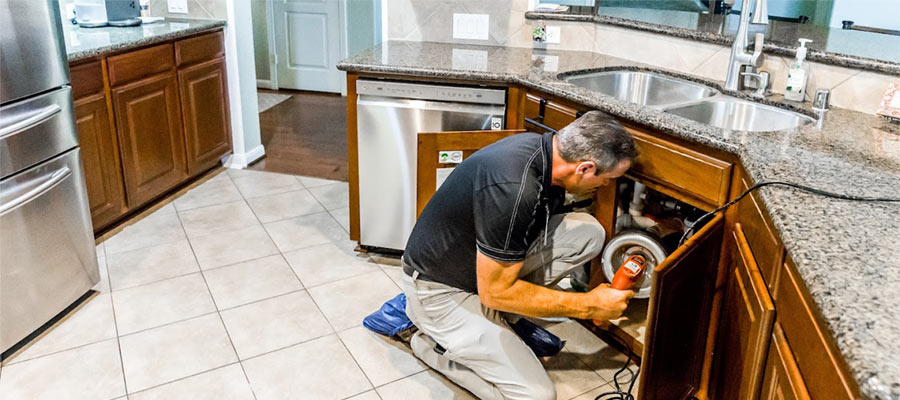
First they have to find exactly where the leak is. Use acoustic listening equipment that picks up the sound of water escaping. Infrared imaging shows temperature differences. Pressure testing narrows down which line is leaking. This method pinpoints the precise location of the leak without causing random damage to the concrete.
Once they know where it is, they figure out the best way to reach it. Sometimes that means breaking through the slab directly above the leak. A small section of concrete was removed, the pipe was exposed, and a repair was made.
Sometimes they reroute the line instead. Run a new pipe through the walls or ceiling, and abandon the damaged section under the slab. Avoids disturbing the foundation. The situation will determine which approach is more appropriate.
Actual repair might be patching the damaged section with new pipe or epoxy. Alternatively, it may involve replacing the entire length of the corroded line. Alternatively, the repair may involve rerouting using contemporary materials. Older pipes with multiple problems often make a full rerouting the smarter choice.
After repairs, pressure testing confirms the system is sealed. Then concrete and flooring get restored. The house will look like it did before by the time they’re done.
Preventing Future Problems
You can’t prevent every slab leak, but you can reduce the risk. Annual plumbing inspection catches corrosion or pressure issues before they become leaks. A small investment prevents big repairs.
Watch your water pressure. The ideal water pressure range is between 40 and 60 psi. Higher than that stresses pipes constantly. The pressure regulator keeps it in the safe range.
Pipe insulation helps too. It lessens the impact of temperature fluctuations and prevents the accumulation of condensation.
Keep soil moisture around your foundation consistent. Don’t let it completely dry out or get oversaturated. Both extremes stress the plumbing underneath.
Use a water softener in areas with hard water. It lessens the accumulation of minerals that corrode pipes from the inside out. Houston water is hard enough that many homes benefit from this.
When Repiping Makes More Sense
Keep getting leaks? Are you dealing with this issue for the second or third time? It might be time to repipe instead of patching again.
If pipes are old and corroded throughout, fixing one leak just means waiting for the next one. The whole system is failing. Patching is throwing money at something that’s going to keep breaking.
Repiping replaces all the old lines with modern materials like PEX. Repiping involves running new pipes through accessible paths, thereby abandoning everything beneath the slab. This process provides a fresh start that can last for decades.
A plumber can look at your situation and tell you which makes more sense. Sometimes patching is right; sometimes repiping is the smarter investment.
FAQs
How long does slab leak repair take?
Typically, the repair process takes one to three days. The duration of the repair depends on the accessibility of the leak and if the leak requires patching or rerouting.
Does insurance cover slab leaks?
Depends on your policy. A lot of them cover resulting water damage but not the actual plumbing repair. Check yours before assuming either way.
Can a slab leak damage my foundation?
Absolutely. Water erodes the soil supporting the foundation. It leads to the formation of cracks, uneven settling, and structural issues. Why is it so important to detect leaks early?
How do they find leaks without breaking up everything?
They use electronic listening equipment, pressure testing, and infrared imaging to detect leaks. Pinpoints the exact location before any concrete gets touched.
Can I fix this myself?
No. It takes professional equipment to find the leak and professional skills to fix it without causing more damage. Not a DIY project.
John Moore Services
Slab leak detection and repair across Houston. Quickly locate the issue, repair it correctly, and restore everything afterward. Know the local soil; you know what causes these problems here.
Water bill spiked? Are there any hot spots on the floor? Call (713) 730-2525 or visit JohnMooreServices.com.