What is the traditional method for replacing a sewer line? Dig up the whole yard. Tear out the driveway. Rip through the landscaping you have spent years growing. Leave your property looking like a construction zone for weeks.
Nobody wants that. This is especially true when a more efficient solution is now available.
Trenchless sewer replacement does the same job without all the destruction. Small access points replace the large trenches. The new pipe goes in through the old one. The yard stays intact. The driveway stays intact. The process is completed within a day or two, as opposed to weeks.
Here’s how it actually works and why Houston homeowners are choosing it over traditional excavation.
Quick Facts
| Question | Reality |
| How long does it last? | 50 years plus with modern materials. It outlasts many of the original pipes. |
| What’s it going to cost? | $4,000 to $15,000 in Houston. The cost varies depending on the extent of the damage, the method used, and other factors. |
| How long does the work take? | The duration of the work can range from a few hours to several days. The work does not take weeks, unlike the old method. |
| What about my yard? | Minimal digging. Landscaping stays put. Driveway untouched. |
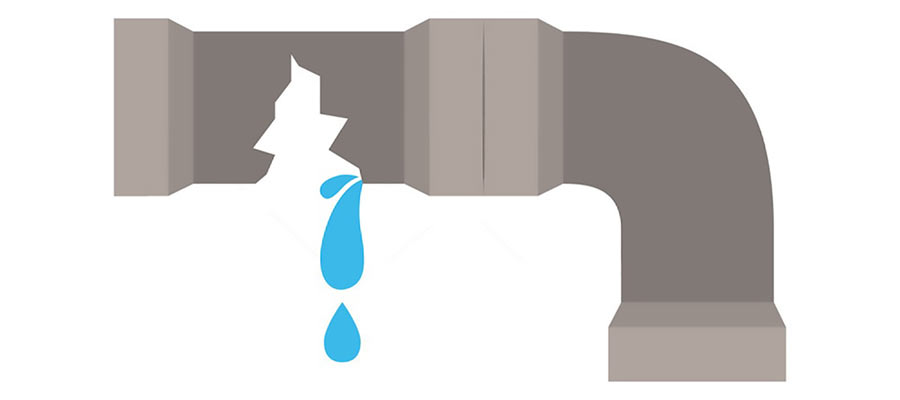
| What types of problems does this method effectively address? | This method is effective in addressing issues such as cracks, leaks, root intrusion, and corrosion. Most common sewer issues. |
Why People Are Skipping Traditional Excavation
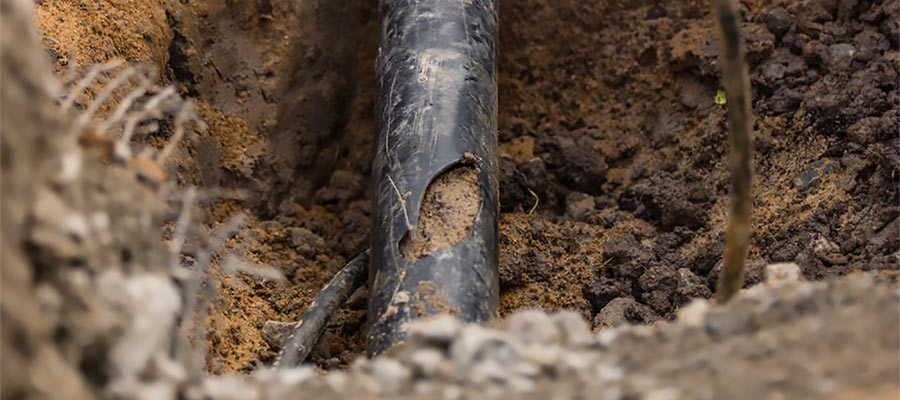
Old-school sewer replacement means digging a trench from your house to the street. Sometimes that’s through your driveway. Through your flower beds, you’ve been growing for years. Across the lawn. This may even extend into city property, which would require permits and create additional hassle.
Then after the pipework is done, you’ve got to put everything back. New concrete. New landscaping. New grass that takes forever to fill in. Costs pile up fast beyond just the plumbing work itself.
Trenchless avoids most of that. The plumber accesses the pipe through small entry points at each end. Everything happens underground without digging up the middle. Your property looks basically the same when they leave as when they showed up.
Two Ways Trenchless Works
Pipe bursting is one approach. The hardened bursting head gets pulled through the old pipe. This process breaks the old pipe apart as it progresses. The new pipe follows right behind. Old pipe is destroyed and pushed aside while new pipe takes its place. It works great when the existing pipe is collapsed or too far from the line.
Pipe relining is the other. A flexible liner soaked in epoxy gets inserted into the old pipe. Air pressure pushes it against the pipe walls. Epoxy cures and hardens. The process creates a smooth new pipe inside the old one. Epoxy is ideal for repairing cracks and corrosion in situations where the pipe structure remains largely intact.
Both methods avoid digging up your whole yard. Both use materials that last decades. The plumber looks at the camera inspection and decides which approach fits your situation better.
What Makes Trenchless Worth It
Despite the specialized nature of the equipment, trenchless excavation ultimately results in cost savings. You’re not paying for yard restoration, driveway concrete, hardscape repairs, and weeks of labor. What about all the costs that pile up with traditional excavation? Gone.
Way faster too. Traditional replacement can take days or weeks depending on pipe length and what’s in the way. Trenchless often finishes in a single day. Normal life resumes immediately instead of dealing with an active construction site.
Property stays intact. You don’t have to tear up the landscaping you spent years developing. The driveway doesn’t need replacing. The neighbors won’t be able to see a massive trench running through your yard.
Materials last longer than old pipe ever did. Modern trenchless pipes resist root intrusion, corrosion, leaks, and soil movement. A smooth interior means better flow, too. Future repairs are less likely to be necessary.
Works in places excavation can’t reach easily. Are tree roots obstructing the excavation process? Tight spaces between structures? Are there obstacles that could pose a significant challenge to the digging process? Trenchless handles all of it.
Healthier setup when done. Sealed modern pipe prevents backups, blocks odors, and stops sewage from leaking into surrounding soil. This improves both the value of your property and the health of the groundwater.
Furthermore, it enhances the value of your house. An updated sewer system is something buyers notice, especially in older neighborhoods where everyone knows the pipes are aging.
Trenchless vs Traditional
| Thing | Trenchless | Traditional |
| Digging | Small access holes only | Big trench the whole way |
| Time | Hours to a day | Days to weeks |
| Yard damage | Basically none | Significant |
| How long pipe lasts | 50+ years | 30 to 50 years |
| Restoration cost after | Minimal | Often thousands extra |
What Affects the Price
Pipe length is the big one. A longer sewer line means more material and more labor. A short run from house to street costs less than a long run across a big property.
Soil conditions matter in Houston. Clay soil that shifts around may need extra work to stabilize. Sandy or loose soil is easier to deal with.
What the old pipe is made of affects method choice. Cast iron or clay pipes from decades ago often need bursting instead of lining. That can change the cost.
Depth of the pipe matters too. Deeper means more work to reach connection points at each end.
Access issues can add time. If structures or obstacles block the entry points, setup takes longer. Sometimes creative solutions are needed to reach where the work happens.
What to Expect
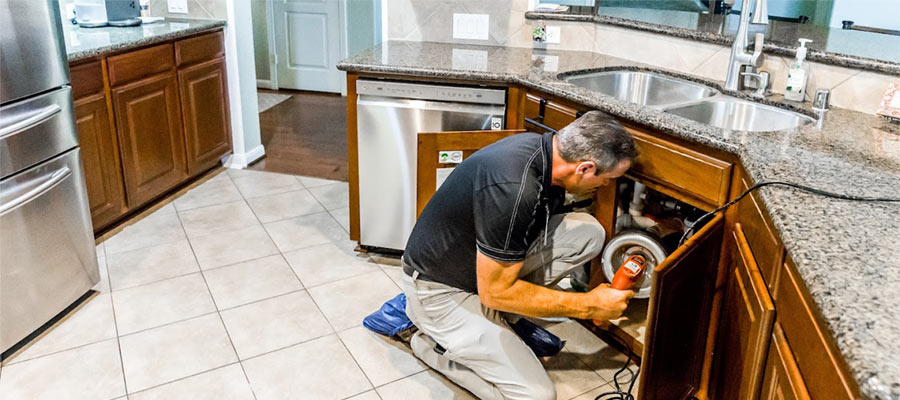
Camera inspection first. The plumber sends a camera through and sees exactly what’s wrong. The camera identifies issues such as cracks, root intrusion, corrosion, and collapse. The plumber is fully aware of the issues at hand before making any recommendations.
The assessment is conducted based on the images captured by the camera. The plumber determines which trenchless method is the most suitable. The timeline and cost estimates are provided.
Small access holes get dug at pipe ends. The entry point is located at the house, and the exit point is located near the street connection. That’s usually it for digging.
Pipe replacement or relining happens through those access points. Either the bursting head breaks apart the old pipe while the new one follows, or the liner gets inserted and cured in place.
A second camera inspection is conducted once the work is complete. Confirms everything is sealed properly and flowing right. There’s no uncertainty about the effectiveness of the work.
Cleanup is minimal because there’s very little mess. Please fill in the small access holes to complete the task.
Houston Conditions
The older sewer lines in this area experience constant stress. Clay soil expands when wet and shrinks when dry. That cycle happens over and over, putting pressure on buried pipes year after year.
There are large trees everywhere, their root systems constantly searching for water. They find sewer pipes eventually. Rodents don’t care how old your house is or how lovely your yard looks.
Heavy rainfall seasons add runoff that saturates soil and shifts things around even more. Everything underground is constantly under stress.
Trenchless makes sense here because the new materials handle these conditions better than whatever was installed decades ago. The new materials have a smoother interior, sealed joints, and are resistant to roots. The pipes are designed to withstand the harsh conditions that Houston presents.
FAQs
How long does trenchless replacement last?
With modern materials, trenchless replacement often lasts for fifty years or more. It frequently surpasses the lifespan of the original pipe.
Is it cheaper than traditional excavation?
Usually, yeah. This is particularly true when you factor in the costs associated with landscape restoration, concrete repair, and additional labor. Those costs disappear with trenchless.
Can any pipe be fixed this way?
Most can. Severely collapsed pipes sometimes need limited excavation at the damaged section. But the majority of problems work with trenchless methods.
Will my water be shut off?
Briefly sometimes. Most homeowners barely notice any interruption. There is significantly less disruption compared to traditional methods.
What about tree roots after?
New pipe material is smooth and sealed. The new pipe material is smooth and sealed, leaving no gaps for roots to penetrate. The new pipes are far more resistant than the old clay or cast iron pipes.
John Moore Services
John Moore Services provides trenchless sewer replacement services throughout Houston. John Moore Services specializes in camera inspection, pipe bursting, and pipe relining. Keep your yard intact while fixing what’s underground. Know the local soil, know the local conditions.
Are you experiencing issues such as backups, slow drains, or a sewer smell? Call (713) 730-2525 or visit JohnMooreServices.com.