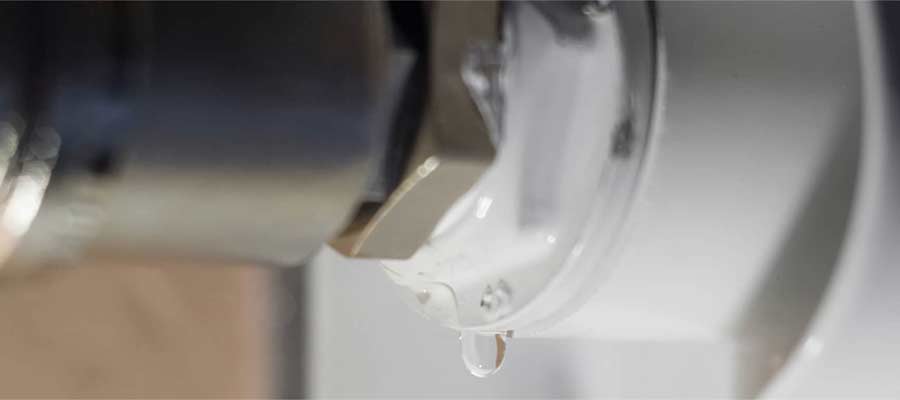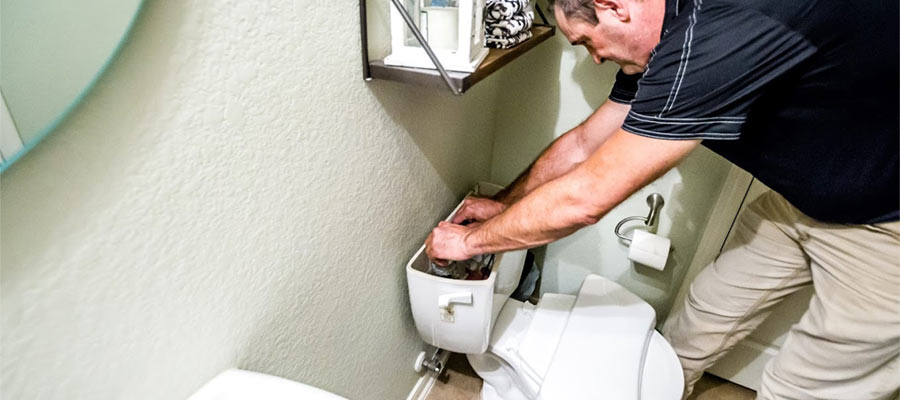
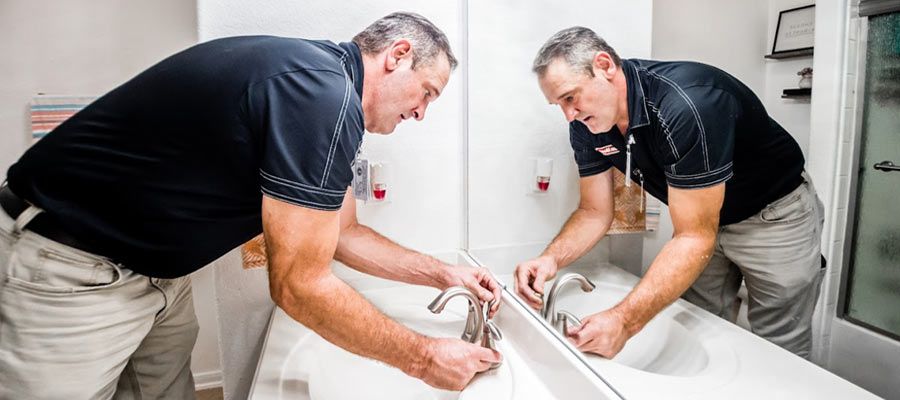
The toilet runs constantly. The faucet drips no matter how hard you turn the handle. The shower drain is slow again. Water pressure’s weaker than it used to be. Bathroom plumbing problems are annoying at best and expensive at worst.
Some things you can handle yourself. You can perform tasks such as unclogging a drain, replacing a showerhead, and swapping out a flapper yourself. But bathrooms have more complexity hidden behind walls and under floors than most people realize. DIY that goes wrong in a bathroom creates expensive damage fast.
Knowing when to call someone versus when to grab tools yourself saves money and headaches. Here’s what actually goes on with bathroom plumbing and when professional help makes sense.
Bathroom Plumbing Basics
| What You’re Wondering | Straight Answer |
| How long do fixtures last? | Faucets last 10 to 20 years. Toilets last 15 to 30 years. Showers have a lifespan of 20 to 30 years. Quality and maintenance matter. |
| What’s the repair cost? | $150 to $650 or more depending on what’s wrong. |
| Installation cost? | $400 to $4,500+, depending on complexity. Moving pipes costs more than swapping fixtures. |
| Common Houston problems? | Hard water buildup, aging sewer lines, and humidity causing corrosion. Local conditions matter. |
| How often to inspect? | Annual inspection catches small leaks before they become expensive damage. |
What’s Actually in Your Bathroom Plumbing
There are more systems involved in your bathroom plumbing than you may realize. Water supply lines provide both hot and cold water to each fixture in your bathroom. The drain and sewer lines transport waste out of the system. Shutoff valves allow you to halt the flow of water at specific fixtures. There are traps under sinks and tubs to prevent sewer gas from escaping back into the system.
Pressure regulators control how hard water hits your fixtures. Water heater connections provide the hot side. Venting allows drains to work properly without air locks.
All of it has to work together. A problem with one part affects others. Low pressure might be the fixture, or there might be something wrong with the supply lines. A slow drain might be a clog, or it might be a venting issue.
When everything works, you don’t think about it. When something fails, suddenly you realize how much is going on behind walls and under floors.
Why DIY Goes Wrong in Bathrooms
Bathroom plumbing has hidden complexity that trips up DIYers. Drains need specific slope angles, or water doesn’t flow properly. Floors need waterproofing, or water seeps into the subfloor and causes rot. Shower valves need pressure balancing or temperature swings dangerously.
Pipes are routed through walls in specific ways to meet codes. Getting it wrong means failed inspections or, worse, damage that doesn’t show up until much later.
Common DIY mistakes include overtightening fittings until they crack or strip. Common DIY mistakes also include mixing pipe materials without proper transitions and creating corrosion points. Using the wrong tools can deform pipes or break seals. Failure to meet ventilation requirements can lead to drainage issues.
The worst part is bathroom DIY mistakes often hide behind tile. Water leaks slowly into walls, rot develops, and mold grows. By the time you notice, the damage is extensive. These are some of the most expensive repairs in homeownership.
Signs You Need Professional Help
Recurrent leaks are a sign that professional help is necessary. Fixed it once; it’s leaking again. Something underlying is wrong that surface repair isn’t addressing. Water finding a way through means moisture damage building up.
The water pressure in the bathroom is dropping. The buildup of minerals from Houston’s hard water could be obstructing the flow. It could be a hidden leak somewhere in the supply lines. Either way, it needs diagnosis, not guessing.
The slowness of the drains persists even after they have been cleared. You’ve plunged, you’ve snaked, and you’re still slow. The problem might be further down the sewer line. Or it might be a venting issue that no amount of drain clearing will fix.
There is an unpleasant odor emanating from the bathroom. Something’s wrong with the venting, or a pipe is cracked underground. The smell is not only unpleasant but also potentially hazardous. Sewer gas includes methane and hydrogen sulfide.
When water drains, it produces gurgling sounds. The plumbing system is struggling to vent properly. There is trapped air in the lines. This typically signals an issue that is likely to worsen in the future.
What Professionals Do That You Can’t
Accurate diagnosis is the big one. A professional sees symptoms and knows what causes them. A professional possesses extensive experience in solving hundreds of similar problems. Instead of treating surface symptoms, a professional identifies the root cause.
Code-compliant work matters. Houston plumbing regulations require specific clearances, venting configurations, and materials. A licensed plumber knows these requirements. Work that passes inspection and functions properly long-term.
Quality materials were selected for the application. Cheap connectors and pipes fail faster in humid climates. Professionals know what materials hold up in Houston conditions.
Warranty backs the work. If something goes wrong, they come back and fix it. DIY has no warranty. If your fix fails, you pay again.
Professional vs. Handyman
| What Matters | Licensed Plumber | General Handyman |
| Licensed and insured? | Yes | Usually not |
| Can pull permits? | Yes | No |
| Specialized tools? | Full set | Limited |
| Knows plumbing codes? | In-depth | Limited |
| Long-term durability? | Higher | Variable |
Bathrooms are too crucial to rely solely on trial and error. Water damage behind tile is expensive and disruptive to fix.
What Affects Pricing
The pricing is influenced by the quality of the fixtures and the durability of the materials used. Cheap fixtures need replacing sooner. Better ones cost more upfront but last.
Accessibility matters a lot. Pipes you can reach easily cost less to work on. Pipes behind finished walls or under concrete slabs cost more.
Age of existing plumbing. Older homes often have galvanized pipes that have deteriorated. These pipes are particularly prevalent in Houston neighborhoods constructed prior to the 1980s. Replacing old pipes adds cost but prevents ongoing problems.
Houston’s humidity accelerates corrosion. Metal fittings rust faster here. Hard water builds mineral deposits. Both affect how long repairs last and what materials make sense.
Emergency timing costs more. The cost increases during after-hours, weekends, and holidays. It’s worth it when you can’t use your bathroom, but be prepared to pay premium rates.
Houston Bathroom Plumbing Trends
High-efficiency fixtures are getting more popular. Use less water, lower utility bills, and get the same performance. This makes sense, especially as water costs continue to rise.
Smart shower controls feature temperature memory and flow management. The shower controls ensure a consistent temperature, save water, and provide convenience.
Tankless water heaters are especially popular for bathrooms far from the main water heater. They provide hot water instantly and save space.
Hard water treatment systems are increasing as homeowners realize how much mineral buildup affects fixtures and appliances. Protects investment, reduces maintenance.
Houston’s humidity demands the use of corrosion-resistant components and improved ventilation. Metal fittings that don’t rust, fans that actually move moisture out.
FAQs
How often should I get bathroom plumbing inspected?
Once a year. It identifies minor leaks and pressure problems before they escalate into costly issues. Prevention costs less than repair.
What causes low water pressure in bathrooms?
Hard water deposits can restrict flow, hidden leaks can lose pressure, or pressure regulators can fail. Determining the cause of low water pressure in bathrooms requires a thorough diagnosis.
Should I repair or replace old bathroom pipes?
If pipes are rusty, corroded, or over fifty years old, replacement usually makes more sense. Replacing the pipes can avoid the need for repeated repairs and potential major damage from failure.
Why does my bathroom smell like sewage?
Usually, this is due to a dry trap, a venting issue, or a cracked sewer line. Traps dry out in unused fixtures; just run water. Venting and sewer line issues need professional attention.
Can I unclog bathroom drains myself?
Minor surface clogs, yes. You can use a plunger, drain snake, and other basic tools to unclog your bathroom drains. If clogs keep coming back despite clearing, the problem is deeper and needs professional inspection.
John Moore Services
John Moore Services has been providing bathroom plumbing services in Houston for fifty years. Installation, repair, maintenance, inspection. Our team of licensed plumbers is well-versed in local conditions, code requirements, and the materials that are durable in this environment.
Keep your bathroom working right without the headaches of DIY gone wrong. Call (713) 730-2525 or visit JohnMooreServices.com.