
Laundry room plumbing gets ignored until it doesn’t work. The washer won’t fill. Drains back up. The hose finally gave out, causing water to pool on the floor. No matter how much you clean, the musty smell persists.
Most homes have laundry areas tucked away where nobody looks closely. Basement, garage, utility closet. Often, these areas remain hidden and unnoticed. That is, until something unexpected happens, such as water damage, mold growth, or a malfunctioning washer.
Understanding what’s going on behind the walls and under the floor helps you catch problems early. And knowing when you can handle something versus when to call for help keeps minor issues from becoming expensive disasters.
Laundry Room Plumbing Basics
| What You’re Wondering | Reality | Houston Factor |
| How long does it last? | Water lines last 15 to 25 years. Drain pipes 20+ years. | Humidity accelerates wear. Poor ventilation worsens it. |
| What does it cost? | $500 to $2,500 for sinks, hookups, and ventilation. | Labor runs a bit higher here than the national average. |
| What materials? | PEX or copper is commonly used for supply purposes. PVC for drainage. | PEX is popular here. Flexible, handles soil movement. |
| Can I DIY? | Minor stuff, maybe. Major work is risky without experience. | Code requirements here mean professionalism often makes sense. |
| Maintenance? | Check hoses yearly. Clean lint traps. Ensure adequate airflow. | Mold risk is high. Ventilation matters more here. |
How Laundry Room Plumbing Works
Three systems working together. The water supply brings hot and cold water to your washer and any utility sinks. Drainage carries wastewater out. Ventilation removes moisture and prevents problems with both.
Water supply lines need proper shut-off valves. When a hose bursts or you need to repair something, you want to stop the water quickly. Valves that work smoothly save you from emergency flooding.
Drainage needs the correct slope to move water out efficiently. If the slope is insufficient, water can pool, back up, and cause clogs. Proper venting in the drain system prevents air locks and keeps water moving.
Ventilation gets overlooked but matters a lot. The system must handle steam from hot water cycles, humidity from wet clothes, and heat from dryers. Without airflow, all that moisture stays in the room. Mold grows. Paint peels. Metal corrodes faster.
In Houston’s climate, ventilation might be the most critical piece. Humidity outside is already high. Add laundry room moisture to an enclosed space, and you’ve got conditions that accelerate every kind of damage.
Utility Sink Setup
Utility sinks are useful for a lot more than laundry. You can use them for tasks such as handwashing delicates, cleaning muddy shoes, rinsing paintbrushes, and filling buckets. Deep basin handles messy tasks you don’t want at your kitchen sink.
Water supply needs properly sized lines. Undersized pipes mean weak flow and frustration. Shut-off valves under the sink let you turn off water for repairs without affecting the rest of the house.
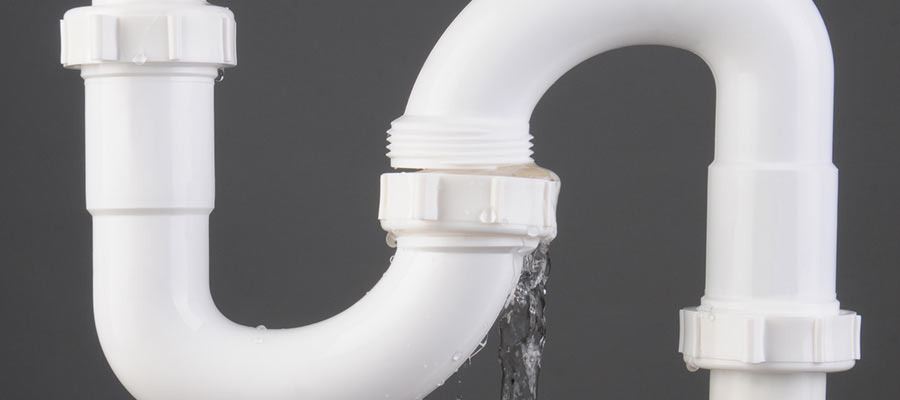
Drainage should have the correct slope and a trap to prevent sewer gas from coming back up. The lint trap in the drain line catches fibers before they accumulate further down. Washing machine lint combined with utility sink debris can create stubborn clogs.
Location matters too. The ideal location should have easy access to hot and cold water, a proper floor slope that directs water towards the sink rather than away from it, and ample space for comfortable use.
Washing Machine Plumbing
Washers demand more from plumbing than most appliances. Every cycle requires a large volume of water to be pumped in and out. Hot and cold mixing. The fill and drain phases occur at a rapid pace. All of it stresses connections.
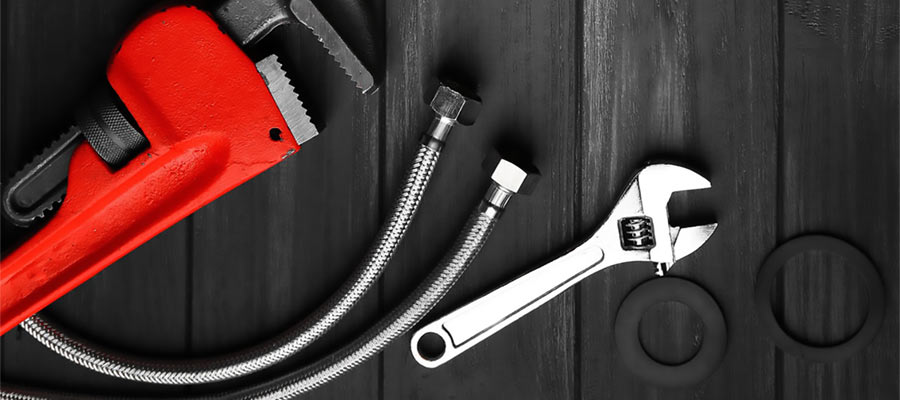
Supply hoses are the weak point. Rubber hoses especially. They degrade over time, develop bulges, and eventually burst. Stainless steel braided hoses last longer and are worth the upgrade. Check hoses annually for any signs of wear.
Water pressure matters. Too low and the washer doesn’t fill properly. If the pressure is too high, it stresses the hoses and connections. A pressure regulator helps if your home runs high.
The drain system has to handle the volume. A standpipe that’s too narrow or clogged backs up. Water overflows onto the floor. Discovering this problem when you return to move clothes to the dryer is not a pleasant experience.
Steam and humidity from wash cycles need somewhere to go. An exhaust fan or a window that actually opens is needed. Otherwise moisture builds up, condenses on surfaces, and creates problems over time.
DIY vs. Professional Work
Some laundry room plumbing work is manageable for you. Replacing washer hoses. Cleaning drain traps. Minor adjustments.
However, the complexity of larger tasks increases rapidly. Running new supply lines. Installing utility sinks. The task also involves managing the drainage slope and venting. Mistakes here cause leaks behind walls, slow drains that won’t clear, and mold problems that take serious effort to fix.
Common DIY errors include water connections that seep slowly and cause hidden damage. Drain lines without proper slope that work okay at first and then clog constantly. Insufficient venting contributes to the growth of mold and the development of musty odors.
A professional plumber knows local code requirements, has proper tools, and understands what materials work best in Houston conditions. Investing in a professional plumber may incur higher upfront costs, but it also averts the need for repeated repairs that DIY mistakes often entail.
If you’re not confident about the scope of work, getting professional input before starting saves money compared to fixing problems afterward.
Houston-Specific Considerations
Humidity is the big one. Houston summers mean moisture is constantly in the air. The laundry room adds more moisture on top of that. Without adequate ventilation, you’re creating conditions where mold thrives.
Exhaust fans that vent outside, not into the attic. Windows that can actually open. Keep the door open after loads finish. Any device that facilitates the removal of humid air from the space is beneficial.
Clay soil throughout the area shifts pipes. PEX handles this better than rigid materials. If you’re running new lines, flexible piping makes sense for our conditions.
Hard water builds mineral deposits. This can have an impact on the washers, faucets, and water heaters that supply the laundry room. Regular maintenance prevents buildup from causing failures.
FAQs
How often should I check washer hoses?
At least once a year. Look for cracks, bulges, or soft spots. Replace rubber hoses every three to five years even if they look okay. Stainless steel braided hoses last longer.
Can I install a utility sink myself?
This depends on your level of skill. If you have experience, connecting the water and drain is straightforward. Venting and drain slopes often trip people up. Professional installation avoids problems.
What’s the best material for water supply lines?
PEX is popular in Houston. PEX is known for its flexibility, its ability to manage soil movement effectively, and its resistance to corrosion. Copper works too but costs more and can corrode in some water conditions.
How do I prevent mold in the laundry room?
Ventilation is the key. Exhaust fan that runs during and after laundry. Fix any leaks immediately. Clean the dryer lint trap after every load. Don’t let damp clothes sit in the washer.
What does professional laundry room plumbing cost?
$500 to $2,500 typically. The cost varies depending on the number of fixtures, the materials used, and the ventilation requirements. The cost ranges from a basic washer hookup to a full utility sink installation.
John Moore Services
John Moore Services provides high-quality laundry room plumbing services. John Moore Services offers services such as washer hookups, utility sinks, drain cleaning, and complete installations. Know Houston conditions, local codes, and materials that work best here.
John Moore Services has spent fifty years ensuring the smooth operation of laundry rooms in Houston. Call (713) 730-2525 or visit JohnMooreServices.com.