The faucet’s dripping. The disposal is acting up. The drain is slow. This seems like a task you could manage on your own. Watch a video, grab some tools, and save the service call fee.
Sometimes that works fine. Other times it turns a minor issue into water spraying across the kitchen, cabinets getting soaked, and a much bigger repair bill than you started with.
Kitchen plumbing mistakes are usually avoidable. Knowing what not to do matters as much as knowing what to do. Here’s where DIY projects go wrong and how to keep that from happening.
Common Kitchen Plumbing Problems
| Mistake | What Goes Wrong | Cost to Fix | Avoid How |
| Water still on | Pressurized flood, soaked cabinets, water damage | $150 to $1,200+ | Shut off first |
| Wrong tools | Stripped fittings, cracked pipes, leaks | $100 to $800 | Get proper tools |
| Overtightening | Broken fittings, stripped threads, cracked seals | $250 to $1,000 | Snug, not tight |
| No documentation | Can’t remember how to reassemble | Hours of frustration | Take photos |
| Ignoring limits | A simple problem becomes major failure | $500 to $2,500 | Know when to stop |
Forgetting to Shut Off the Water
This is the most common and costly mistake. Start working on a faucet, disconnect something, and water sprays everywhere because you forgot to shut it off first. Pressurized water is flooding out faster than you can stop it.
It takes seconds to cause real damage. The cabinets are soaked, water on the floor is reaching the electrical outlets, and anything stored under the sink is ruined.
Always shut off water before touching any plumbing. Look for shut-off valves under the sink. Turn them clockwise to close. If you can’t find valves or they’re stuck, shut off the main water supply to the whole house. Then test the faucet to confirm water’s actually off before you start.
Five seconds of preparation prevents a disaster. If you skip this step, you may end up with damage that costs more to fix than the original problem.
Using the Wrong Tools
Professional plumbers make things look straightforward because they have the right equipment. A basic adjustable wrench from your junk drawer isn’t always enough.
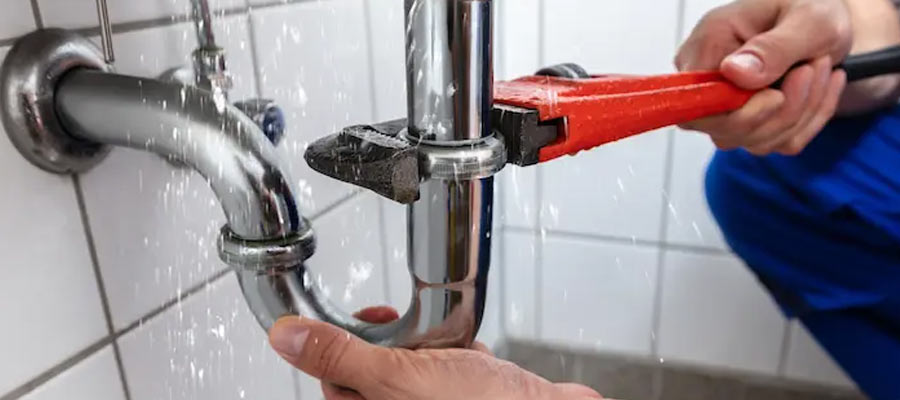
Wrong tool strips fittings, cracks connections, and damages threads. Then you’ve got a worse problem than you started with. The fitting that was just dripping now leaks constantly because you rounded off the nut while trying to turn it with pliers.
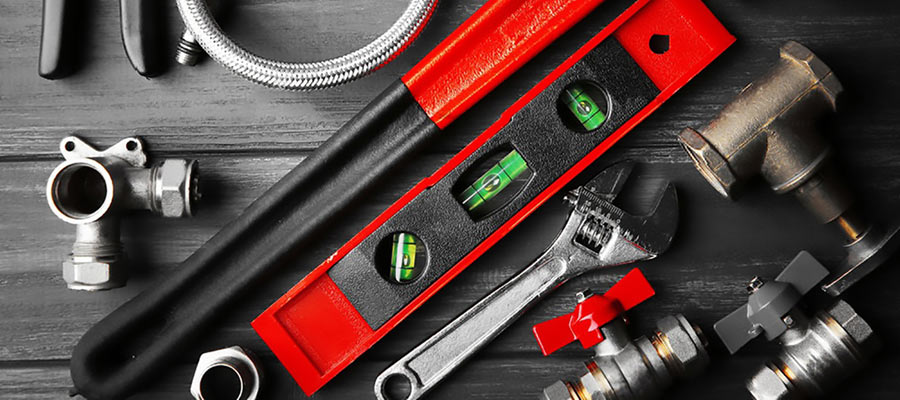
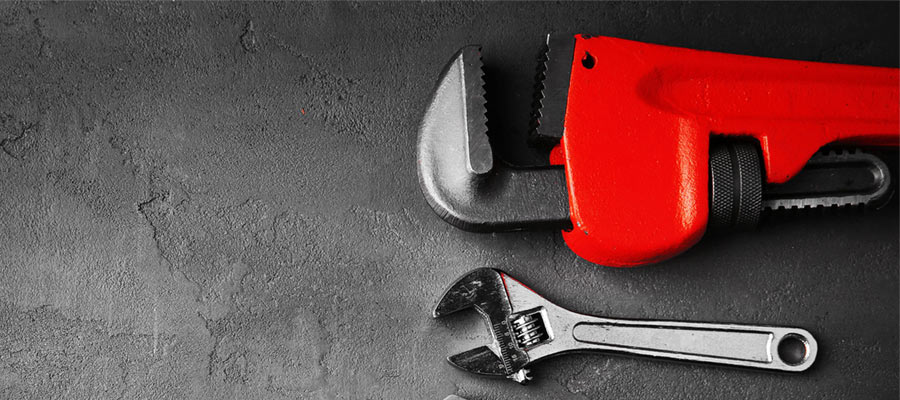
Basin wrenches reach faucet nuts in tight spaces. Tube cutters make clean cuts instead of jagged ones. Plumber’s tape seals threads properly. Pipe wrenches grip without slipping.
Don’t have what you need? Hardware stores rent specialty tools. Or call a plumber. It’s preferable to avoid damaging parts by using homemade solutions.
Over-Tightening Everything
Something leaks; it must need to be tighter, right? Not always. Overtightening breaks things.
Plastic fittings crack. Metal threads strip. Rubber seals compress too much and fail. You turn what was a minor drip into a fitting that needs complete replacement.
Most plumbing connections just need to be snug. The connections should be hand-tightened and then given a quarter turn. Sealant tape or thread compound does the sealing work. Force doesn’t help.
If something leaks after you’ve tightened it properly, the problem is the seal or the fitting, not your torque. Cranking harder won’t fix a defective washer or damaged threads.
Not Taking Photos Before Disassembly
Take apart a garbage disposal, faucet assembly, or drain system. Twenty minutes later, parts spread across the counter. How did the system go back together again?
Memory fails. This is particularly evident when dealing with multiple pieces that appear similar, washers that require a specific order, and connections that only fit in one way.
Take photos before you start. More photos during disassembly. The phone camera is right there. Pictures at each stage give you a reference when you need to reverse the process.
Professional plumbers do this too. This practice is particularly prevalent in complex jobs that involve multiple components. There’s no shame in documenting your work.
Not Knowing When to Stop
DIY enthusiasm gets people into trouble. Started with confidence, now you’re two hours in, parts don’t fit, water’s still dripping, and you’re not sure what went wrong.
There’s a point where continuing makes things worse. Attempting to force a connection that doesn’t fit is a common problem. You may find yourself improvising with parts from the hardware store that barely fit. Attempting additional steps when you’re already overwhelmed and prone to errors is a common mistake.
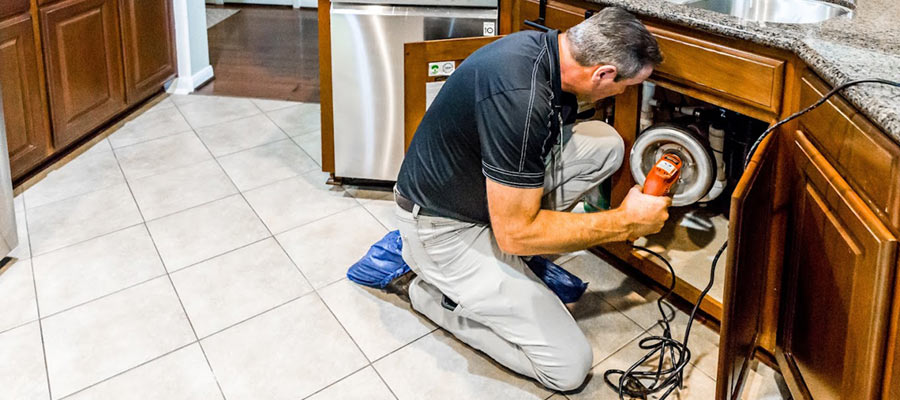
Signs you should stop and call someone: you can’t find the source of a leak, pipes are corroded or old, the same repair keeps failing, or you’ve made the problem bigger, not smaller.
Calling a plumber is not a sign of surrender. It’s recognizing the job exceeded your tools, knowledge, or the situation’s complexity. Better to call at that point than after you’ve caused additional damage.
Houston Conditions Matter
Local factors make kitchen plumbing trickier here. Humidity accelerates corrosion. Clay soil shifts and stresses connections. Hard water builds mineral deposits inside fixtures and pipes.
Years of Houston conditions may weaken even seemingly fine fittings. Corroded threads strip easier. Mineral buildup makes valves harder to turn. Decades of local conditions have particularly stressed the plumbing in older homes.
Professional inspection before major DIY work helps you know what you’re dealing with. A plumber can tell you if that faucet’s going to come apart cleanly or if the corroded connections mean it’s better to have someone handle it.
FAQs
What’s the most expensive DIY plumbing mistake?
Working with the water still on is the most costly DIY plumbing mistake. Pressurized flood happens in seconds. Water can cause damage to cabinets, flooring, and other nearby items. The damage can easily amount to thousands of dollars.
Can I use regular sealant instead of plumber’s tape?
No. Household sealants aren’t rated for water pressure or temperature changes. They fail, and you get leaks. Use Teflon tape or proper thread sealant.
When should I call a plumber instead of DIY?
I am unable to locate the source of the leak. Pipes are corroded. The same fix keeps failing. The problem got bigger instead of smaller. Any of those means it’s time for professional help.
How often should kitchen plumbing be inspected?
We recommend inspecting the kitchen plumbing every one to two years. The sooner you notice slow drains, low pressure, recurring leaks, or anything unusual, the better.
Does Houston’s climate affect kitchen plumbing?
Yes. Humidity speeds corrosion, soil shifts stress pipes, and hard water builds deposits. All of it wears things out faster than in other climates.
John Moore Services
When DIY hits its limits or you’d rather have it done right the first time, John Moore handles kitchen plumbing. John Moore provides services such as leak repair, fixture installation, drain cleaning, and full system inspection.
Fifty years in Houston. Know local conditions, carry the right parts, and get kitchens working again. Call (713) 730-2525 or visit JohnMooreServices.com.