Houston doesn’t freeze often. That’s why it often catches people off guard when it does. After a few hours of temperatures in the 20s, pipes begin to crack, water starts to spray everywhere, and half the city immediately calls for plumbers.
Recent winters proved this isn’t a theoretical problem. Real freezes happen here. Maybe not every year, but when they hit, the damage is serious. Burst pipes, flooded homes, insurance claims, mold remediation. All because most Houston houses aren’t built for freezing weather.
The good news is prevention works. A few hours of preparation before a freeze can save thousands in repairs. Here’s what actually protects your pipes when temperatures drop.
Winter Pipe Protection Basics
| What People Ask | Reality |
| How long do pipes last? | The lifespan varies from 40 to 70 years, depending on the material used. Freezing shortens that significantly. |
| What’s the repair cost? | $250 to $1,500+, depending on location and damage. Plus water damage costs. |
| Why do pipes burst? | Water expands 9% when frozen. Pressure builds inside the pipe until it cracks. |
| When to prepare? | Before the first freeze. Typically, the best time to prepare is between late November and early December. |
| Houston-specific? | Houses aren’t built for cold. This results in less insulation and more exposed pipes. Freezes hit harder here. |
Why Pipes Burst When It Freezes
Physics is simple. When water freezes, it expands. Water expands about nine percent more as ice than it does as liquid. Pipe is a sealed system with nowhere for that expansion to go. Pressure builds and builds until something gives.
It doesn’t matter much what the pipe’s made of. Copper cracks. Galvanized steel splits. PVC shatters. PEX is more flexible, so it handles some expansion better, but even PEX will rupture if frozen solid for long enough.
Damage happens while frozen, but you don’t see it until the ice melts. That’s when water starts spraying through the crack. It could be hours after temperatures come back up. You think the danger has passed, then suddenly there’s flooding.
Pipes in unheated spaces are most vulnerable. These spaces include attics, garages, crawl spaces, and exterior walls. This includes any area where your heating system does not provide warmth. Those freeze first and burst most often.
Open Cabinet Doors
Kitchen sink, bathroom vanity. Warm air from the house doesn’t reach the pipes running behind cabinet doors. Cold night comes, and those enclosed spaces drop in temperature faster than the rest of the room.
Simple fix. Open the cabinet doors. Let warm indoor air circulate around the pipes. This is particularly crucial for plumbing situated on exterior walls, as it helps prevent the infiltration of cold air from the outside.
It only requires five seconds and comes at no cost. Do it whenever temperatures are expected to drop below freezing overnight.
Let Faucets Drip
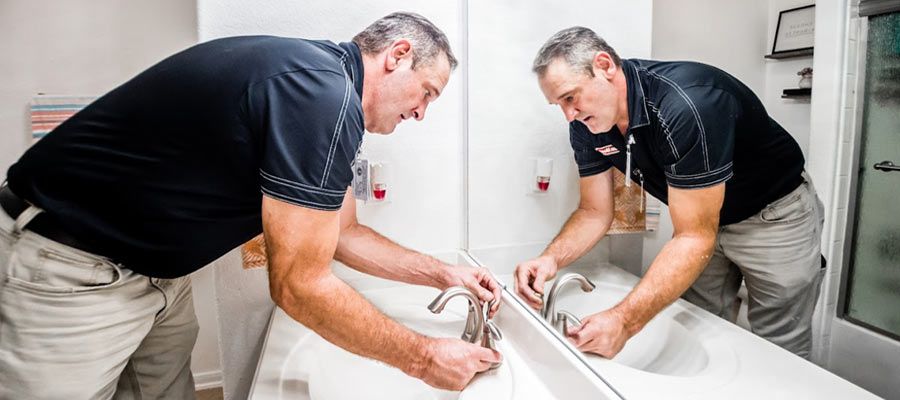
Moving water doesn’t freeze as easily as still water. A small trickle from your faucets keeps water flowing through pipes. It also alleviates pressure that could accumulate if ice were to form.
Focus on faucets connected to pipes along exterior walls. The bathroom sink should be located outside the house, and the kitchen sink should be placed next to an unheated garage. Those are the high-risk ones.
The water level doesn’t need to be high. A steady drip is preferable to a stream. Slight increase in water bill versus paying thousands to repair burst pipes and water damage. Easy math.
Keep the Heat Running
It’s tempting to lower the thermostat when you’re sleeping or away. But a sudden temperature drop inside the house lets pipes get cold enough to freeze. This is especially true during the night, when the outdoor temperatures are at their lowest.
Keep your thermostat consistent. It’s important to maintain a temperature that is neither too warm nor too cold. Above 55 degrees throughout the house prevents most freezing. A slightly higher heating bill is worth it compared to the costs of repairs.
Leaving town during winter? Don’t turn the heat off completely. Leave it running low. An empty house with no heat is asking for frozen pipes if a cold front comes through while you’re gone.
Insulate Exposed Pipes
Best long-term protection. Use foam pipe sleeves, fiberglass wraps, and heat tape for long-term protection. Cover pipes in attics, garages, and crawl spaces. Anywhere that’s not heated.
Pier-and-beam foundation? Pipes under the house need insulation too. Cold air flows under there freely. Two-story house? Attic water lines feeding upstairs bathrooms are vulnerable.
Seal cracks and openings where cold air enters. The areas of vulnerability include foundation vents, gaps around pipes where they enter the house, and poorly sealed windows in unheated spaces. Cold air finding a path to your pipes is what causes freezing.
Insulation also helps with energy efficiency year-round. Hot water stays hot longer in insulated pipes. In the summer, cold water doesn’t pick up heat from the attic. There are benefits that extend beyond providing winter protection.
Space Heaters as Backup
Are you concerned about specific areas on a particularly cold night? Portable space heaters can add warmth to vulnerable spots. The laundry room, which has pipes on an exterior wall, is a prime example. The kitchen is situated adjacent to an unheated garage.
Use them safely, though. Plug directly into wall outlets, not extension cords. Keep away from anything flammable. Never leave unattended. Don’t use in bathrooms where water and electricity mix dangerously.
This should be considered an emergency measure rather than a long-term solution. This emergency measure helps you survive a particularly cold night when other precautions may not be sufficient.
Professional Inspection Helps
DIY precautions work well, but there’s value in having someone who knows what to look for check your system. Plumbers can identify weak joints, hidden uninsulated sections, and areas you’d never think to check.
Ideally, it should be completed before the onset of winter. A late fall inspection catches problems while there’s still time to address them. It is preferable to identify problems during an active freeze.
If pipes do freeze, don’t try to thaw them with open flames or high heat. That’s how fires start and pipes crack from thermal shock. Turn off the water supply, open faucets to relieve pressure, and call a plumber. Let someone with proper equipment handle it safely.
Why Houston Gets Hit Harder
Northern houses are built to be cold. Pipes run inside heated spaces. Insulation is standard. Foundation designs account for frost.
Houston houses aren’t built that way. Pipes often run through attics, exterior walls, and uninsulated spaces. The system functions effectively 99% of the time due to the low frequency of freezing in this area. But that other 1% causes massive damage.
Recent freezes proved this vulnerability. The city was plagued by widespread burst pipes. Insurance claims spiked. Plumbers are booked solid for weeks.
Prevention before the freeze is way easier than dealing with the aftermath. A few hours of preparation when cold weather is forecast protects you from days of cleanup and repair.
FAQs
How cold does it have to get for pipes to freeze?
The temperature must be around 32 degrees or below for pipes to freeze. Exposed pipes in unheated areas freeze first. Sustained cold for several hours is when damage happens.
What should I do if pipes are already frozen?
Please turn off the main water supply as soon as possible. Open faucets to relieve pressure. Call a plumber. Don’t use open flames or high heat to thaw them yourself.
How can I tell if a pipe is about to burst?
Reduced water flow, visible frost on pipes, bulging sections, and strange gurgling sounds are signs that a pipe is about to burst. Any of these means ice is forming and pressure is building.
Does insulation prevent all freezing?
Insulation greatly reduces risk, but it does not guarantee protection in extreme cold. Combine insulation with steady heat and dripping faucets for best results.
What’s the safest way to thaw frozen pipes?
Use a hair dryer or space heater on a low setting for the safest method. Start at the faucet end and work back along the pipe slowly. Never use open flames or torches.
John Moore Services
John Moore Services has spent fifty years assisting Houston homeowners in preparing for and recovering from freezes. John Moore Services provides winterization services, pipe insulation, and emergency burst pipe repair when preventive measures prove insufficient.
Don’t wait for the freeze warning. Get your plumbing checked before cold weather hits. Call (713) 730-2525 or visit JohnMooreServices.com.