
Affordable Gas Water Heater Installation, Repairs, or Replacement in Spring, TX.
Why Professional Gas Water Heater Support Is Essential in Spring
Gas water heaters in Spring operate under demanding conditions created by heavy household usage, fluctuating seasonal temperatures, and the mineral-rich water common throughout the region, all of which place extra stress on ignition components, burners, tank linings, and safety controls. While homeowners might observe subtle issues such as unreliable hot water delivery, longer recovery periods, or intermittent pilot light function, these symptoms commonly point to more serious malfunctions that demand expert assessment. Because gas appliances involve combustion, ventilation, and pressurized fuel delivery, even small performance irregularities must be addressed quickly to prevent hazards or expensive failures. Expert plumbers understand Spring code requirements, appropriate ventilation designs, and area-specific safety standards, ensuring comprehensive evaluations that account for both system function and regulatory expectations. As water heaters exhibit deterioration, rust formation, or component exhaustion, technicians guide homeowners in deciding whether strategic repairs provide lasting value or whether system replacement offers better financial outcomes. Professional recommendations shield households from preventable failures while maintaining safe, cost-effective operation aligned with the property’s hot water requirements.
Frequent Gas Water Heater Malfunctions in Spring Homes
Spring residents commonly experience problems including delayed heating response, erratic temperature control, or complete hot water system failure, all potentially signaling concealed defects in ignition hardware or combustion components. Recurring ignition failures often stem from failing thermocouples, fouled flame sensors, or restricted gas supply, while burner effectiveness diminishes when sediment accumulation blocks efficient heat transfer to water. Mineral deposits from Spring’s hard water gradually reduce tank capacity and force the heater to run longer to meet demand. This additional burden speeds the breakdown of temperature regulators, gas delivery components, and pressure management devices, raising the probability of system leaks or dangerous failures. Lacking expert assessment, residents might incorrectly interpret warning signs and try multiple pilot relighting attempts or control recalibrations, concealing fundamental problems that demand professional diagnosis.
Unstable flame patterns represent a frequent concern for Spring gas water heaters, typically generating carbon deposits, unusual sounds, or unpredictable temperature delivery. Insufficient airflow enables exhaust fumes to accumulate near the flame zone, destabilizing combustion and initiating protective shutoffs. Brown or metallic-looking water typically reveals internal rust formation, which advances quickly once the protective anode element exhausts its useful life. Structural tank issues often develop silently in attics or garages, where heaters may go long periods without inspection. Expert evaluations enable property owners to differentiate between normal service requirements and preliminary indicators of impending equipment breakdown.
How Professionals Diagnose Gas Water Heater Issues in Spring
A comprehensive diagnostic process begins with an assessment of ignition behavior, flame quality, and burner integrity, all of which provide critical clues about the heater’s internal condition. Technicians analyze flame appearance, airflow patterns, and ignition response to identify whether issues stem from component wear, airflow restrictions, or fuel supply inconsistencies. Examinations encompass assessment of safety sensors, ignition devices, and flame detection components to establish if component substitution is required. Fuel delivery testing verifies that available pressure satisfies equipment specifications, particularly in properties operating several gas-powered systems. Precise troubleshooting demands comprehension of how flame dynamics, airflow management, and hardware elements combine to maintain secure operation.
Tank interior inspections prove essential during troubleshooting procedures, particularly in Spring properties where hard water conditions speed mineral deposits and rust formation. Professionals check for compromised protective coatings, exhausted sacrificial anodes, and rumbling sounds that signal interior deterioration. Such conditions typically indicate the system nears operational limits and might need replacement to avoid water damage or catastrophic tank rupture. Through early detection of these problems, technicians enable property owners to prevent expensive crisis repairs and preserve secure system function.
Venting and draft behavior are additional areas of concern during diagnostic assessments. Technicians examine flue alignment, airflow patterns, and draft strength to ensure combustion gases are safely expelled. Throughout established Spring residences, flue installations could fall short of updated code requirements, underscoring the necessity for licensed inspection. Poor draft conditions can lead to incomplete combustion or carbon monoxide risks, making proper vent performance essential for safe operation.
Benefits of Professional Gas Water Heater Service in Spring
Choosing licensed professionals for gas water heater service in Spring provides homeowners with an unmatched level of safety, reliability, and long term performance that simply cannot be achieved through guesswork, partial fixes, or untrained labor. Trained specialists recognize how burner operation, ventilation performance, gas supply, and structural soundness operate as integrated elements, suggesting that malfunctions in one sector commonly point to progressive deterioration in additional areas. When professionals assess a heater, they evaluate each component’s condition, measure gas pressure, confirm proper ventilation, and verify that temperature controls respond appropriately, creating a complete picture of the heater’s health. This strategy simultaneously fixes present malfunctions and blocks subsequent failures by uncovering masked dangers like failing valves, exhausted sacrificial rods, or interior oxidation. Homeowners who rely on expert service avoid the cycle of repetitive breakdowns, higher utility bills, or costly emergency replacements, instead gaining predictable performance and stable hot water availability throughout the year. The advantage of licensed service proves most apparent in established Spring residences, where historical systems could fall short of today’s safety benchmarks and where professional guidance facilitates alignment with current regulatory standards.
A further significant benefit of opting for licensed service in Spring includes the confidence that all procedures satisfy area codes and factory requirements, a stipulation that safeguards warranty protections and eliminates responsibility concerns when homes change ownership or undergo inspections. Many heaters installed decades ago were placed in attics, closets, or garages without proper ventilation or without the safety devices required today, and these older setups often become problematic as the home ages. Technicians evaluate whether vent pipes are correctly sized, verify that combustion air requirements are met, and confirm that pressure relief valves operate safely, addressing concerns that untrained installers may overlook. Should a water heater undergo faulty setup or service, outcomes might encompass combustion gas reversal, gas concentration, property water harm, or construction decay, all entailing considerable restoration costs. Through professional care, property owners safeguard their investment while maintaining secure equipment operation for daily household needs. Licensed work further smooths the system replacement procedure when required, as comprehensively documented installations accelerate later inspections, guarantee submissions, and insurance examinations.
Professional service also adds long term efficiency to gas water heaters in Spring, especially in homes where mineral-heavy water accelerates sediment buildup inside the tank. As mineral deposits coat the flame zone, the system operates more intensely and extensively to warm water, elevating gas usage and accelerating internal part deterioration. Experts evacuate scale buildup, review sacrificial rods, and fine-tune control devices, recovering maximum heat transfer efficiency and curtailing wasteful gas usage. Throughout the system’s service period, this maintenance cuts fuel costs and lengthens useful life, lessening the overall ownership expense. For residences with significant hot water consumption, qualified analysis verifies the system aligns properly to fulfill everyday needs without constant operation or thermal stress. These performance gains compound over the lifespan of the heater, making professional service a financially sound decision in addition to a safety-focused one.
Repair vs Replacement Guidance for Gas Water Heaters in Spring
Choosing to repair or replace a gas water heater in Spring necessitates comprehensive assessment of system years in service, maintenance record, safety profile, and projected cost impact. Most heaters last between eight and twelve years, although units exposed to heavy use, hard water, or poor maintenance may deteriorate sooner. Once a system reaches this age bracket, repeated malfunctions, excessive noise, or reduced performance typically signal that repair work will deliver only provisional fixes. Certified professionals assess combustion consistency, burner condition, vessel soundness, and valve functionality to establish if the equipment retains sufficient longevity to warrant repair. When rust has undermined internal elements or when the sacrificial anode has exhausted to where tank corrosion becomes certain, replacement generally constitutes the safer and more financially sensible alternative. Homeowners who delay replacement often face higher fuel bills, inconvenient breakdowns, or water damage from leaks that develop without warning. Alternatively, upgrading from an old heater to a contemporary, efficient model secures steady performance and decreased energy expenses, particularly in regions such as Spring, where constant hot water needs continue year-round.
Servicing a system could be the correct option when troubles comprise individual component breakdowns including malfunctioning thermocouples, depleted igniters, broken sensors, or limited scale deposits that haven’t yet damaged the tank’s physical integrity. These repairs restore function quickly and affordably, especially when the unit is still within its expected service life. Nevertheless, when the water heater experiences unstable temperatures, requires excessive recovery time, or displays recurring startup problems, these indicators frequently point to fundamental mechanical defects that will persist. Professionals additionally evaluate the equipment’s energy performance, since legacy models use more fuel than contemporary high-efficiency systems, increasing regular energy expenses for Spring property owners. Should repair bills reach or exceed fifty percent of replacement pricing, purchasing new equipment usually offers improved long-term value, enhanced reliability, and upgraded safety technology.
The determination between servicing and upgrading further hinges on the status of auxiliary infrastructure, including ventilation ducts, gas delivery pipes, and water supply lines. Within certain Spring properties, aging exhaust configurations cannot securely accommodate modern combustion technology or high-efficiency equipment, rendering replacement the sole practical alternative when regulatory compliance matters. Professionals assess if the present fuel delivery satisfies equipment specifications and if the exhaust route complies with modern safety codes. Should adjustments prove necessary, replacing the equipment grows more sensible, given the property must already experience system upgrades. Alternatively, if auxiliary systems continue in sound condition and the system’s age lies within acceptable parameters, strategic repairs can reestablish performance without the expenditure of total replacement. Property owners depend on expert counsel to comprehend these considerations and to guarantee that every choice emphasizes security, convenience, and extended economic benefit.
Selecting the Best Gas Water Heater for Homeowners in Spring
Selecting the appropriate gas water heater for your Spring property demands comprehension of family usage patterns, energy performance standards, exhaust system needs, and available installation space, each affecting sustained operation and running expenses. Homeowners often underestimate how daily routines, family size, and simultaneous hot water usage impact the heater’s workload, leading to units that run excessively or struggle to maintain comfortable temperatures. Licensed plumbers evaluate these patterns and recommend tank capacities or high-efficiency options that match the home’s true needs, ensuring stable recovery times and reduced energy consumption. Often, aged systems placed in prior decades were sized using dated guidelines or constrained equipment options, yielding configurations that no longer suit current comfort requirements or performance expectations. Via qualified advice, residents can identify models that boost consistency, cut operating costs, and supply reliable hot water throughout the property.
Beyond capacity and efficiency, homeowners in Spring must consider the physical placement of the heater, ventilation constraints, and the compatibility of existing gas lines, each of which influences system selection and installation cost. Attic installations, common in many older properties, may limit options for larger tanks or high-efficiency designs that require enhanced venting or condensate management. Plumbers assess these layout challenges and offer clear recommendations that balance performance, safety, and practical installation considerations. This analysis commonly lowers prolonged expenditures by validating the picked system aligns effortlessly with the residence’s infrastructure, preventing later troubles involving ventilation, gas supply, or water conveyance. Through collaboration with certified professionals, property owners prevent expensive errors and choose equipment that provides steady, effective operation for extended periods. For fast, reliable service backed by decades of experience, call (713) 853-9881 to schedule your appointment today for maintaining a gas water heater in Spring requires periodic inspections, sediment flushing, and monitoring of ignition components to ensure stable operation and prevent long term deterioration.
FAQs About Gas Water Heater Installation, Repair, & Replacement in Spring
What should I expect during a gas water heater installation in Spring?
Your installer first checks the existing plumbing and gas line configuration to ensure compatibility. They will remove the old unit and mount the new system with proper venting and secure gas fittings. Next, the installer runs safety checks, ignition tests, and temperature evaluations to confirm correct operation.
What is the typical timeline for gas water heater service in Spring?
Most technicians finish the installation within a two-to-four-hour window barring complications. Most repair jobs are completed within an hour unless parts need replacement. Extra steps like upgrading gas lines or vent piping can add time.
What are common warning signs of gas water heater problems?
Temperature swings, odd noises, and pilot outages often indicate trouble. Build-up in the tank often leads to reduced output and strain on the heater. Catching issues early reduces repair costs and keeps the heater operating reliably.
How expensive is gas water heater installation or repair in Spring?
Pricing depends on factors like heater capacity, vent setup, and local code needs. Typical Spring pricing falls within a broad yet consistent range based on the home. Repair pricing is usually lower and driven by which part needs replacement.
Does Spring require permitting for gas water heater installs?
Spring generally mandates a permit for installing or replacing a gas water heater. The permit process protects homeowners by enforcing safety and code compliance. Most licensed contractors manage the permitting for you.
For reliable gas water heater installation, repair, or replacement in Spring, homeowners trust a licensed and insured Houston plumbing team with decades of experience serving local families. Our technicians provide thorough evaluations, clear recommendations, and code-compliant service designed to protect your home and restore dependable hot water. Whether you are facing inconsistent temperatures, aging equipment, or a sudden breakdown, we deliver timely support and long-term solutions that match the needs of Spring homes. Call (713) 853-9881 today or visit plumbing.johnmooreservices.com to schedule professional service you can count on year round.
John Moore Plumbing Services
10005 West Sam Houston Pkwy N
Houston, Texas 77064
Phone: (713) 853-9881
Website: plumbing.johnmooreservices.com
Articles About The BEST Gas Water Heater Repair in Spring
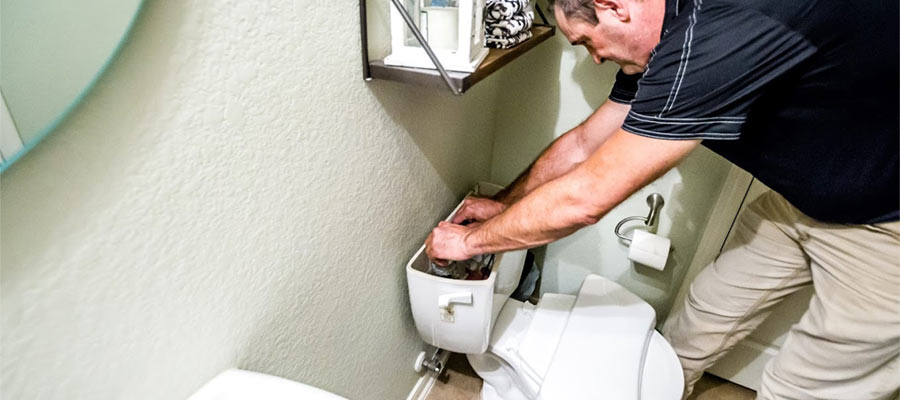
DIY Toilet Leak Repair: Avoid Costly Plumbing Mistakes
DIY toilet leak repair can lead to costly mistakes for Houston, TX homeowners if not done correctly. Common errors include improper seal installation, overtightening connections, or ignoring hidden leaks, which can cause water damage and high utility bills. Professional plumbers provide precise toilet repair, toilet replacement, and leak detection to resolve issues safely and effectively. Timely expert service protects fixtures, prevents further plumbing problems, and ensures reliable water flow. Houston homeowners benefit from professional repairs that save time, reduce risks, and maintain long-term plumbing system performance.
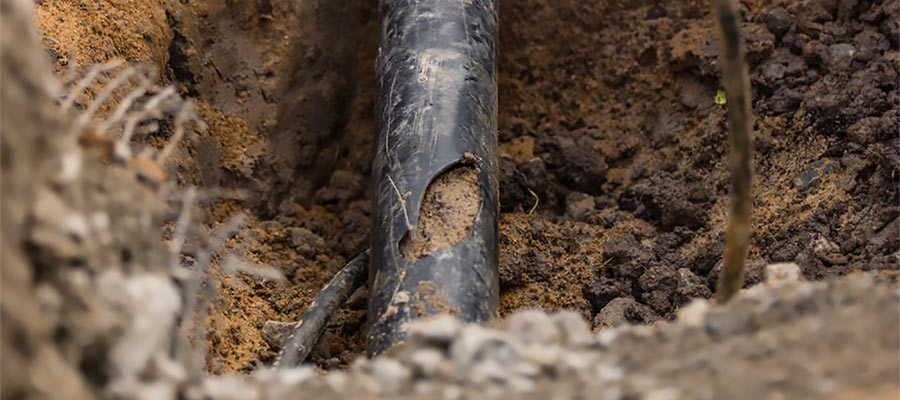
How to Prevent Broken Pipes in Winter: A Houston Homeowner’s Guide
Preventing broken pipes in winter is essential for protecting Houston, TX homes from water damage and costly repairs. Freezing temperatures can cause pipes to crack or burst, leading to leaks and structural damage. Homeowners should insulate exposed pipes, maintain consistent indoor temperatures, and schedule professional leak detection and pipe leak repair as needed. Skilled plumbers can identify vulnerable areas and provide preventative maintenance to reduce winter plumbing risks. Taking proactive measures helps ensure reliable water flow, protects property, and avoids emergency plumbing issues during Houston’s colder months.
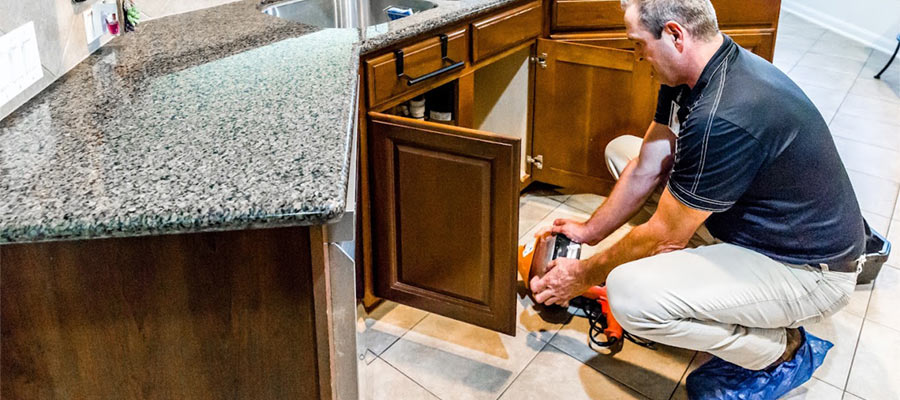
Kitchen Plumbing Mistakes That Could Cost You
Kitchen plumbing mistakes can lead to leaks, clogs, and costly repairs for Houston, TX homeowners. Common errors include improper faucet installation, neglecting drain cleaning, and failing to address small leaks promptly. Professional plumbers provide expert kitchen plumbing installation, faucet repair, and pipe leak repair to prevent long-term damage. Timely service ensures efficient water flow, protects cabinets and countertops, and avoids emergency plumbing issues. Trusting skilled experts helps Houston homeowners maintain a reliable, high-performing kitchen plumbing system while reducing unnecessary expenses.
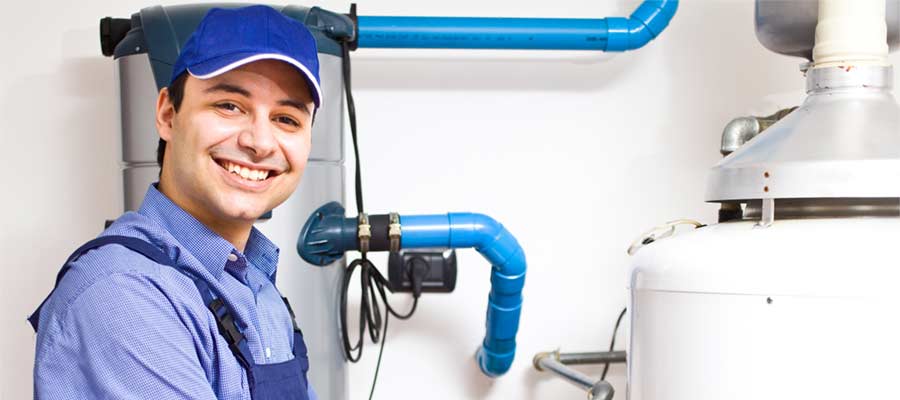
Water Heater Leak Repair in Houston, TX: What Homeowners Need to Know
Water heater leak repair is critical for preventing water damage and maintaining reliable hot water in Houston, TX homes. Even small leaks can cause corrosion, mold growth, and higher utility bills if left unaddressed. Professional plumbers provide accurate leak detection, water heater repair, and water line repair to resolve issues safely and efficiently. Timely service protects surrounding plumbing, extends the lifespan of the unit, and restores consistent hot water. Houston homeowners benefit from expert water heater leak repair that safeguards property and ensures long-term system performance.
More Info Related to Gas Water Heater Repair in or near Spring
Homeowners in Spring depend on steady hot water every day, and when a gas water heater starts failing, quick action is essential. Our licensed and insured plumbers provide professional installation, repair, and replacement services tailored to the demands of Houston-area homes. From ignition troubleshooting to full system upgrades, we help restore efficiency, safety, and comfort. For fast, reliable service backed by decades of experience, call (713) 853-9881 to schedule your appointment today.