
Same Day Gas Water Heater Installation, Repairs, or Replacement in Fort Bend County, TX.
Why Expert Gas Water Heater Services Matter for Homes in Fort Bend County
Gas water heaters in Fort Bend County operate under demanding conditions created by heavy household usage, fluctuating seasonal temperatures, and the mineral-rich water common throughout the region, all of which place extra stress on ignition components, burners, tank linings, and safety controls. While homeowners might observe subtle issues such as unreliable hot water delivery, longer recovery periods, or intermittent pilot light function, these symptoms commonly point to more serious malfunctions that demand expert assessment. Since gas-powered water heaters rely on controlled combustion, proper venting, and regulated gas pressure, any performance deviation requires prompt professional attention to avoid safety risks or costly breakdowns. Skilled technicians bring specialized experience with regional codes, venting configurations, and the safety requirements unique to Fort Bend County, ensuring that every inspection or repair begins with a clear understanding of system behavior and risk factors. When gas water heaters display symptoms of aging, internal corrosion, or failing parts, licensed experts help families understand whether repair investments make sense or whether new equipment installation delivers superior long-term returns. Professional recommendations shield households from preventable failures while maintaining safe, cost-effective operation aligned with the property’s hot water requirements.
Typical Gas Water Heater Issues Found in Fort Bend County
Homeowners in Fort Bend County frequently encounter issues such as slow water heating, fluctuating temperatures, or total loss of hot water, each of which may indicate hidden problems in ignition components or burner assemblies. Pilot lights may fail repeatedly due to worn thermocouples, dirty flame sensors, or insufficient gas flow, while burner performance declines when sediment buildup restricts heat transfer. Scale buildup resulting from Fort Bend County’s hard water conditions slowly decreases available tank space and increases runtime necessary to provide adequate hot water. This additional burden speeds the breakdown of temperature regulators, gas delivery components, and pressure management devices, raising the probability of system leaks or dangerous failures. In the absence of licensed inspection, property owners could misjudge indicators and repeatedly adjust settings or restart ignition, hiding serious malfunctions that need experienced technical analysis.
Combustion irregularities are another common issue for gas water heaters in Fort Bend County, often producing soot buildup, noisy operation, or inconsistent heating behavior. Poor draft conditions allow exhaust gases to linger inside the combustion chamber, disrupting flame stability and triggering shutdowns. Brown or metallic-looking water typically reveals internal rust formation, which advances quickly once the protective anode element exhausts its useful life. Tank integrity problems frequently emerge unnoticed in attic or garage installations, where water heaters often receive infrequent visual examination. Expert evaluations enable property owners to differentiate between normal service requirements and preliminary indicators of impending equipment breakdown.
How Licensed Technicians Evaluate Gas Water Heater Performance in Fort Bend County
Thorough troubleshooting starts with evaluation of ignition response, combustion characteristics, and burner component health, each offering essential insights into overall system status. Technicians analyze flame appearance, airflow patterns, and ignition response to identify whether issues stem from component wear, airflow restrictions, or fuel supply inconsistencies. Inspections include evaluation of thermocouples, igniters, and flame sensors to determine whether part replacement is necessary. Supply pressure verification ensures adequate gas flow for proper operation, especially critical in residences with multiple gas appliances competing for fuel. Precise troubleshooting demands comprehension of how flame dynamics, airflow management, and hardware elements combine to maintain secure operation.
Internal tank assessments are also critical during diagnostic evaluations, especially in Fort Bend County homes where mineral-heavy water accelerates sediment accumulation and corrosion. Technicians inspect for weakened tank linings, depleted anode rods, and noisy operation indicative of internal wear. These issues often signal that the heater is approaching the end of its service life and may require replacement to prevent leaks or structural failure. By identifying these concerns early, professionals help homeowners avoid costly emergency situations and maintain safe operation.
Flue operation and ventilation patterns constitute additional focal areas during diagnostic examinations. Experts review chimney configuration, ventilation flow, and draft power to verify safe combustion gas removal. Within aging Fort Bend County properties, exhaust configurations might fail to satisfy modern safety regulations, elevating the importance of expert assessment. Inadequate ventilation may result in inefficient burning or toxic gas hazards, rendering correct exhaust function crucial for secure system use.
Why Professional Gas Water Heater Work Provides Long Term Value in Fort Bend County
Choosing licensed professionals for gas water heater service in Fort Bend County provides homeowners with an unmatched level of safety, reliability, and long term performance that simply cannot be achieved through guesswork, partial fixes, or untrained labor. Trained specialists recognize how burner operation, ventilation performance, gas supply, and structural soundness operate as integrated elements, suggesting that malfunctions in one sector commonly point to progressive deterioration in additional areas. When professionals assess a heater, they evaluate each component’s condition, measure gas pressure, confirm proper ventilation, and verify that temperature controls respond appropriately, creating a complete picture of the heater’s health. This strategy simultaneously fixes present malfunctions and blocks subsequent failures by uncovering masked dangers like failing valves, exhausted sacrificial rods, or interior oxidation. Property owners who depend on professional maintenance escape the pattern of recurring failures, inflated energy costs, or expensive crisis installations, instead achieving consistent operation and reliable hot water supply year-round. The benefit of qualified service becomes particularly evident in aging Fort Bend County properties, where outdated equipment might not satisfy contemporary safety requirements and where expert attention assists in upgrading installations to comply with present-day codes.
Another key benefit of choosing professional service in Fort Bend County is the assurance that all work complies with regional codes and manufacturer specifications, a requirement that protects warranties and prevents liability issues if the home is sold or inspected. Countless units placed in prior decades were located in attics, storage spaces, or garages missing sufficient ventilation or contemporary safety components, and these aging arrangements commonly generate problems as structures grow older. Experts determine if ventilation ducts meet appropriate specifications, ensure combustion oxygen demands are fulfilled, and verify safety valve operation, tackling matters that unqualified technicians could ignore. If a water heater receives improper installation or maintenance, results may involve exhaust reversal, fuel buildup, flooding damage, or building degradation, each bringing substantial remediation expenses. With expert attention, homeowners protect their property while ensuring their heater remains safe for everyday use. Expert service additionally eases the equipment upgrade process when necessary, since thoroughly recorded installations facilitate subsequent evaluations, warranty processing, and insurance assessments.
Expert maintenance additionally enhances sustained efficiency for gas water heaters in Fort Bend County, particularly in properties where hard water hastens mineral accumulation within the vessel. As mineral deposits coat the flame zone, the system operates more intensely and extensively to warm water, elevating gas usage and accelerating internal part deterioration. Professionals drain mineral deposits, examine protective anodes, and adjust temperature regulators, reestablishing peak heat exchange and minimizing excess fuel consumption. Across years, this care decreases energy expenses and prolongs equipment lifespan, diminishing the total cost of operation. For residences with significant hot water consumption, qualified analysis verifies the system aligns properly to fulfill everyday needs without constant operation or thermal stress. These operational enhancements multiply across the system’s working life, establishing professional service as a financially prudent selection alongside its protective advantages.
Making the Right Choice: Repair or Replace Your Gas Water Heater in Fort Bend County
Determining whether to repair or replace a gas water heater in Fort Bend County requires a careful evaluation of the system’s age, performance history, safety condition, and long term cost implications. Standard equipment functions eight to twelve years, while units subjected to constant use, hard water conditions, or insufficient maintenance could fail prematurely. When a heater approaches this age range, frequent breakdowns, noisy operation, or declining efficiency often indicate that repair efforts will provide only temporary relief. Licensed technicians evaluate flame stability, burner cleanliness, tank integrity, and gas valve operation to determine whether the system still has enough remaining life to justify repair. When rust has undermined internal elements or when the sacrificial anode has exhausted to where tank corrosion becomes certain, replacement generally constitutes the safer and more financially sensible alternative. Residents who defer replacement commonly experience increased utility expenses, troublesome malfunctions, or property damage from leaks that emerge suddenly. Conversely, installing a modern, high-efficiency system in place of an aging unit guarantees reliable operation and reduced fuel consumption, especially in environments like Fort Bend County, where consistent hot water demand persists across all seasons.
Fixing a water heater might represent the appropriate decision when problems consist of singular part defects like failing thermocouples, exhausted ignition devices, defective sensors, or moderate mineral buildup that hasn’t yet compromised the vessel’s structural soundness. These corrections recover functionality rapidly and cost-effectively, especially when the system stays within its projected useful lifespan. However, when the heater struggles with inconsistent temperatures, takes too long to recover, or exhibits repeated ignition failures, these symptoms often suggest deeper mechanical issues that will continue to resurface over time. Technicians also consider the heater’s efficiency rating, as older models consume more gas than modern high efficiency units, raising monthly utility costs for homeowners in Fort Bend County. Should repair bills reach or exceed fifty percent of replacement pricing, purchasing new equipment usually offers improved long-term value, enhanced reliability, and upgraded safety technology.
The choice between fixing and replacing additionally relies on the state of supporting systems, encompassing exhaust pathways, fuel supply lines, and plumbing connections. In some Fort Bend County homes, outdated venting systems cannot safely support newer burner designs or higher efficiency heaters, making replacement the only viable option when code compliance is considered. Professionals assess if the present fuel delivery satisfies equipment specifications and if the exhaust route complies with modern safety codes. If corrections are necessary, installing a new heater becomes more practical, since the home must already undergo infrastructure modifications. Alternatively, if auxiliary systems continue in sound condition and the system’s age lies within acceptable parameters, strategic repairs can reestablish performance without the expenditure of total replacement. Homeowners rely on professional guidance to understand these tradeoffs and to ensure that any decision prioritizes safety, comfort, and long term financial value.
Finding the Ideal Gas Water Heater for Your Fort Bend County Property
Identifying the optimal gas water heater for your Fort Bend County residence necessitates knowledge of household consumption, efficiency classifications, ventilation specifications, and physical placement options, all shaping long-term functionality and operating costs. Residents commonly miscalculate how routine habits, family composition, and simultaneous usage patterns influence the heater’s load, producing systems that cycle excessively or cannot sustain adequate temperatures. Certified technicians analyze these behaviors and suggest storage volumes or advanced-efficiency models that align with the property’s actual requirements, guaranteeing dependable reheat periods and minimized fuel usage. Frequently, legacy equipment installed years past was dimensioned using obsolete criteria or restricted product choices, creating systems that no longer match contemporary comfort standards or efficiency benchmarks. With professional guidance, homeowners can select models that improve reliability, lower fuel costs, and provide consistent hot water throughout the home.
In addition to size and performance, Fort Bend County property owners must evaluate the equipment location, exhaust limitations, and the suitability of current fuel supply lines, all affecting equipment choice and installation expense. Attic placements, typical in numerous aging properties, might restrict choices for expanded storage or advanced-efficiency models that demand improved exhaust systems or moisture control. Professionals analyze these spatial complications and deliver plain advice that reconciles functionality, protection, and achievable installation parameters. This evaluation often reduces long term expenses by ensuring the chosen heater integrates seamlessly with the home’s infrastructure, preventing future problems related to venting, gas flow, or water distribution. By working with licensed experts, homeowners avoid costly missteps and select a heater that delivers stable, efficient service for years to come. For fast, reliable service backed by decades of experience, call (713) 853-9881 to schedule your appointment today for maintaining a gas water heater in Fort Bend County requires periodic inspections, sediment flushing, and monitoring of ignition components to ensure stable operation and prevent long term deterioration!
FAQs About Gas Water Heater Installation, Repair, & Replacement in Fort Bend County
What should I expect during a gas water heater installation in Fort Bend County?
A professional gas water heater installation in Fort Bend County begins with a full inspection of your existing system and gas lines. The old unit is removed safely, and the new heater is positioned and connected according to local codes. Next, the installer runs safety checks, ignition tests, and temperature evaluations to confirm correct operation.
How long does gas water heater installation or repair usually take in Fort Bend County?
Most technicians finish the installation within a two-to-four-hour window barring complications. Minor repairs generally take less than an hour to resolve. If venting or gas-line updates are needed, the job may take longer.
How do I know if my gas water heater needs service?
Common signs include inconsistent hot water, unusual noises, or difficulty keeping the pilot lit. Tank sediment can hamper efficiency and cause overheating. Prompt repairs keep the system running safely and prevent major breakdowns.
How expensive is gas water heater installation or repair in Fort Bend County?
Costs shift with tank size, venting complexity, and any required safety upgrades. Typical Fort Bend County pricing falls within a broad yet consistent range based on the home. Repairs are generally more affordable and depend on the component that failed.
Does Fort Bend County require permitting for gas water heater installs?
Yes, Fort Bend County typically requires a permit for gas water heater replacement or installation. Permits help ensure the work meets code and follows proper safety standards. Your licensed plumber can usually handle the permit process on your behalf.
For reliable gas water heater installation, repair, or replacement in Fort Bend County, homeowners trust a licensed and insured Houston plumbing team with decades of experience serving local families. Our technicians provide thorough evaluations, clear recommendations, and code-compliant service designed to protect your home and restore dependable hot water. Whether you are facing inconsistent temperatures, aging equipment, or a sudden breakdown, we deliver timely support and long-term solutions that match the needs of Fort Bend County homes. Call (713) 853-9881 today or visit plumbing.johnmooreservices.com to schedule professional service you can count on year round.
John Moore Plumbing Services
10005 West Sam Houston Pkwy N
Houston, Texas 77064
Phone: (713) 853-9881
Website: plumbing.johnmooreservices.com
Articles Related to The BEST Gas Water Heater Installation in Fort Bend County


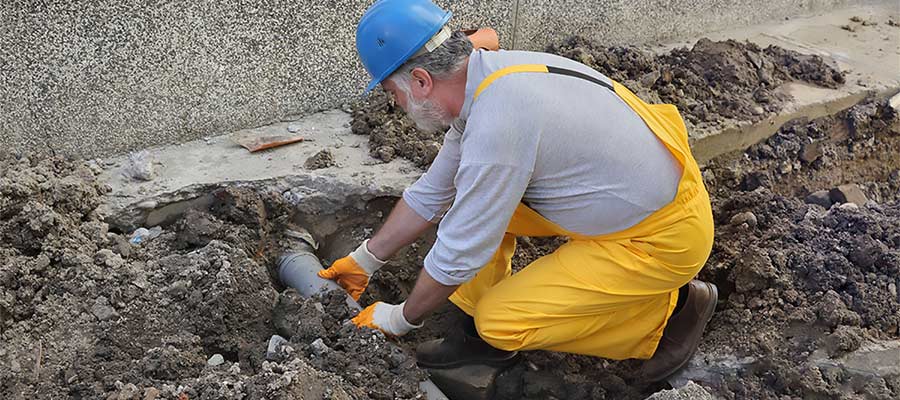
Types of Plumbing Work for Commercial and Residential Services in Houston, TX
Plumbing work in Houston, TX covers a wide range of services for both residential and commercial properties. Skilled plumbers handle emergency plumbing service, drain cleaning, and water heater repair to keep systems running efficiently. Additional services include pipe leak repair, toilet repair, water line repair, and sewer line inspection to address routine maintenance and urgent issues. Professional plumbing ensures code compliance, prevents property damage, and extends the lifespan of fixtures and pipes. Houston homeowners and business owners benefit from expert plumbing solutions that maintain reliable water flow and long-term system performance.

The Importance of Main Sewer Line Repair for Your Plumbing System
Main sewer line repair is critical to keeping residential and commercial plumbing systems in Houston, TX operating safely and efficiently. Damage or blockages in the main sewer line can cause backups, slow drains, and serious property damage if ignored. Professional plumbers perform sewer line inspection to identify issues early and recommend sewer line repair or hydro-jetting when appropriate. Timely repairs help restore proper flow and prevent contamination risks. Maintaining a healthy main sewer line protects plumbing infrastructure, avoids emergency plumbing service, and supports long-term system reliability.
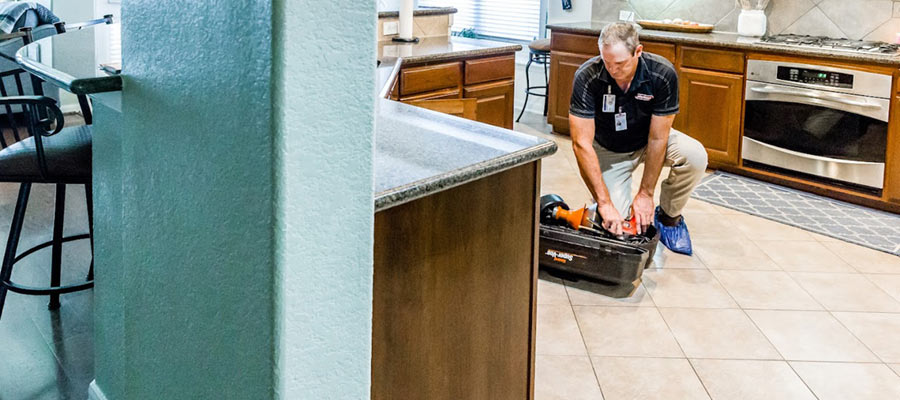
The Importance of Professional Garbage Disposal Installation
Professional garbage disposal installation is crucial for ensuring safe, efficient, and reliable operation in Houston, TX kitchens. Proper installation prevents leaks, clogs, and electrical issues that can damage sinks and plumbing systems. Skilled plumbers handle precise connections, faucet installation, and ensure compliance with local plumbing codes. Expert service extends the lifespan of the disposal, maintains consistent performance, and reduces the risk of costly repairs. Houston homeowners benefit from smooth, hassle-free kitchen plumbing when garbage disposals are installed by trained professionals.

Commercial Plumbing Services in Houston, TX You Should Know About
Commercial plumbing services in Houston, TX keep businesses operating smoothly with reliable, code‑compliant systems tailored to commercial needs. Expert plumbers handle everything from commercial plumbing maintenance and emergency plumbing service to sewer line repair and hydro‑jetting for large‑scale drain issues. These services help prevent downtime, protect property, and ensure efficient water flow for restaurants, offices, and industrial facilities. Timely inspections and repairs reduce the risk of costly failures and liability. Houston businesses benefit from professional plumbing solutions that enhance safety, performance, and long‑term operational reliability.
Additional Links About Gas Water Heater Installation in or near Fort Bend County
Homeowners in Fort Bend County depend on steady hot water every day, and when a gas water heater starts failing, quick action is essential. Our licensed and insured plumbers provide professional installation, repair, and replacement services tailored to the demands of Houston-area homes. From ignition troubleshooting to full system upgrades, we help restore efficiency, safety, and comfort. For fast, reliable service backed by decades of experience, call (713) 853-9881 to schedule your appointment today.