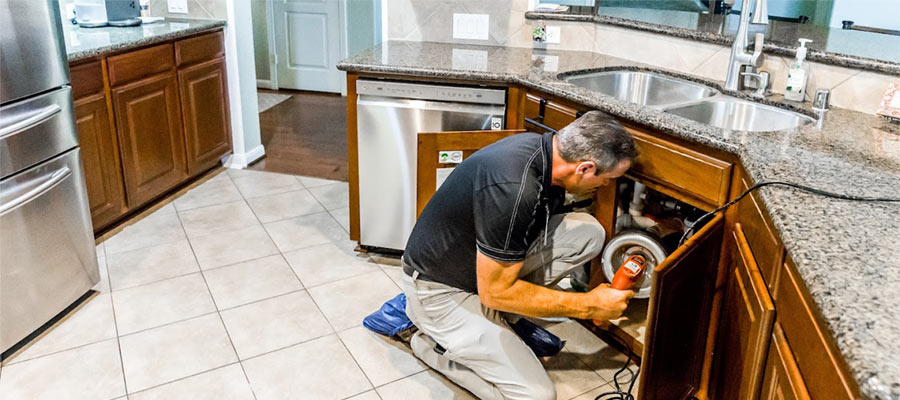
Flip the switch and nothing happens. Or it hums but won’t spin. Or water’s backing up into the sink because something’s clogged. Or there’s water dripping into the cabinet underneath.
Garbage disposals fail in a few predictable ways. Some you can fix yourself in ten minutes. Others need professional help. Knowing which is which saves you from making things worse or paying for repairs you didn’t need.
Here’s what actually goes wrong with disposals and what to do about each problem.
Garbage Disposal Basics
| What You’re Wondering | Straight Answer |
| How long do they last? | 8 to 12 years with decent maintenance. Less if you abuse them. |
| What’s the repair cost? | $125 to $450 in Houston depending on what’s wrong. |
| What about replacement? | $350 to $900 installed. Sometimes it makes more sense than repairing. |
| Common problems? | Clogs, leaks, jammed motor, won’t turn on. Those cover about 90% of failures. |
| Houston-specific? | Humidity wears out gaskets faster. Rubber parts degrade quicker here. |
Why This Matters
A broken disposal makes your kitchen sink unusable. Water backs up, you can’t wash dishes, food waste sits and rots, and a smell develops fast.
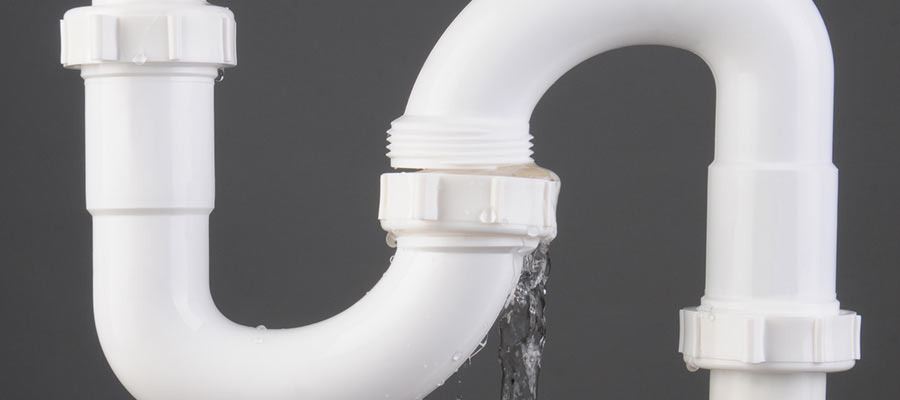
Leaking disposal is even worse. Water dripping into the cabinet damages everything underneath. Particle board swells, mold starts growing, and the subfloor can rot if it goes on long enough.
Fixing problems early prevents all that. Small repair beats cabinet replacement every time.
Problem: Disposal Is Clogged
Water drains slowly or not at all. Might hear gurgling. Definitely smell something unpleasant. Food debris, grease, coffee grounds, and fibrous stuff like celery. All of it can clog the grinding chamber or drain pipe.
First step: turn off the power. Find the breaker and flip it. Don’t mess with the disposal while it can still turn on.
Look for the Allen wrench slot on the bottom of the disposal. Most units have one. Insert an Allen wrench and rotate back and forth. This manually moves the grinding plate and can dislodge whatever’s stuck.
If that doesn’t work, fill the sink with a few inches of water and use a sink plunger. Different from a toilet plunger. Creates pressure that can force debris through.
Once cleared, run hot water for a minute to flush everything through. Still clogged? Internal components might be worn, or the blockage is further down the drain line. That’s when you need help.
Problem: Disposal Is Leaking
Water in the cabinet under the sink. Could be coming from a few different places.
Check the sink flange where the disposal connects to the drain opening. Connections can loosen over time. Check the discharge pipe where waste exits the disposal. Check the dishwasher drain line if you have one connected.
Loose connections might just need tightening. Don’t go crazy with force, but snug them up.
If the leak’s from the gasket or seal, those can be replaced. Rubber degrades over time, especially in Houston’s humidity. Gaskets get brittle and stop sealing properly.
Leak from the bottom of the disposal itself? That usually means the internal seals have failed. It often makes more sense to replace the whole unit than try to repair it.
Problem: Disposal Hums But Won’t Spin
The motor’s trying to run, but something’s stopping it. Usually a jam. The fork fell in, the bone got wedged, and something solid was blocking the blades.
Turn off the power first. Cannot stress this enough. Then use the Allen wrench in the bottom slot to manually rotate the grinding plate. Feel for resistance and work it back and forth until it moves freely.
Once cleared, find the reset button. Small red button usually on the bottom of the unit. Press it. This resets the motor after it overheats from trying to run while jammed.
Turn power back on and test. Runs normally? Problem solved. Still just humming? The motor might have seized from the strain. That’s replacement territory.
Problem: Disposal Won’t Turn On At All
Nothing happens when you flip the switch. Dead silence. Could be several things.
Check if it’s plugged in. Sounds obvious, but connections can work loose under the sink. Make sure the plug is firmly seated.
Check the circuit breaker. Kitchen outlets draw a lot of power. The breaker might have tripped. Reset it and try again.
Check the reset button on the disposal itself. If it popped out, something caused an overload. Press it back in and test.
Try the wall switch. Switches wear out, especially in older homes. If switching a working outlet shows the disposal is fine, the switch needs replacing.
None of that working? Internal wiring or motor failure. Need a professional diagnosis at that point.
Safety When Working on Disposals
Power off before doing anything. Not just the switch, the breaker. Disposable blades are sharp, and the motor is powerful. Unexpected startup while your hand’s in there is bad news.
Never reach into the drain opening with your fingers. Use tongs, pliers, or a flashlight to see what’s going on. People lose fingertips to disposals. Not worth the risk.
If something requires you to disconnect the unit, make sure the power’s off at the breaker and the plug is disconnected. Double-check before touching any wiring.
Repair vs. Replace
Some repairs make sense. Some don’t.
Unit less than five years old with a simple clog or loose connection? Repair it.
Unit over ten years old with leaking from the body or motor problems? Replace it. Spending $300 to repair something that’s going to fail again in a year doesn’t make sense.
Newer disposals grind better, run quieter, and use less energy. If yours is aging out, replacement often gives you a better unit for a similar cost to a major repair.
Houston Conditions
Humidity affects disposal longevity here. Rubber gaskets and seals degrade faster in moist air. Units might need repairs or replacement sooner than they would in drier climates.
More homeowners are upgrading to multi-stage grinding systems and units with antimicrobial components. Better performance, less smell, longer life.
Older Houston homes especially tend to have aging disposals. Original units from the 90s or early 2000s reaching end of life. Expect to see more failures and replacements as these age out.
FAQs
How long should a garbage disposal last?
8 to 12 years with regular maintenance. Avoid putting the wrong stuff down it and run water while grinding. Extends the life significantly.
Why does my disposal smell bad?
Food debris, grease, and bacteria building up inside. Grind ice cubes with salt to clean the blades. Add citrus peels for freshness. Do this monthly.
Can I put grease down the disposal?
No. Goes down liquid, solidifies in the pipes, and creates clogs. Wipe greasy pans with paper towels before washing. Grease goes in the trash.
What foods should I avoid?
Bones, eggshells, coffee grounds, potato peels, pasta, and rice. Fibrous stuff like celery wraps around the blades. Starchy foods expand and clog. None of it belongs in the disposal.
Is a humming disposal dangerous?
Can be. The motor is straining and can overheat. Turn it off immediately and clear the jam before trying again. Running it while jammed burns out the motor.
John Moore Services
When the disposal’s beyond what you can fix yourself, John Moore handles it. Repair or replacement, same-day service usually. Know which problems need which solution.
Fifty years of Houston plumbing. Understand local conditions, carry common parts, and get kitchens back to working fast. Call (713) 730-2525 or visit JohnMooreServices.com.