The toilet won’t flush. Water’s rising instead of draining. You’re standing there with a plunger, wondering how bad the situation is about to get.
Most clogged toilets can be fixed with basic tools and a few minutes of effort. Plunger usually handles it. Sometimes you need a snack. But some clogs go deeper than the toilet itself, and no amount of plunging will clear them.
Knowing the difference saves you from making things worse. Here’s what actually works, what doesn’t, and when to admit defeat and call someone.
Clogged Toilet Basics
| What You Want to Know | Honest Answer |
| What does it cost to fix? | $150 to $350 for typical clogs. If the clog is deep in the line, the cost can reach up to $600. |
| Can I fix it myself? | Minor clogs, yes. Plunger handles most of them. Deeper blockages need a pro. |
| Why does this problem keep happening? | Flushing stuff that shouldn’t be flushed. Too much toilet paper. Or it could be a bigger issue in the mainline. |
| How do I prevent it? | Only use toilet paper and human waste. Literally nothing else. Ever. |
| Houston-specific? | Tree roots invade sewer lines here frequently. Old neighborhoods especially. |
What Actually Causes Clogs
The toilet is designed for two things. Toilet paper and human waste. That’s it. Everything else causes problems eventually.
“Flushable” wipes aren’t really flushable. They go down, but they don’t break apart like toilet paper does. Accumulate in the pipe, combine with other stuff, and create blockage. Paper towels, same thing. Feminine products, cotton swabs, and dental floss. All of it causes clogs.
Even toilet paper can clog things if you use too much at once. Cheap, thick paper that doesn’t dissolve will worsen it.
Sometimes the problem isn’t what you flushed down the toilet. Older pipes can have partial blockages, buildup, or misalignment that restricts flow. Everything functions properly until a single flush causes it to overflow.
In Houston, tree roots are a common culprit. They find sewer lines, grow into them, and block flow. It looks like a toilet clog, but it’s actually happening underground in your yard.
Warning Signs Before Complete Blockage
Toilets usually give warning before they clog completely. Pay attention, and you can address things before they get serious.
The water should drain slowly after flushing. Should go down quickly. If it’s sluggish, something’s restricting flow.
The toilet produces gurgling sounds when you haven’t flushed. Air trapped in the pipes is trying to escape. This indicates a blockage in the normal flow of water.
The water level was higher than normal before draining. Blockage creating back pressure.
When you flush, the water backs up into other fixtures. That’s the serious one. It means the clog is in the main line, not just the toilet. Everything downstream from the blockage backs up.
Catch these early. Partial blockages are easier to clear than complete ones.
Why You Shouldn’t Ignore It
Hoping it clears itself doesn’t work. Clogs don’t dissolve on their own. They get worse.
Untreated blockage eventually causes overflow. Sewage on your bathroom floor. Damage to flooring, subfloor, and maybe the ceiling below if you’re on an upper story. Water damage spreads fast.
Sewage backup brings bacteria and health risks. Not just unpleasant. Actually harmful.
Repeated flushing while trying to clear the clog wastes water and raises your bill. Multiple flush attempts on a blocked toilet can also cause overflow.
Fix it now. Don’t wait for the mess.
DIY Methods That Actually Work
Start with a plunger. This plunger should not be the flat rubber type commonly used in sinks. Get a flange plunger with the extended rubber piece that fits into the toilet drain. This design improves the seal and increases the pressure.
Position the plunger to cover the drain completely. Push down firmly, then pull up sharply. Repeat with controlled force. You’re creating suction to dislodge the blockage. Although it requires effort, this method effectively removes most clogs.
Hot water and dish soap can help with soft clogs. Mix a few drops of soap into hot water (not boiling; that can crack porcelain). Pour into the bowl, let it sit fifteen minutes, then flush. Soap lubricates; hot water loosens.
A plumbing snake works on stubborn clogs the plunger can’t clear. Insert the coiled end into the drain and turn the handle to extend it down the pipe. When you hit resistance, twist and push to break through or hook the blockage. Pull it back out.
Be gentle with the snake. You are too aggressive, and you can scratch the porcelain or damage the pipe.
None of these working? Clogs are either too deep or too solid for home tools.
When to Call a Plumber
You’ve plunged. You’ve snaked. Clogs are still there. It’s time to pause and contact a professional.
The same toilet keeps clogging even after you clear it. Something deeper is causing repeated blockages.
A foul odor emanates from either the toilet or the drains. Sewage is trapped somewhere in the system.
Multiple fixtures backing up. Toilet, sink, and tub all draining slowly or backing up? Main sewer line issue. Beyond toilet-level fixes.
The problem could be as simple as water overflowing or sewage backing up into the house. Emergency. Please refrain from attempting to fix it yourself and seek professional assistance immediately.
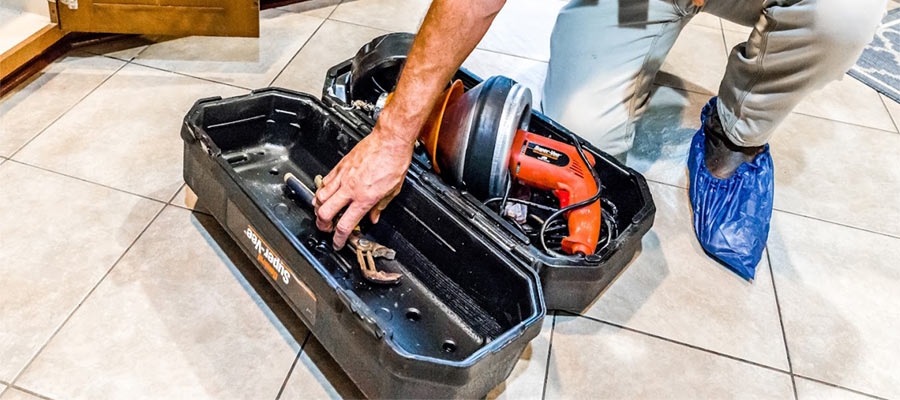
Professionals have camera inspection equipment that shows exactly where the blockage is and what’s causing it. Professionals are capable of clearing obstructions beyond your reach and identifying issues such as root intrusion or collapsed pipes.
Keeping It From Happening Again
Only flush toilet paper and waste. Seriously. Nothing else. Do not use wipes, cotton balls, or “just this once” products.
Use reasonable amounts of toilet paper. If you need a lot, flush halfway through rather than trying to send everything down at once.
Consider annual drain cleaning if you have old pipes or recurring issues. Professional cleaning removes buildup before it causes complete blockage.
Make sure everyone in the house knows the rules. Kids especially need to understand what toilets can and can’t handle. Common causes of clogs in family homes include toys, excessive toilet paper, and random objects. Common causes of clogs in family homes include toys and excessive toilet paper.
FAQs
Can I use chemical drain cleaners?
Skip them. They can damage porcelain and corrode pipes. A plunger and snake work better anyway. If those don’t clear it, chemicals won’t either.
Why does my toilet keep clogging after I fix it?
Most likely, there is a deeper blockage that is beyond your reach. It could be a buildup further down the line, a root intrusion, or a vent pipe issue. Professional inspection finds the actual cause.
How long does repair take?
A standard clog takes 30 to 60 minutes to clear. Main line blockages can take several hours and need specialized equipment.
Are flushable wipes actually flushable?
Nope. Marketing term, not reality. They go down the toilet but don’t dissolve properly. Because it clogs constantly. Throw them in the trash.
How do I know if it’s a main sewer line problem?
Several drains are backed up simultaneously. Sewage smell in the house. Water is entering the house through the floor drains. Any of those means “mainline.” Call immediately.
John Moore Services
John Moore Services has been unclogging toilets in Houston for fifty years. Simple blockages and mainline disasters, both. We use a camera inspection to identify the root cause of the problem and utilize the appropriate equipment to effectively remove it.
When the plunger’s not working and you need real help, call (713) 730-2525 or visit JohnMooreServices.com.