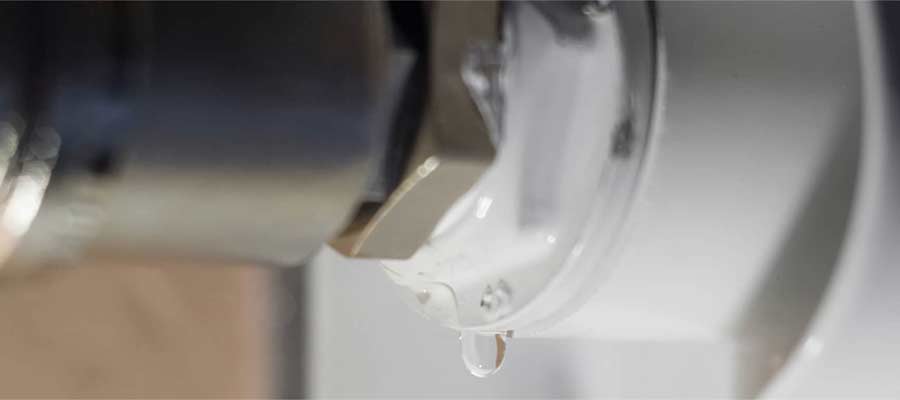
Water pressure’s weird. The water pressure may be weaker than usual, or it may fluctuate without any apparent reason. Or maybe there’s a damp spot on the wall that definitely wasn’t there last week. Somewhere in your house, water’s going where it shouldn’t.
Pipe leaks start small. Drip here, tiny seep there. Easy to ignore. The problem is they don’t stay small. Water finds its way through walls, under floors, and into places you can’t see. By the time you notice real damage, the leak’s been going for a while.
Catching leaks early saves money and headaches. Knowing what causes them helps prevent the next one. Here’s what Houston homeowners need to know about pipe leaks.
Water Pipe Leak Basics
| What You’re Wondering | Straight Answer |
| How long do pipes last? | Copper lasts 50 to 70 years. PVC lasts 25 to 40 years. Galvanized steel: 20 to 50, depending on conditions. |
| What’s the repair cost? | $150 to $1,200 depending on how serious it is and where the leak is. |
| Why do pipes leak? | There are several reasons why pipes leak, including corrosion, freezing, high pressure, tree roots, and sloppy installation. Pick one or combine a few. |
| How do plumbers find leaks? | Plumbers use visual inspection, moisture sensors, and acoustic devices to detect water movement inside walls. |
| Houston-specific stuff? | Clay soil shifts pipes around. Humidity speeds up corrosion. Hard water builds scale. Not a gentle environment. |
Why Pipes Start Leaking
Usually, it’s not due to anything you’ve done wrong. Pipes fail for reasons that have nothing to do with how you use them.
Age and corrosion are the big ones. Metal pipes react with water over decades. Inside surfaces, they pit and weaken. Eventually it gets thin enough that pressure finds a way through. Houston’s humidity makes these changes happen faster.
Bad installation catches up eventually. Joints tightened incorrectly, connections threaded poorly, and pipes supported inadequately. It may take years for the consequences of sloppy work to manifest.
Temperature swings stress pipes. This area rarely freezes, but when it does, the water expands, causing the pipes to crack. Even without freezing, constant expansion and contraction from hot and cold water weakens joints over time.
High water pressure wears everything out faster. Constantly stressed pipes and fittings fail sooner. Above 80 psi, it’s too high for most residential systems.
Physical damage from outside. Tree roots have the potential to crush underground lines. Nail through a pipe during renovation. The foundation is shifting and pulling pipes with it. External forces can cause damage to otherwise intact structures.
Signs You’ve Got a Leak
The water bill goes up for no obvious reason. You’re not using more water but paying more anyway. Something’s leaking somewhere.
The walls or floors are displaying damp spots. There are signs of discoloration, bubbling paint, and soft drywall. Water’s getting in from somewhere behind the surface.
There is a persistent musty odor in the area. Mold is starting to grow where moisture’s collecting. You might not see it, but you can smell it.
Puddles are forming in unexpected locations. Puddles are forming under cabinets, near water heaters, and around appliances. Unknown sources are causing water to pool.
Weak water flow at faucets and showers. Pressure is dropping because water’s escaping before it reaches the fixture.
Sounds inside walls when water’s not running. Hissing, dripping, gurgling. Pipes making noise they shouldn’t make.
Are any of these symptoms present? Don’t wait to investigate. Leaks don’t fix themselves, and they don’t stop growing.
Fixing Different Types of Leaks
Small pinholes in pipes can be patched temporarily. You can use epoxy putty, pipe clamps, and rubber patches to temporarily fix small pinholes in pipes. This solution temporarily halts the leakage. But temporary fixes are temporary. Plan for real repair.
Leaky joints often just need tightening or resealing. Use plumber’s tape on the threads, install new washers, and improve the connections. Sometimes the simplest fix works.
Cracked pipes need section replacement. Cut out the damaged part, and splice in a new pipe. A crack that continues to spread cannot be repaired.
Leaking valves might need packing tightened or replaced. Shutoff valves, especially, sit unused for years and are then suddenly required to work.
Are there any major issues, areas that are difficult to access, or areas that you lack confidence in? Call a professional. Bad DIY plumbing creates bigger problems than it solves.
What Repairs Cost
Small visible leaks run $150 to $300. The job is easy to access, simple to fix, and straightforward.
Hidden leaks or pipe replacement costs $500 to $1,200 or more. The process involves opening walls, identifying the damage, making the necessary repairs, and then re-closing everything. More involved work.
Pipe material affects cost. Copper costs more to work with than PEX. Older galvanized steel can be difficult to repair without replacing larger sections.
Location matters a lot. The location of a pipe is crucial, whether it’s in an accessible crawlspace or beneath a concrete slab. The repair cost for the same leak can vary significantly.
Emergency timing adds a premium. The rates increase during the middle of the night, weekends, and holidays. Please be aware that rates may be higher when immediate assistance is required.
Preventing Future Leaks
Look at visible pipes periodically. Check for leaks under sinks, around water heaters, and in utility areas. Catching corrosion or drips early prevents bigger problems.
Insulate exposed pipes before cold weather. Houston doesn’t freeze often, but when it does, unprepared pipes fail. A few dollars in insulation prevents hundreds in repairs.
Skip harsh chemical drain cleaners. They might clear clogs, but they also corrode pipes from the inside. Not worth the tradeoff.
Don’t pour grease or oil down drains. Grease and oil coat pipes, build up over time, and cause problems. Wipe greasy pans before washing.
Check water pressure. Above 80 psi, the pipes and fixtures wear out faster. Install a pressure regulator if your system runs high.
Annual plumbing inspection catches developing problems. A professional eye spots things you’d miss. The cost of an annual plumbing inspection is significantly lower than that of an emergency repair.
Houston Conditions
Clay soil throughout the area shifts constantly with moisture changes. Underground pipes get pushed and pulled. Joints were stressed, connections loosened, and pipes cracked.
Humidity accelerates metal corrosion. Pipes age faster here than in dry climates. What might last 60 years elsewhere might go 45 here.
Hard water builds mineral scale inside pipes. Hard water reduces flow, creates pressure points, and accelerates wear. Water softeners help but don’t eliminate the problem entirely.
Mature trees mean mature roots. Those roots find water pipes and grow toward them, around them, and through them. Older neighborhoods with big trees have more root intrusion problems.
FAQs
How do I know if my pipes are leaking?
Watch for higher water bills without explanation, damp spots on walls or floors, musty smells, reduced water pressure, or sounds of water running when nothing’s on. Any of those warrants an investigation.
Can I fix a small leak myself?
Temporarily, yes. Epoxy putty, pipe clamps, and repair tape can stop small drips. But these are stopgap measures. Get professional repair before temporary fixes fail.
What does leak repair cost in Houston?
Small, accessible leaks run $150 to $300. Larger leaks or hidden pipe damage cost $500 to $1,200 or more depending on location and pipe material.
How long should my pipes last?
Copper pipes last 50 to 70 years. PVC lasts 25 to 40 years. Galvanized steel lasts 20 to 50 years. Houston conditions tend toward the lower end of those ranges.
How can I prevent leaks?
Inspect visible pipes regularly. Insulate before cold weather. Avoid chemical drain cleaners. Keep water pressure under control. Get annual professional inspections. Prevention costs less than repair.
John Moore Services
John Moore Services has spent over fifty years identifying and repairing pipe leaks in Houston. Our advanced detection equipment locates leaks without causing any damage to your house. Repairs that actually last.
Whether it’s a small leak or a major pipe failure, our services include inspections and emergency repairs. Licensed, insured, and warranty-backed. Call (713) 730-2525 or visit JohnMooreServices.com.