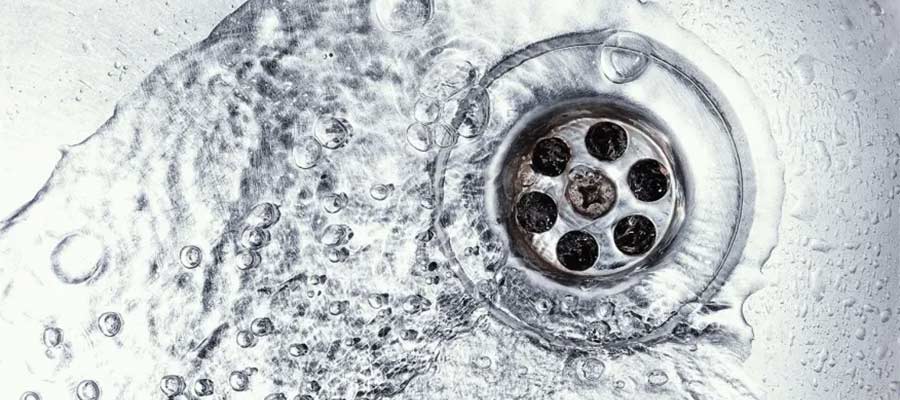
Something stinks. You’ve cleaned the kitchen, taken out the trash, and checked the fridge. Still smells. Then you lean over the sink, and there it is. The smell emanates directly from the drain itself.
Drain smells happen for a bunch of reasons. Some are quick fixes you can handle in five minutes. Others say something’s actually wrong with your plumbing, and it needs real attention.
Either way, ignoring it won’t make it go away. Usually gets worse. And depending on what’s causing it, that smell might be more than just unpleasant.
Common Drain Smell Problems
| What It Smells Like | Probably Means | How Hard to Fix |
| Rotten eggs | Hydrogen sulfide from bacteria or sewer gas getting through | Moderate. Might need a pro. |
| Musty or moldy | Biofilm buildup coating the inside of pipes | Usually DIY-able |
| Rotting food | Grease and food stuck in garbage disposal | Easy to fix yourself |
| Straight-up sewage | P-trap dried out or missing entirely | Sometimes easy, sometimes needs help |
| Metallic or chemical | Water contamination or water heater anode rod issue | Call someone for this one |
That Rotten Egg Smell
Classic sulfur smell. It resembles the smell of eggs that have been left out for an extended period of time. It usually means hydrogen sulfide gas, which forms when bacteria react with stuff in your water.
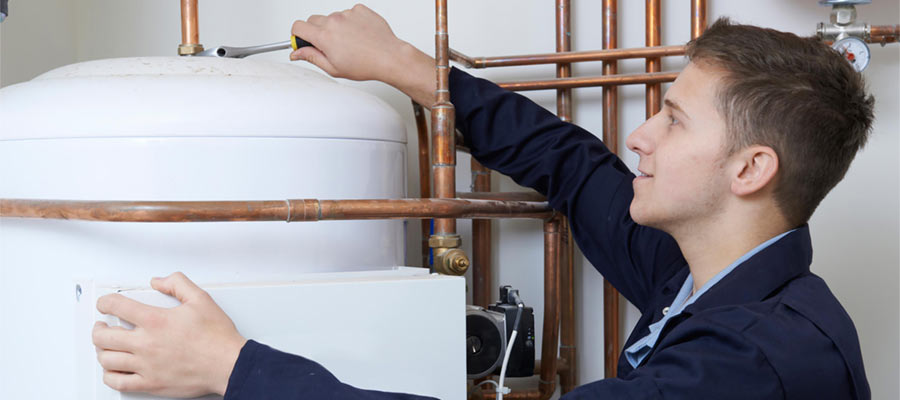
Quick test. Does the smell come from hot water only or both hot and cold? If it’s only hot water, your water heater’s anode rod is probably the problem. That magnesium rod reacts with sulfur bacteria in the tank and produces the gas.
Both hot and cold? The issue is with the water supply itself. Testing may be necessary to determine the source of the contamination.
Fixes range from replacing the anode rod with aluminum or zinc-aluminum to flushing and sanitizing the whole system. Hydrogen peroxide works better than bleach for this and doesn’t damage pipes.
Garbage Disposal Funk
The disposal smells like something died in there. This smell is likely a result of something having died within the disposal. Food residue is accumulating on the blades and walls, grease is coating everything, and bacteria are having a feast.
Easy to prevent. Run cold water before and after using the disposal. Grind ice cubes with rock salt once a month to clean the blades. Toss in lemon or orange peels for a fresh smell.
If the smell’s already noxious, try the ice and salt treatment plus some dish soap while running. Still gross? The disposal may require a professional deep cleaning, or it could simply be outdated and in need of replacement.
Missing or Broken P-Trap
Every drain has a P-trap. The P-trap refers to the curved section of pipe located beneath the sink. The P-trap retains water, which prevents sewer gas from entering your home. Simple but important.
Sometimes they’re installed wrong. Sometimes they’re missing entirely, especially in DIY renovation jobs where someone didn’t know better. Sometimes they crack and leak out the water they’re supposed to hold.
If sewer smell comes from a specific drain, check that the P-trap exists and is intact. Professionals can inspect and install or replace if needed to meet the code.
Dried Out P-Trap
Guest bathroom nobody uses. The utility sink in the basement has not been used in months. The vacation home has been vacant for the entire winter. Water in the P-trap evaporates, and now sewer gas has a clear path into the house.
Easiest fix ever. Run water for thirty to sixty seconds to refill the trap. The smell goes away.
If you don’t frequently use your drains, consider adding a small amount of mineral oil after running water. It floats on top of the water and slows down the evaporation process. This will ensure that your drain lasts for months rather than just a few weeks before drying out again.
Grease and Gunk Buildup
Fats, oils, and grease. FOG, if you want the acronym. Liquid goes down the drain, cools off, sticks to pipe walls, and accumulates over time. Then it starts decomposing and produces that rancid smell.
Kitchen drains especially. The residue of cooking oil, meat fat, and butter accumulates. This residue accumulates more quickly than most people realize.
DIY approach: half a cup of baking soda down the drain, followed by a cup of white vinegar. Let it fizz for fifteen minutes, then flush with boiling water. This method effectively removes buildup.
Skip the chemical drain cleaners. They might work short-term, but they damage pipes over time. If the baking soda trick doesn’t handle it, professional drain cleaning gets everything out properly.
When to Call a Plumber
Some drain smells mean bigger problems. Cracked sewer lines. Blocked vents. Severe pipe damage that needs real repair.
If you’ve tried the DIY fixes and the smell keeps coming back, something deeper is wrong. The plumber can run a camera through the line and see exactly what’s happening. Repair leaks, fix or replace damaged traps, and clean the system thoroughly.
It’s also advisable to contact a plumber if the rotten egg smell is particularly strong. High concentrations of hydrogen sulfide are actually hazardous. Open windows and get someone out there.
Houston-Specific Stuff
Humidity here makes drain smells worse. Moisture in the air keeps things damp even when you’re not running water. Bacteria thrive. Biofilm builds faster. Smells develop quicker than in drier climates.
Hard water contributes too. Mineral deposits combine with soap and grease to create stubborn buildup. More cleaning is needed to keep things fresh.
Heavy cooking is part of local culture. Cajun cuisine, where everything is fried, results in a significant amount of oil dripping down the drain. It means more grease accumulation than you’d see in places with lighter cooking styles.
FAQs
Why does the smell get worse when I run water?
Water movement disturbs trapped gas or dislodges rotting material stuck in the pipe. This action releases the lingering smell.
Is that rotten egg smell dangerous?
Can be. Hydrogen sulfide at high concentrations is hazardous. If the smell is strong and persistent, ventilate the area and get a plumber out there. Don’t just live with it.
Can I use bleach to kill the smell?
While bleach may provide temporary relief, it eventually corrodes pipes. Baking soda and vinegar work better. Hydrogen peroxide works too, without the pipe damage.
How often should I clean my drains?
Kitchen drains every month or two. Bathroom drains quarterly. If you notice slow drainage or the development of smells, you should clean your drains more frequently.
How do I prevent drain smells from coming back?
Regularly clean, run water through unused drains periodically, use the garbage disposal properly, and get annual plumbing inspections. Prevention beats dealing with the smell every few months.
John Moore Services
Smelly drains might be simple or might mean something’s seriously wrong. John Moore has been diagnosing Houston drain problems for fifty years. They know the difference.
They provide camera inspections, professional cleaning, and repairs when necessary. Get rid of the smell and fix whatever’s causing it. Call (713) 730-2525 or visit JohnMooreServices.com.