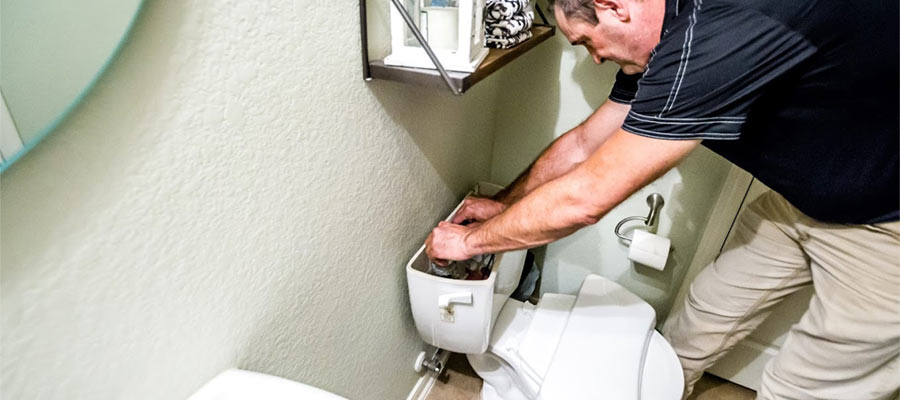
The toilet’s running, and it won’t stop. Or there’s water on the floor that shouldn’t be there. Either way, something’s leaking, and ignoring it just runs up the water bill.
Here’s the thing about toilet leaks. Most of them are actually pretty fixable. A worn-out flapper, a bad fill valve, or a loose connection can all be easily fixed. Parts cost twenty bucks at the hardware store, and the repair takes an hour if you know what you’re doing.
But not all leaks are DIY territory. Some require pulling the whole toilet. Some mean something cracked that can’t be patched. Knowing the difference saves you from making a small problem bigger.
Quick Facts for Houston Homeowners
| What You Want to Know | The Answer |
| DIY repair cost? | $20 to $75 for parts. Your time is free if you value it that way. |
| Professional repair? | $150 to $350 depending on what’s wrong. Done right, warranty included. |
| How long do parts last? | Flappers and fill valves go 5 to 10 years. Wax rings last 20 if nothing shifts. |
| Houston-specific issues? | High water pressure wears parts faster. Hard water leads to the accumulation of minerals. Humidity encourages mold if leaks go unnoticed. |
| How long does repair take? | 45 minutes to an hour and a half for DIY. Faster for pros. |
What’s Actually Happening When a Toilet Leaks
The leak occurs when water escapes into an area it shouldn’t. The leak could potentially originate from within the tank, continuously seeping into the bowl. The leak could potentially originate from the connection in the supply line. It could be around the base where the toilet meets the floor.
Signs something’s wrong? The toilet runs without being flushed. The water bill jumps for no obvious reason. The base is covered in wet spots or stains. Sound of water running when nobody’s used the bathroom.
Houston’s humidity worsens this condition more than other places. The leak goes unnoticed, moisture sits, and mold starts growing. What started as a dripping flapper becomes a mold problem on top of a plumbing problem.
What Usually Causes It
The flapper valve is the most common culprit. That rubber seal at the bottom of the tank wears out over time. The rubber seal becomes stiff, warps, and loses its ability to seal properly over time. Water trickles constantly past, the toilet refills to compensate, and the cycle repeats.
A fill valve going wrong is the second most common. The fill valve is designed to halt water flow when the tank reaches its full capacity. Malfunctions and water keep coming. The fill valve either overflows into the tube or continues to run indefinitely, attempting to fulfill an unmet demand.
Supply line connections can loosen over time. There may be vibration, settling, or mineral buildup on the threads. A slow drip may seem minor at first, but it can accumulate over several months.
A wax ring under the toilet is less common but more serious. It serves to seal the connection between the toilet and the drain pipe. Dries out, shifts, or gets compressed wrong. The result is water leaking at the base, sometimes going under flooring where you can’t see it.
A cracked tank or bowl is the worst case. Porcelain doesn’t repair well. “Crack” means replacement, not fixing.
Fixing It Yourself: What’s Involved
First step always: turn off the water. The shut-off valve is near the toilet base. Turn clockwise until it stops. Flush to drain most of the tank water.
Please identify the source of the leak. Check the supply line connection for drips. Look around the base for water. Inside the tank, add a few drops of food coloring and wait twenty minutes. The flapper is leaking if colored water appears in the bowl without flushing.
Flapper replacement is easiest. Unhook the old one, clean the seat area, and snap the new one in place. Ten minutes, maybe fifteen.
Fill valve replacement is slightly more involved. Remove the old assembly, install the new one, and adjust the water level so it’s about an inch below the overflow tube. Hardware store kits come with instructions.
Waxing is where things get serious. You will pull the entire toilet off the floor, scrape the old ring, install a new one, and then reset the toilet level and tighten it. This task is manageable, but it also carries a higher risk of mess and potential errors.
Turn the water back on, let the tank fill, watch, and listen. No more running water? No drips? You’re good. Still leaking? Something got installed wrong or the problem’s bigger than you thought.
DIY vs. Calling a Pro
| Factor | DIY | Professional |
| Cost | $20 to $75 parts only | $150 to $350 all in |
| Skill needed | Basic to moderate | None on your end |
| Risk of mistakes | Real if you’re inexperienced | Low |
| Warranty | Just on the parts themselves | Parts and labor covered |
| Best for | Simple stuff: flapper, fill valve | Base leaks, cracks, recurring problems |
DIY makes sense for simple stuff if you’re reasonably handy. Swap a flapper, replace a fill valve, and tighten a connection. These are basic repairs that most people can handle.
But mistakes happen. A crookedly installed wax ring means the toilet rocks and leaks again. Overtightened bolts crack the porcelain. A wrong diagnosis means you replaced the wrong part, and the leak continues.
If your DIY fix didn’t work, or you’re seeing water at the base, or the problem keeps coming back, that’s when professionals earn their fee.
Preventing Future Leaks
Check things every six months or so. Lift the tank lid, look at the flapper, and watch the fill cycle. This process only requires two minutes and effectively detects issues before they escalate in cost.
Watch your water bill. A sudden increase with no explanation often means something’s leaking somewhere. The toilet is a common culprit.
Skip the chlorine tablets that go in the tank. They deteriorate rubber parts faster. A flapper that should last seven years lasts three instead.
When tightening anything, go easy. Porcelain cracks. Connections seal without needing to be wrenched down hard. Snug is enough.
When to Call for Help
If there is water around the base or signs of water damage to the flooring, it’s time to call for help. That’s wax ring territory and potentially bigger issues.
The porcelain exhibits visible cracks. It can’t be patched. The toilet needs replacing.
DIY repair didn’t stop the leak. Something’s wrong that you couldn’t identify or fix. Pros find what you missed.
The same problem keeps coming back. This indicates an underlying issue that a simple part replacement isn’t addressing.
FAQs
Can I use plumber’s putty on a toilet leak?
Wrong application. Plumber’s putty is for drains, not toilet seals. Use a wax ring for base leaks or silicone sealant where appropriate. Putty won’t hold.
How do I know if my toilet’s leaking silently?
Food coloring test. Please add a few drops to the tank, wait for twenty minutes, and refrain from flushing. If color shows up in the bowl, the flapper’s leaking. Works every time.
What’s the most common cause of a running toilet?
Worn flapper. Rubber gets old, doesn’t seal anymore, and water trickles through constantly. Cheapest, easiest fix. Start there.
How long should a wax ring last?
If installed correctly, a wax ring should last for at least twenty years without any shifting. Toilets that rock or move compress the ring incorrectly, leading to early failure.
Should I replace the whole toilet if it keeps leaking?
Only if the tank or bowl is cracked. Everything else can be fixed with parts. Cracks in porcelain require replacement, as they will only worsen over time.
John Moore Services
When DIY hits its limit or you’d rather have someone else deal with it, John Moore has been fixing Houston toilets for fifty years. John Moore provides diagnosis, repair, and replacement services when necessary.
John Moore employs licensed plumbers who have experienced every type of toilet issue that Houston homes can present. Get it fixed right with warranty backing. Call (713) 730-2525 or visit JohnMooreServices.com.