Basement plumbing sits below everything else in your house. Literally. All that pipe runs under floors, through foundation walls, and connects to the city sewer. Most people never think about it until water shows up where water shouldn’t be.
Then it becomes the only thing you think about.
Houston makes basement plumbing trickier than other places. The clay soil in Houston swells and shrinks in response to moisture. Heavy rains can dump inches of water in an hour. Insurance companies are highly aware of the flood risk associated with clay soil. All of it puts stress on pipes and drains that basements in drier climates never deal with.
Understanding what’s down there, what goes wrong, and how to keep it working saves money. Saves headaches. Preventing a panicked call at 2am when sewage backs up into the laundry room can save significant costs.
Quick Reference: Basement Plumbing in Houston
| The Basics | What to Know |
| Common pipe materials | PVC mostly. Some PEX. Copper in older or fancier setups. |
| How long pipes last | 20 to 50 years depending on material. Houston humidity and soil don’t help. |
| Sump pump cost | $300 to $1,500. Non-negotiable if you’re in a flood zone. |
| Usual problems | Leaks, clogs, sewer line drama. Catch them early or pay later. |
Why Basement Plumbing Actually Matters
It’s not just about having a functional toilet downstairs. Basement plumbing touches everything.
Water supply runs through it. Whatever’s down there, whether it’s laundry, a bathroom, or a utility sink, needs consistent water flow. Pipes fail, and suddenly the whole setup’s useless.
Waste has to go somewhere. Drains and sewer connections handle everything flushed, poured, or washed down. Backup happens when that system fails. You don’t want to experience what backup looks like firsthand.
Flooding protection lives in the basement too. The basement also houses sump pumps, floor drains, and backflow preventers. These systems prevent rainwater and groundwater from turning your basement into a swimming pool during storm season.
Foundation health ties directly to plumbing. Leaks saturate soil around footings. Expands the clay. This process applies pressure to the foundation walls. Cracks form. Water finds its way in. Structural damage follows.
Air quality even connects back to plumbing. Standing water breeds mold. Dry P-traps let sewer gas into living spaces. That musty basement smell everyone jokes about? Usually a plumbing problem nobody’s addressed.
Problems That Show Up Most Often
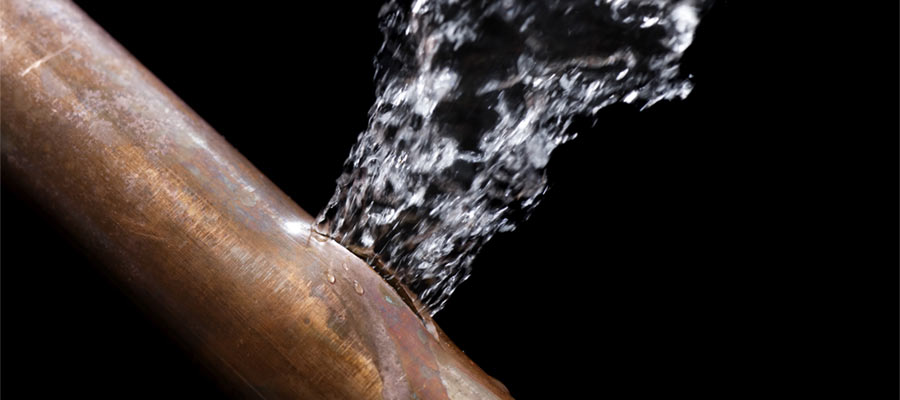
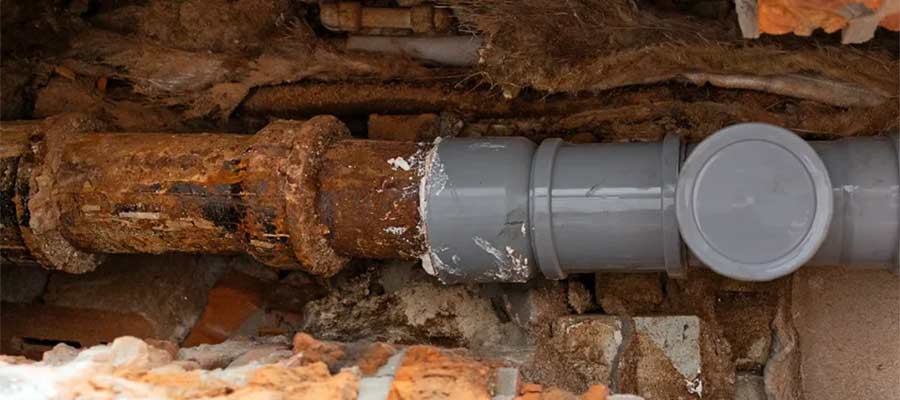
Leaking pipes top the list. Age does it. Corrosion does it. Ground-shifting cracks joints. Sometimes installation was just sloppy to begin with. Water shows up on floors, walls get damp, and utility bills climb for no obvious reason. Left alone, it gets worse. Always gets worse.
Clogged drains come in second. Showers often leave behind hair and soap residue. Grease from utility sinks. There is debris flowing down the drain that should not be there. Buildup narrows the pipe until water barely moves. Smells start. Backups follow.
Sewer line issues cause the biggest headaches. Tree roots finding their way in. The pipes may have cracked or collapsed underground. Soil shifts that pulled joints apart. The house experienced a slow drainage process. Gurgling sounds. Sewage smells. Bad news all around.
Sump pump failures happen at the worst possible time. Power goes out during the storm when you need the pump most. The motor burns out. The float switch sticks. Water rises while the pump sits there doing nothing.
Flooding ties everything together. Heavy rain overwhelms drainage. Clogged gutters dump water against the foundation. Cracks let it seep in. The sump pump can’t keep up or isn’t working. Suddenly you’re dealing with inches of water and everything that comes with it.
Why DIY Gets Risky Down There
Basement plumbing looks simple until you’re in the middle of it. Then it’s not.
Mistakes compound fast. Wrong fitting here, bad seal there, and now you’ve got a leak behind finished walls where you can’t see it. Months of water damage before anyone notices.
Safety stuff gets serious too. Water near electrical. Gas lines running through the same space. Sewer gases that can make you sick. People get hurt messing with things they don’t fully understand.
Cost savings disappear when DIY goes wrong. A professional fix for a DIY mistake usually costs more than having the pro do it right the first time. Plus whatever damage happened while you were figuring out something was wrong.
Minor stuff? Sure, tackle it yourself. Snaking a slow drain. Replacing a faucet washer. But main lines, sewer connections, sump pump installations? Get someone licensed who does this every day.
Keeping Basement Plumbing Healthy
Annual inspection catches things before they become emergencies. An expert in inspecting pipe condition, drain flow, connections, and potential weak points is essential. An hour of their time saves thousands in damage.
Preventive upgrades make sense for older systems. Swap corroded pipes for PVC or PEX before they fail completely. Add a sump pump if you don’t have one. Install backflow preventers so sewer backup can’t reach your fixtures.
Routine maintenance keeps everything moving. Clear debris from drains regularly. Please test the sump pump every few months by pouring water into the pit to ensure it activates properly. Watch for slow drainage or weird smells that signal developing problems.
Emergency prep means having a plan. Know where the main shutoff is. Keep a plumber’s number somewhere you can find it at 2am. Consider water alarms near the sump pit and water heater. Automatic shutoff valves exist for a reason.
When problems show up, fix them promptly. A small leak today is a mold problem next month and a structural issue next year. The timeline’s never as long as people hope.
Pipe Materials Compared
| Material | Good Stuff | Watch Out For |
| PVC | Cheap, doesn’t corrode, handles soil movement okay | Don’t leave it in sunlight |
| PEX | Flexible, easy retrofits, fewer connections to fail | Rodents can chew through it |
| Copper | Lasts forever, handles heat, proven track record | Expensive. People steal it. |
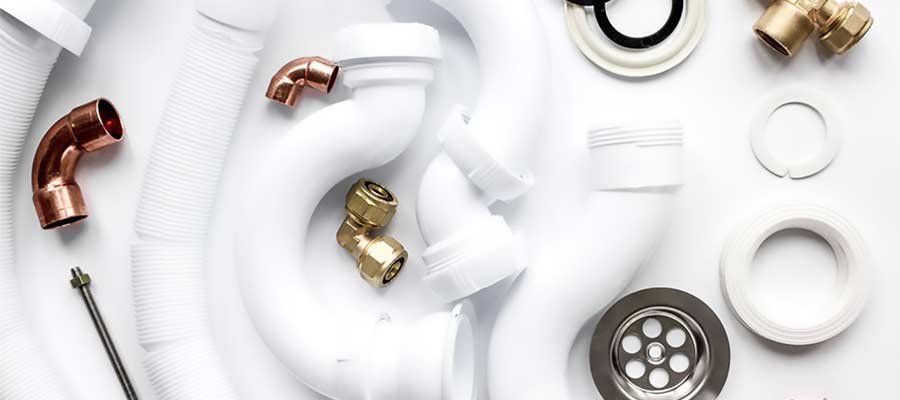
PVC dominates Houston basements. Handles the clay soil movement, resists corrosion, costs way less than copper. PEX works great for renovations where you need to snake pipe through existing walls. Copper’s the premium option if budget allows and you’re not worried about theft.
Houston-Specific Stuff
Clay soil creates problems other cities don’t have. It swells when wet, shrinks when dry, and moves constantly. Rigid pipe joints crack. Flexible materials or proper bedding underneath make a real difference.
Flood zones mean extra equipment. Sump pumps aren’t optional in low-lying neighborhoods. French drains help. Improved surface drainage keeps water away from foundations. Some houses need all three.
Older Houston homes often have galvanized steel pipes that should’ve been replaced years ago. Corrosion from the inside, rust flakes in the water, restricted flow. Upgrading to modern materials fixes water quality and prevents surprise failures.
FAQs
How often should basement plumbing get inspected?
Once a year minimum. More often if you’ve got an older house or you’re heading into rainy season. It’s better to find problems during an inspection than during a flood.
Will a sump pump prevent all flooding?
Nope. Helps a lot, though. If properly sized, it prevents the accumulation of groundwater and ensures that it functions when needed. Won’t stop water coming in through foundation cracks or overwhelmed surface drainage.
What are signs of sewer line trouble?
Drains are running slow throughout the house. Gurgling sounds when water goes down. Sewage smell that won’t quit. Wet spots in the yard near where the line runs. Any of those means something’s up.
Can I handle basement plumbing myself?
Small repairs, sure. Anything involving main lines, sewer connections, or gas nearby? Get a professional. Mistakes down there get expensive fast.
What does a full basement plumbing overhaul cost in Houston?
Anywhere from $1,500 to $8,000 or more. The cost varies depending on the extent of pipe replacement, the addition of drainage improvements, and the state of the sump pump. Wide range because every basement’s different.
John Moore Services
Been doing Houston plumbing long enough to have seen everything basements can throw at a house. Installation, repair, maintenance, emergencies. Licensed plumbers who show up knowing what to look for.
Call (713) 730-2525 or hit up JohnMooreServices.com. Whether it’s routine inspection or something already going wrong, one call gets it handled.