You may notice water pooling around your ankles during a shower. That’s usually when people realize something’s wrong with the drain. While it may not be a crisis, it can be sufficiently annoying to be ignored for an extended period.
The drains in the bathtub endure significant wear and tear. Every day, strands of hair fall out of the bathtub. Soap scum building up on pipe walls. Whatever’s in your shampoo and conditioner is coating everything it touches. Over time, the accumulation of soap scum in your shampoo and conditioner causes the drain to become resistant.
Most bathtub drain problems aren’t complex, which is good news. Clogs clear out. Leaks get sealed. Worn parts get replaced. Knowing what you’re dealing with helps you figure out whether it’s a quick fix or time to call someone who does the job for a living.
Quick Reference: Bathtub Drain Repair in Houston
| What You’re Wondering | The Answer |
| How long do drain parts last? | 10 to 15 years, usually. Depends on water quality and how much abuse they take. |
| What does repair cost? | $150 to $400 for most clogs and minor repairs. More parts need replacing. |
| Full drain replacement? | $300 to $700 or higher. Accessibility matters a lot here. |
| Most common problems? | Hair clogs, soap buildup, mineral deposits, corroded pipes. |
| Houston factor? | Hard water speeds up buildup and corrosion. Clean drains regularly. |
Clogged Drains
Clogged drains are by far the most significant issue. Not even close.
Hair is the main culprit. Hair wraps around the drain stopper, collects in the pipe, and catches soap residue and oils from bath products as they pass through. Forms this gross sticky mass that gets bigger over time. Eventually, water has nowhere to go.
A plunger might work for minor clogs. Emphasis on “might.” Deep blockages need actual tools. Drain snakes reach down and physically pull the clog out. Hydro-jetting uses pressurized water to blast buildup off pipe walls. Both methods achieve results without damaging the pipes, unlike chemical cleaners.
Do you experience clogging more than a couple of times a year? Something bigger is happening. This could potentially indicate a buildup further down the line. If the problem is connected to the main drain, it could indicate a root intrusion. It would be beneficial to have a thorough examination conducted.
Leaky Drains
There appears to be a slow drip under the tub. Seems minor. People ignore it for months.
Bad idea. That drip adds up. Water damage to the subfloor happens quietly. Mold starts growing where you can’t see it. Utility bill creeps higher. By the time you actually deal with it, the repair costs more than it would have on day one.
Leaks happen when gaskets wear out. Rubber dries up and cracks over time. Metal fittings corrode, especially with Houston water. Pipes shift slightly, and joints that were watertight suddenly aren’t.
Fixing involves finding exactly where the leak is, replacing whatever failed, and resealing everything properly. Apply plumber’s putty to certain connections and place Teflon tape on the threads. Once it’s done right, it stays done.
Slow Drainage
The tub takes forever to empty but is not completely clogged. The water eventually drains, but it does so at its own pace.
Usually means partial blockage. Enough buildup to restrict flow but not shut it down entirely. Mineral deposits can narrow the diameter of the pipe. Houston’s hard water is loaded with calcium and lime that accumulates on pipe walls year after year.
Enzyme-based cleaners can help. They consume organic buildup without damaging the pipe itself. Mechanical cleaning works too. What you want to avoid is those chemical drain cleaners from the hardware store. Work sometimes but damage pipes over time. This process is particularly harsh on PVC and older metal pipes.
Bad Smells Coming from the Drain
Nothing kills the relaxing bath vibe like the sewage smell wafting up from the drain.
A couple of things cause this. Debris is decomposing in the pipe. The water becomes trapped and becomes stagnant. Or the P-trap dried out.
The P-trap is that curved section of pipe under every drain. The P-trap retains water, which prevents sewer gases from entering your home. This system functions effectively as long as it is filled with water. Does the guest bathroom remain unoccupied for a period of six months? P-trap dries out. Sewer gas comes through. Suddenly the bathroom smells like something died.
The solution depends on the cause. Flush the line to clear out decomposing gunk. Refill the P-trap with water. Replace it if it’s cracked or corroded. Running water through rarely used drains once a month prevents the dry trap problem entirely.
What the Pros Bring to Drain Repairs
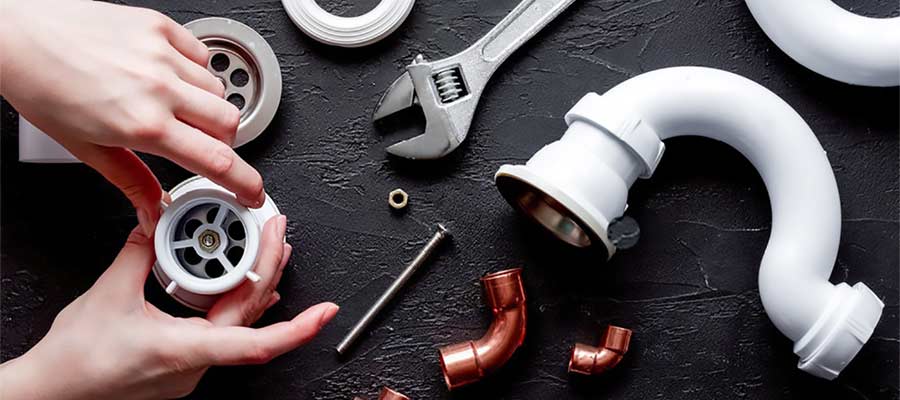
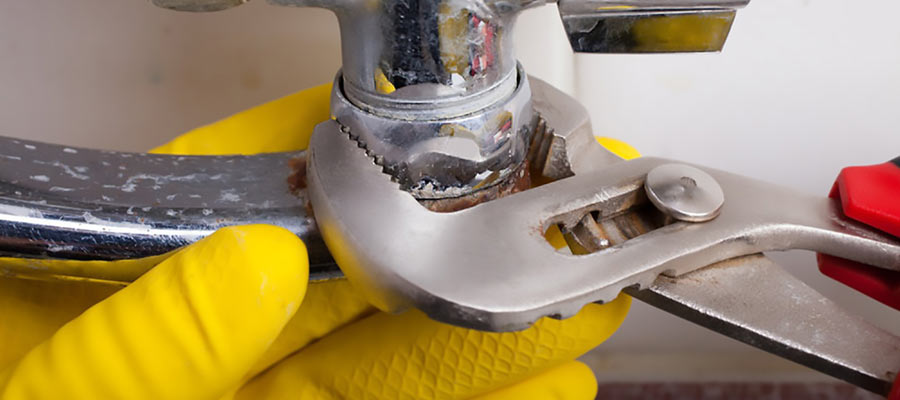
Plumbers show up with actual equipment. Not only do they use plungers, but they also utilize drain snakes and augers that can reach deep into the line. Adjustable wrenches and pliers are used for making connections. When sections require replacement, use pipe cutters.
Sealing materials matter too. Plumber’s putty creates watertight seals around drain flanges. Teflon tape wraps threaded connections. If necessary, you can replace the gaskets, washers, and entire drain assemblies. Having the right parts on the truck means fixes happen in one visit instead of two.
How a Professional Drain Repair Goes
The process begins with identifying the root cause of the issue. Sometimes obvious. Occasionally, we need to use inspection tools or conduct tests to narrow down the scope.
Area gets prepped. Towels down, access cleared, whatever needs moving gets moved. Then the actual work. Blockages are cleared using a snake or hydrojet. We inspect the components for signs of wear or damage. Replacing anything that’s failing. Reassembling with proper seals.
The last step is testing. Fill the tub, let it drain, check for leaks. No leaks, proper flow, job’s done. Most repairs take an hour or two from start to finish.
When to Stop DIY-ing and Call Someone
Some drain problems respond to a plunger and a little effort. Others don’t.
Already tried plunging and snaking with no luck? Time to call. Water leaking around or under the tub? Definitely call. Smells that won’t go away even after cleaning? Call. Older home with plumbing that’s seen better days? Call before small problems become expensive ones.
The same problem keeps coming back after you fix it? That’s the biggest signal. Recurring issues mean the root cause isn’t getting addressed. You’re treating symptoms while the actual problem keeps causing damage.
Why Houston Homeowners Call John Moore
Been doing this since 1965. That’s not a typo. Sixty years of Houston plumbing. They’ve seen every drain problem this city can produce.
Licensed plumbers who diagnose fast and explain what’s happening in plain English. No mystery charges. Work gets done right so you’re not calling back next month with the same issue.
Serve all over Houston plus Sugar Land, Katy, Pearland, and Pasadena. Whether it’s a simple unclog or a full drain replacement, one call handles it.
FAQs
How often should I clean my bathtub drain?
Every six months to a year. Keeps hair and soap from building up into something worse. It takes five minutes and saves you a service call.
Are chemical drain cleaners okay to use?
Better to avoid them. They might clear the clog temporarily, but they corrode pipes over time. Professional cleaning works better and doesn’t damage anything.
Why does my drain still leak after I tightened it?
Probably a worn gasket or cracked seal. Tightening doesn’t help when the rubber’s gone bad. Replace the gasket, and the leak stops.
How long does drain repair take?
Most repairs wrap up in one to two hours. Complicated situations or full replacements take longer, but straightforward clogs and leaks are pretty quick.
What should I expect to pay for bathtub drain repair in Houston?
$150 to $400 covers most minor repairs and clogs. Full replacements or anything involving hidden leaks and water damage runs higher. Depends on what’s actually wrong.