
Same Day Gas Water Heater Installation, Repairs, or Replacement in Fort Bend County, TX.

The Importance of Licensed Gas Water Heater Service in Fort Bend County
Fort Bend County gas water heaters endure challenging operating environments due to intensive household use, seasonal temperature swings, and mineralized water supplies that create additional stress on burners, ignition hardware, tank interiors, and safety mechanisms. Homeowners may initially notice mild symptoms such as inconsistent temperatures, slow recovery rates, or pilot outages, yet these problems often signal deeper issues that can worsen without proper evaluation by a licensed plumbing professional. Since gas-powered water heaters rely on controlled combustion, proper venting, and regulated gas pressure, any performance deviation requires prompt professional attention to avoid safety risks or costly breakdowns. Licensed professionals possess detailed knowledge of local building codes, proper venting standards, and Fort Bend County-specific safety protocols, guaranteeing that all diagnostic work and repairs address both performance and compliance concerns. When a heater shows signs of wear, corrosion, or mechanical fatigue, professionals help homeowners determine whether targeted repairs will restore function or whether replacement is the more economical long-term solution. Professional recommendations shield households from preventable failures while maintaining safe, cost-effective operation aligned with the property’s hot water requirements.
Frequent Gas Water Heater Malfunctions in Fort Bend County Homes
Families throughout Fort Bend County often face challenges like inadequate heating speed, unstable water temperatures, or total service interruption, symptoms that may reveal underlying issues within ignition systems or burner mechanisms. Recurring ignition failures often stem from failing thermocouples, fouled flame sensors, or restricted gas supply, while burner effectiveness diminishes when sediment accumulation blocks efficient heat transfer to water. Scale buildup resulting from Fort Bend County’s hard water conditions slowly decreases available tank space and increases runtime necessary to provide adequate hot water. This additional burden speeds the breakdown of temperature regulators, gas delivery components, and pressure management devices, raising the probability of system leaks or dangerous failures. In the absence of licensed inspection, property owners could misjudge indicators and repeatedly adjust settings or restart ignition, hiding serious malfunctions that need experienced technical analysis.
Improper combustion dynamics constitute a widespread problem in Fort Bend County water heaters, commonly causing residue accumulation, excessive noise, or unreliable heating performance. Insufficient airflow enables exhaust fumes to accumulate near the flame zone, destabilizing combustion and initiating protective shutoffs. Rust-tinted or cloudy hot water commonly signals tank interior oxidation, which accelerates dramatically after the sacrificial anode degrades beyond effectiveness. Structural tank issues often develop silently in attics or garages, where heaters may go long periods without inspection. Professional assessments help homeowners distinguish between routine maintenance needs and early warning signs of system failure.
Professional Gas Water Heater Diagnostic Methods in Fort Bend County
Thorough troubleshooting starts with evaluation of ignition response, combustion characteristics, and burner component health, each offering essential insights into overall system status. Technicians analyze flame appearance, airflow patterns, and ignition response to identify whether issues stem from component wear, airflow restrictions, or fuel supply inconsistencies. Reviews incorporate analysis of thermocouples, electronic igniters, and flame rod sensors to decide whether parts need replacement. Fuel delivery testing verifies that available pressure satisfies equipment specifications, particularly in properties operating several gas-powered systems. Precise troubleshooting demands comprehension of how flame dynamics, airflow management, and hardware elements combine to maintain secure operation.
Vessel condition examinations remain vital throughout diagnostic work, especially in Fort Bend County residences where high mineral content hastens scale buildup and metal degradation. Professionals check for compromised protective coatings, exhausted sacrificial anodes, and rumbling sounds that signal interior deterioration. Such conditions typically indicate the system nears operational limits and might need replacement to avoid water damage or catastrophic tank rupture. By identifying these concerns early, professionals help homeowners avoid costly emergency situations and maintain safe operation.
Exhaust system performance and airflow dynamics represent further critical evaluation points during troubleshooting procedures. Technicians examine flue alignment, airflow patterns, and draft strength to ensure combustion gases are safely expelled. In older Fort Bend County homes, venting systems may not meet current safety codes, increasing the need for professional evaluation. Inadequate ventilation may result in inefficient burning or toxic gas hazards, rendering correct exhaust function crucial for secure system use.
Advantages of Licensed Gas Water Heater Service in Fort Bend County
Choosing licensed professionals for gas water heater service in Fort Bend County provides homeowners with an unmatched level of safety, reliability, and long term performance that simply cannot be achieved through guesswork, partial fixes, or untrained labor. Expert professionals comprehend how flame dynamics, exhaust management, fuel delivery, and vessel condition function as interconnected components, indicating that problems in one zone frequently reveal emerging vulnerabilities in others. When experts review a system, they analyze all hardware elements, gauge gas supply force, check ventilation adequacy, and confirm control responsiveness, developing a thorough assessment of overall system wellness. This methodology both addresses current issues and forestalls upcoming breakdowns by detecting concealed hazards including compromised valve assemblies, depleted protective anodes, or internal rust formation. Property owners who depend on professional maintenance escape the pattern of recurring failures, inflated energy costs, or expensive crisis installations, instead achieving consistent operation and reliable hot water supply year-round. The advantage of licensed service proves most apparent in established Fort Bend County residences, where historical systems could fall short of today’s safety benchmarks and where professional guidance facilitates alignment with current regulatory standards.
A further significant benefit of opting for licensed service in Fort Bend County includes the confidence that all procedures satisfy area codes and factory requirements, a stipulation that safeguards warranty protections and eliminates responsibility concerns when homes change ownership or undergo inspections. Many heaters installed decades ago were placed in attics, closets, or garages without proper ventilation or without the safety devices required today, and these older setups often become problematic as the home ages. Technicians evaluate whether vent pipes are correctly sized, verify that combustion air requirements are met, and confirm that pressure relief valves operate safely, addressing concerns that untrained installers may overlook. Should a water heater undergo faulty setup or service, outcomes might encompass combustion gas reversal, gas concentration, property water harm, or construction decay, all entailing considerable restoration costs. Through professional care, property owners safeguard their investment while maintaining secure equipment operation for daily household needs. Professional work also simplifies the replacement process when the time comes, because properly documented installations streamline future inspections, warranty claims, and insurance reviews.
Professional service also adds long term efficiency to gas water heaters in Fort Bend County, especially in homes where mineral-heavy water accelerates sediment buildup inside the tank. As mineral deposits coat the flame zone, the system operates more intensely and extensively to warm water, elevating gas usage and accelerating internal part deterioration. Technicians flush sediment, inspect anode rods, and calibrate thermostatic controls, restoring optimal heat transfer and reducing unnecessary gas usage. Across years, this care decreases energy expenses and prolongs equipment lifespan, diminishing the total cost of operation. For residences with significant hot water consumption, qualified analysis verifies the system aligns properly to fulfill everyday needs without constant operation or thermal stress. These operational enhancements multiply across the system’s working life, establishing professional service as a financially prudent selection alongside its protective advantages.
How Homeowners in Fort Bend County Can Decide Between Repair and Replacement
Choosing to repair or replace a gas water heater in Fort Bend County necessitates comprehensive assessment of system years in service, maintenance record, safety profile, and projected cost impact. Standard equipment functions eight to twelve years, while units subjected to constant use, hard water conditions, or insufficient maintenance could fail prematurely. As a water heater nears this timeframe, recurring failures, loud performance, or diminishing effectiveness commonly suggest that repair attempts will offer merely short-term solutions. Certified professionals assess combustion consistency, burner condition, vessel soundness, and valve functionality to establish if the equipment retains sufficient longevity to warrant repair. When rust has undermined internal elements or when the sacrificial anode has exhausted to where tank corrosion becomes certain, replacement generally constitutes the safer and more financially sensible alternative. Property owners who postpone replacement frequently encounter elevated energy costs, disruptive failures, or flooding from ruptures that occur unexpectedly. Alternatively, upgrading from an old heater to a contemporary, efficient model secures steady performance and decreased energy expenses, particularly in regions such as Fort Bend County, where constant hot water needs continue year-round.
Repairing a heater may be the right choice when issues involve isolated component failures such as faulty thermocouples, worn igniters, malfunctioning sensors, or mild sediment accumulation that has not yet undermined the tank’s structural integrity. These corrections recover functionality rapidly and cost-effectively, especially when the system stays within its projected useful lifespan. Nevertheless, when the water heater experiences unstable temperatures, requires excessive recovery time, or displays recurring startup problems, these indicators frequently point to fundamental mechanical defects that will persist. Professionals additionally evaluate the equipment’s energy performance, since legacy models use more fuel than contemporary high-efficiency systems, increasing regular energy expenses for Fort Bend County property owners. Should repair bills reach or exceed fifty percent of replacement pricing, purchasing new equipment usually offers improved long-term value, enhanced reliability, and upgraded safety technology.
The determination between servicing and upgrading further hinges on the status of auxiliary infrastructure, including ventilation ducts, gas delivery pipes, and water supply lines. In some Fort Bend County homes, outdated venting systems cannot safely support newer burner designs or higher efficiency heaters, making replacement the only viable option when code compliance is considered. Experts determine if the current gas infrastructure fulfills maker demands and if the ventilation system conforms to contemporary safety regulations. If corrections are necessary, installing a new heater becomes more practical, since the home must already undergo infrastructure modifications. On the other hand, if the surrounding systems remain in good condition and the heater’s age falls within acceptable limits, targeted repairs can restore performance without the expense of full replacement. Property owners depend on expert counsel to comprehend these considerations and to guarantee that every choice emphasizes security, convenience, and extended economic benefit.
Finding the Ideal Gas Water Heater for Your Fort Bend County Property
Selecting the appropriate gas water heater for your Fort Bend County property demands comprehension of family usage patterns, energy performance standards, exhaust system needs, and available installation space, each affecting sustained operation and running expenses. Homeowners often underestimate how daily routines, family size, and simultaneous hot water usage impact the heater’s workload, leading to units that run excessively or struggle to maintain comfortable temperatures. Qualified professionals assess these habits and propose tank sizes or high-performance alternatives that correspond to the residence’s genuine demands, securing reliable recovery rates and decreased energy consumption. In many cases, older heaters installed decades ago were sized using outdated assumptions or limited product availability, resulting in systems that no longer align with today’s comfort expectations or efficiency standards. With professional guidance, homeowners can select models that improve reliability, lower fuel costs, and provide consistent hot water throughout the home.
Beyond capacity and efficiency, homeowners in Fort Bend County must consider the physical placement of the heater, ventilation constraints, and the compatibility of existing gas lines, each of which influences system selection and installation cost. Attic installations, common in many older properties, may limit options for larger tanks or high-efficiency designs that require enhanced venting or condensate management. Professionals analyze these spatial complications and deliver plain advice that reconciles functionality, protection, and achievable installation parameters. This analysis commonly lowers prolonged expenditures by validating the picked system aligns effortlessly with the residence’s infrastructure, preventing later troubles involving ventilation, gas supply, or water conveyance. By working with licensed experts, homeowners avoid costly missteps and select a heater that delivers stable, efficient service for years to come. For fast, reliable service backed by decades of experience, call (713) 853-9881 to schedule your appointment today for maintaining a gas water heater in Fort Bend County requires periodic inspections, sediment flushing, and monitoring of ignition components to ensure stable operation and prevent long term deterioration!
FAQs About Gas Water Heater Installation, Repair, & Replacement in Fort Bend County
What happens during a typical gas water heater install in Fort Bend County?
Fort Bend County technicians start by evaluating your current setup and confirming your gas connections are safe. They will remove the old unit and mount the new system with proper venting and secure gas fittings. Finally, thorough safety testing and performance checks ensure the heater runs reliably.
What is the usual duration for gas water heater installation or repair in Fort Bend County?
A standard Fort Bend County installation usually lasts between two and four hours, depending on accessibility. Most repair jobs are completed within an hour unless parts need replacement. Complications such as code issues or aging infrastructure may lengthen the service.
How can I tell when my gas water heater requires repair?
Irregular heating, loud rumbling, or problems with the pilot are typical red flags. You may also notice sediment buildup that causes reduced efficiency. Addressing these symptoms early helps prevent larger failures and maintains safe operation.
How expensive is gas water heater installation or repair in Fort Bend County?
Pricing depends on factors like heater capacity, vent setup, and local code needs. Typical Fort Bend County pricing falls within a broad yet consistent range based on the home. Repair pricing is usually lower and driven by which part needs replacement.
Do I need a permit to install a gas water heater in Fort Bend County?
A permit is usually required in Fort Bend County for any gas water heater installation or replacement. The permit process protects homeowners by enforcing safety and code compliance. Your licensed plumber can usually handle the permit process on your behalf.
For reliable gas water heater installation, repair, or replacement in Fort Bend County, homeowners trust a licensed and insured Houston plumbing team with decades of experience serving local families. Our technicians provide thorough evaluations, clear recommendations, and code-compliant service designed to protect your home and restore dependable hot water. Whether you are facing inconsistent temperatures, aging equipment, or a sudden breakdown, we deliver timely support and long-term solutions that match the needs of Fort Bend County homes. Call (713) 853-9881 today or visit plumbing.johnmooreservices.com to schedule professional service you can count on year round.
John Moore Plumbing Services
10005 West Sam Houston Pkwy N
Houston, Texas 77064
Phone: (713) 853-9881
Website: plumbing.johnmooreservices.com
Posts Related to The BEST Gas Water Heater Replacement in Fort Bend County

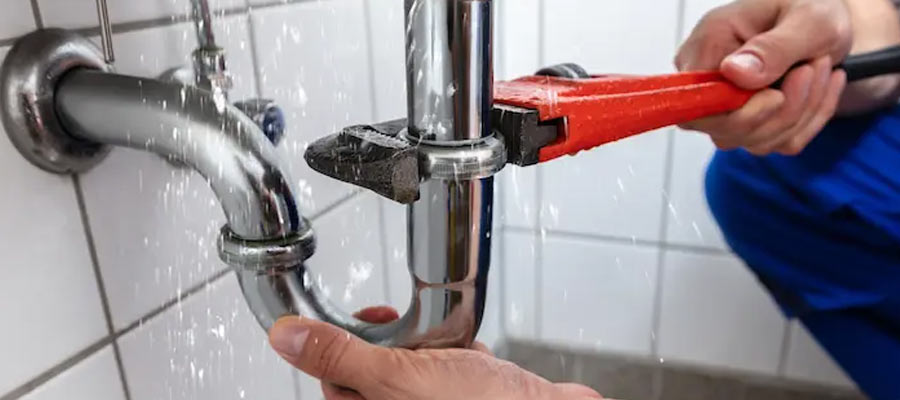
The Importance of Water Heater Leak Repair
Water heater leak repair is critical for preventing water damage and maintaining reliable hot water in Houston, TX homes and businesses. Even small leaks can lead to corrosion, mold growth, and higher utility bills if ignored. Professional plumbers accurately diagnose the source of leaks and perform water heater repair or water heater replacement when necessary. Prompt service helps protect surrounding plumbing components, extend system life, and restore safe operation. Addressing water heater leaks early reduces the risk of emergency plumbing service and costly property repairs.
Professional Shower Repair Services in Houston
Professional shower repair services are essential for maintaining comfort and efficiency in Houston, TX homes. Common issues such as leaks, low water pressure, and worn fixtures can lead to water waste and damage if left unaddressed. Experienced plumbers provide precise faucet repair, showerhead replacement, and bathroom plumbing maintenance to restore full functionality. Timely professional service prevents further plumbing problems, protects surrounding fixtures, and ensures consistent water flow. Houston homeowners benefit from reliable, long-lasting shower performance when repairs are handled by trained plumbing experts.
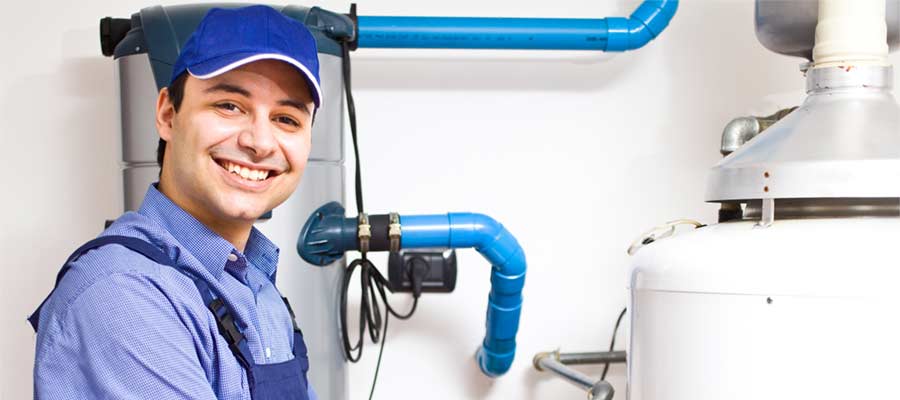
Water Heater Leak Repair in Houston, TX: What Homeowners Need to Know
Water heater leak repair is critical for preventing water damage and maintaining reliable hot water in Houston, TX homes. Even small leaks can cause corrosion, mold growth, and higher utility bills if left unaddressed. Professional plumbers provide accurate leak detection, water heater repair, and water line repair to resolve issues safely and efficiently. Timely service protects surrounding plumbing, extends the lifespan of the unit, and restores consistent hot water. Houston homeowners benefit from expert water heater leak repair that safeguards property and ensures long-term system performance.
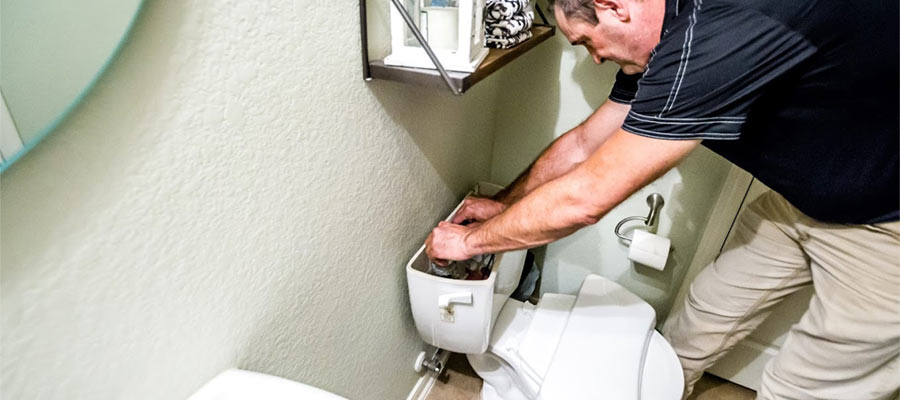
DIY Toilet Leak Repair: Avoid Costly Plumbing Mistakes
DIY toilet leak repair can lead to costly mistakes for Houston, TX homeowners if not done correctly. Common errors include improper seal installation, overtightening connections, or ignoring hidden leaks, which can cause water damage and high utility bills. Professional plumbers provide precise toilet repair, toilet replacement, and leak detection to resolve issues safely and effectively. Timely expert service protects fixtures, prevents further plumbing problems, and ensures reliable water flow. Houston homeowners benefit from professional repairs that save time, reduce risks, and maintain long-term plumbing system performance.
Additional Links About Gas Water Heater Replacement in or near Fort Bend County
Homeowners in Fort Bend County depend on steady hot water every day, and when a gas water heater starts failing, quick action is essential. Our licensed and insured plumbers provide professional installation, repair, and replacement services tailored to the demands of Houston-area homes. From ignition troubleshooting to full system upgrades, we help restore efficiency, safety, and comfort. For fast, reliable service backed by decades of experience, call (713) 853-9881 to schedule your appointment today.