
Water Leak Detection & Repair in Houston, TX
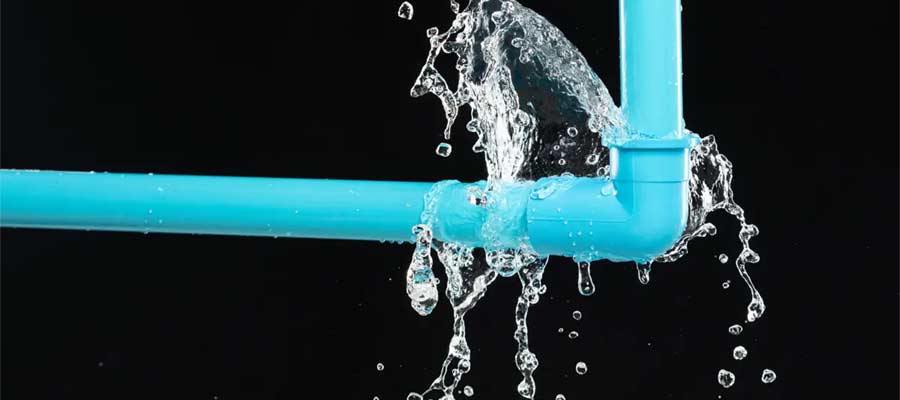
Water leaks don’t announce themselves with flashing lights and sirens. They hide behind walls, under concrete slabs, beneath landscaping, and inside ceilings. By the time you notice water stains, buckled floors, or unexplained puddles, the leak has already been wasting water and causing damage for weeks or months. Some leaks remain completely invisible while steadily driving up your water bills and undermining your foundation.
John Moore Services has been finding and fixing hidden water leaks throughout Houston since 1984. We use professional leak detection equipment, including electronic listening devices, thermal imaging cameras, tracer gas detection, and video inspection systems to locate leaks without unnecessary demolition. Our licensed plumbers pinpoint the exact location of leaks in slab foundations, underground water lines, walls, ceilings, and anywhere else water flows through your property. Once we find the leak, we explain your repair options clearly and complete the work efficiently to minimize disruption to your home.
Professional Leak Detection Services Throughout Houston
Houston’s expansive clay soil creates unique challenges for water leak detection. Our soil swells when saturated and shrinks during drought, constantly shifting and stressing underground pipes and slab foundations. This continuous movement causes more slab leaks in Houston than almost anywhere else in the country. Combined with our hard water that corrodes pipes from the inside and our mature tree roots that infiltrate water lines seeking moisture, Houston properties face multiple leak risks that require professional detection equipment to locate accurately.
We provide comprehensive leak detection services for residential and commercial properties throughout Harris County, Fort Bend County, and Montgomery County. Our leak detection specialists locate slab leaks under concrete foundations, underground water line leaks between the street and your home, leaks inside walls and ceilings, pool and spa leaks, irrigation system leaks, sewer line leaks, gas line leaks, and any other hidden leak wasting water or causing property damage. We use non-invasive detection methods whenever possible to identify leak locations before excavation or demolition begins, saving you money and minimizing disruption.
Slab Leak Detection Houston
Slab leaks are water line breaks beneath your home’s concrete foundation. Houston’s clay soil conditions make slab leaks particularly common because the constant expansion and contraction stresses pipes encased in or running beneath concrete slabs. Slab leaks waste thousands of gallons of water, increase utility bills dramatically, and cause serious foundation damage if not addressed quickly. The moisture from slab leaks saturates soil beneath your foundation, creating soft spots that allow differential settlement and foundation movement.
Slab leak symptoms vary depending on leak location and severity. You might notice warm spots on your floor where hot water lines are leaking, cold spots from cold water line leaks, the sound of running water when all fixtures are off, unexplained increases in water bills, cracks appearing in walls or floors, moisture or mildew odors inside your home, water pooling around your foundation exterior, or decreased water pressure throughout your house. Some slab leaks remain nearly silent while causing extensive damage, which is why professional detection equipment is essential.
Our slab leak detection process uses multiple technologies to pinpoint leak locations accurately. We start with pressure testing your water lines to confirm a leak exists and measure its severity. Electronic listening equipment detects the sound of water escaping from pressurized pipes, even through concrete. These sensitive amplification devices allow our technicians to trace water lines and identify the precise location where water is escaping. Thermal imaging cameras detect temperature differences on floor surfaces caused by hot or cold water leaking beneath the slab. For difficult-to-locate leaks, we use tracer gas detection, where we introduce harmless gas into your water lines and use sensitive detection equipment to identify where the gas escapes.
Once we’ve located your slab leak, we explain repair options, including spot repair, where we access the leaking pipe through the slab and repair or replace the damaged section; rerouting, where we abandon the leaking section and run new pipe through walls or attic spaces; and epoxy pipe lining, where we seal leaks from inside the pipe without excavation. Each approach has advantages depending on your specific situation, and we provide clear cost comparisons so you can make informed decisions. Our slab leak repairs include proper foundation protection, concrete removal and replacement when necessary, and thorough testing to ensure the repair eliminates the leak completely.
Underground Water Line Leak Detection
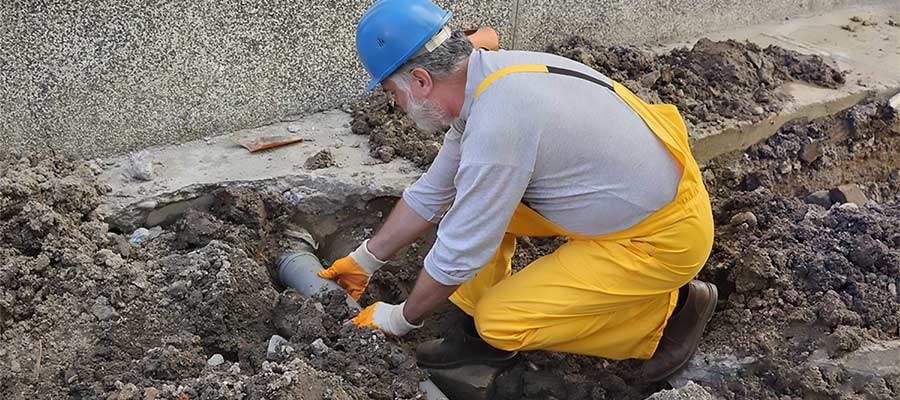
The water line running from the street to your home operates under constant pressure and eventually fails due to age, corrosion, ground movement, or root infiltration. Underground water line leaks waste enormous amounts of water because they flow continuously. Unlike leaks inside your home that you might notice when water backs up or drips, underground leaks can pour hundreds or thousands of gallons daily into the ground with no visible evidence except an escalating water bill.
Signs of underground water line leaks include dramatic increases in your water bill with no change in usage, the water meter running continuously even when all fixtures are off, soggy areas in your yard along the water line path, unexplained areas of lush green grass while surrounding areas stay brown, pavement settling or cracking near your water line, and low water pressure throughout your home. City water departments sometimes notify homeowners of unusual water consumption patterns that indicate leaks, but many underground leaks continue undetected for months.
We locate underground water line leaks using acoustic listening equipment that detects the sound of water under pressure escaping from pipes buried several feet deep. For deeper lines or quiet leaks that are difficult to hear, we use tracer gas injection and detection. This method is extremely accurate and allows us to mark the exact leak location before any digging begins. We also use ground-penetrating radar in some situations to map underground utilities and identify optimal excavation locations.
Underground water line repairs range from simple pipe section replacement to complete water line replacement depending on the pipe’s overall condition. If your water line is old galvanized steel or has multiple previous repairs, complete replacement often makes more sense than patching another leak. Modern waterline materials like PEX and copper provide decades of reliable service and resist many of the problems that caused your original line to fail. We provide honest assessments and explain when spot repairs are adequate versus when full replacement offers better long-term value.
Hidden Leak Detection in Walls and Ceilings
Water leaks inside walls and ceilings cause extensive damage before becoming visible. Water travels along framing members, soaks insulation, damages drywall, and promotes mold growth long before stains appear on visible surfaces. By the time you notice discoloration on ceilings or walls, significant damage has already occurred. These hidden leaks typically come from supply line failures, drain line leaks, roof leaks, or plumbing fixtures with failed seals and connections.
We detect hidden leaks in walls and ceilings using moisture meters that measure water content in building materials, thermal imaging cameras that reveal temperature differences caused by water presence, and electronic listening devices that detect the sound of water flowing where it shouldn’t be. For suspected shower pan leaks or tub leaks, we perform flood testing where we fill the fixture and monitor for water loss over time. This noninvasive testing identifies leak sources before we open walls or ceilings.
Once we’ve located the leak source, we provide repair options that minimize demolition and disruption. Sometimes we can access leaking pipes through existing access panels or by creating small strategic openings. Other situations require larger openings to properly repair leaks and address water damage. We coordinate with homeowners to determine the best approach, balancing repair thoroughness with minimizing restoration work. Our plumbing repairs include proper sealing and testing to ensure leaks are completely eliminated, and we can refer qualified contractors for drywall and paint restoration if needed.
Water Meter Testing and Monitoring
Your water meter provides valuable information about hidden leaks throughout your property. We perform water meter tests to confirm whether leaks exist and estimate their severity before beginning detailed leak detection work. This simple test involves turning off all water-using fixtures and appliances in your home, then checking whether your water meter continues running. If the meter shows flow with everything off, you have one or more leaks somewhere in your system.
We can calculate approximate leak rates by timing how quickly your water meter advances with all fixtures off. This tells us whether you have a slow drip or a major leak pouring water continuously. This information helps prioritize leak detection efforts and set realistic expectations about water waste and damage potential. For homeowners concerned about intermittent leaks or monitoring after repairs, we can recommend water monitoring systems that track usage patterns and alert you to unusual consumption that indicates new leaks.
Pool and Spa Leak Detection Houston
Swimming pools and spas lose water through evaporation, but excessive water loss indicates leaks in the shell, plumbing lines, or equipment. Houston’s hot climate causes significant evaporation, making it difficult to distinguish between normal water loss and actual leaks without proper testing. Pool leaks waste thousands of gallons of water weekly, increase chemical costs, damage surrounding structures as water undermines foundations and landscaping, and allow soil washout that can cause pool settlement or deck cracking.
We perform professional pool leak detection using bucket tests to establish evaporation baseline rates, pressure testing of pool plumbing lines, dye testing around suspicious areas like lights, returns, and skimmers, and electronic listening equipment to detect leaks in underground pool plumbing. We also inspect pool equipment, check valves, test heater headers, and examine pump seals for leaks. Our pool leak detection service identifies leak locations precisely so repairs can be completed efficiently without unnecessary excavation or shell demolition.
Common pool leak sources include deteriorated plumbing seals at wall penetrations, cracked pool shells from ground movement or freeze damage, failed underground plumbing connections, leaking pool equipment like pump seals and filter valve stems, and separated expansion joints. Once we locate your pool leak, we coordinate repair with qualified pool contractors or complete plumbing repairs ourselves depending on the leak location and type. Proper pool leak detection saves money by enabling targeted repairs instead of trial-and-error approaches that waste time and money.
Irrigation System Leak Detection
Irrigation system leaks waste enormous amounts of water because these systems operate under pressure and often run when homeowners aren’t watching. A single break in an irrigation line can pour hundreds of gallons hourly into the ground. Irrigation leaks also cause property damage by saturating foundations, washing away soil, killing grass and plants from overwatering, and creating mosquito breeding areas in standing water.
We locate irrigation system leaks by systematically pressure testing each zone, visually inspecting for soggy areas or erupting water, using electronic listening equipment to trace underground irrigation lines and detect leak sounds, and evaluating valve performance, including checking for leaking zone valves that allow water flow when zones should be off. Many irrigation leaks occur at connections, valve boxes, and sprinkler head risers rather than in underground pipes themselves, so thorough surface inspection often reveals problems.
Irrigation system repairs include fixing broken pipes and fittings, replacing damaged sprinkler heads and risers, repairing or replacing faulty zone valves, adjusting heads to eliminate overspray onto foundations and structures, and optimizing system programming to eliminate water waste. Regular irrigation system inspection catches developing problems before they cause major water waste or property damage. Houston’s clay soil is particularly sensitive to uneven moisture, so irrigation leaks that concentrate water in specific areas accelerate foundation problems.
Gas Leak Detection Services
Natural gas leaks pose serious safety risks, including fire, explosion, and health hazards from gas exposure. While dramatic gas leaks announce themselves with obvious smells and hissing sounds, small gas leaks often go unnoticed despite wasting gas and creating potential hazards. We provide professional gas leak detection for Houston homes and businesses using electronic gas detection equipment that identifies even tiny gas concentrations, soap solution testing at connections and joints, pressure testing of gas piping systems, and thermal imaging to detect gas flow patterns.
If you smell natural gas, suspect a gas leak, or hear hissing near gas appliances or pipes, evacuate your property immediately and call CenterPoint Energy’s emergency line at 713-659-2111 or 911 from a safe location. Never attempt to locate gas leaks yourself using flames or ignition sources. Once emergency responders confirm your property is safe, call us for gas leak detection and repair. Our licensed technicians locate gas leaks accurately, repair them properly using code-compliant methods and materials, perform thorough leak testing after repairs, and ensure your gas system operates safely before we leave.
Commercial Leak Detection Houston
Commercial properties face unique leak detection challenges due to larger buildings, complex plumbing systems, multiple stories, and the operational disruptions that leaks cause. Restaurants cannot operate without water. Hotels cannot rent rooms with plumbing problems. Medical facilities require a reliable water supply for patient care. Office buildings suffer damage and tenant complaints from water leaks. We provide commercial leak detection services throughout Houston for all property types, including retail stores, restaurants, hotels, office buildings, medical facilities, warehouses, and multi-family housing.
Commercial leak detection often requires after-hours work to minimize business disruption. We schedule around your operational needs and can perform detection and repairs during nights and weekends when necessary. Our commercial leak detection equipment is portable and designed for minimal disruption to ongoing business operations. We understand that every hour your business deals with leak problems costs money, so we work efficiently to locate and resolve leaks quickly. For commercial properties with recurring leak issues, we can provide comprehensive plumbing system evaluations that identify problems before they cause failures and recommend preventive measures.
Leak Detection Technology and Methods
Modern leak detection relies on specialized equipment and techniques that locate leaks without destructive searching. Electronic listening devices amplify the sound of water escaping from pressurized pipes through concrete, soil, and building materials. These sophisticated amplification systems filter out ambient noise and isolate the specific frequency signature of leak sounds. Our technicians use these devices to trace water lines and pinpoint leak locations within inches.
Thermal imaging cameras detect temperature differences on surfaces caused by water presence. Hot water leaks create warm spots visible on thermal images. Cold water leaks create cool areas. Water-saturated materials show different thermal signatures than dry materials. Thermal imaging allows us to scan large areas quickly and identify suspect locations that require further investigation. This non-contact technology sees through surfaces without any demolition.
Tracer gas leak detection works for situations where electronic listening and thermal imaging cannot definitively locate leaks. We introduce harmless gas, typically a hydrogen-nitrogen mixture, into water lines after draining them. The gas escapes at leak locations and rises through soil and building materials to the surface. Our detection equipment identifies gas presence and concentration, allowing precise leak location mapping. This method works through concrete slabs, deep soil cover, and situations where other technologies struggle.
Pressure testing confirms whether leaks exist in specific sections of plumbing systems. We isolate portions of your plumbing, pressurize them, and monitor for pressure loss over time. Pressure drops indicate leaks, and the rate of pressure loss tells us leak severity. This testing guides our detection efforts and confirms repair success after work is completed.
Water Damage from Undetected Leaks
Hidden leaks cause extensive damage that escalates the longer leaks go undetected. Foundation damage is particularly severe in Houston, where our expansive clay soil responds dramatically to moisture changes. Water from slab leaks saturates soil beneath foundations, creating soft spots that allow differential settlement. This causes cracks in foundations, walls, and floor slabs. Repairing foundation damage caused by long-term slab leaks costs tens of thousands of dollars, far exceeding the cost of prompt leak detection and repair.
Structural damage from hidden wall and ceiling leaks includes rotted framing members, compromised structural integrity, and ceiling collapse in severe cases. Water-damaged wood framing loses strength and may need replacement. Mold growth from prolonged moisture exposure creates health concerns and requires professional remediation. Damaged insulation loses effectiveness and may need complete replacement. Electrical systems exposed to water leaks create shock and fire hazards.
Property damage includes destroyed flooring, ruined furniture and belongings, damaged HVAC systems from water infiltration, stained and damaged walls and ceilings, and landscaping damage from excessive water or soil washout. Utility costs escalate as leaks waste hundreds or thousands of gallons monthly. Some homeowners discover leaks only after receiving water bills that are double or triple normal amounts. Insurance claims for water damage affect premiums and may not cover damage classified as resulting from neglected maintenance.
The best protection against water damage is prompt leak detection when you first notice symptoms. Don’t ignore warm floor spots, unexplained water meter activity, elevated water bills, soggy yard areas, or other leak indicators. Early detection prevents extensive damage and minimizes repair costs dramatically. What might be a $500 leak repair today could become a $20,000 foundation repair project if left undetected for months.
Service Areas for Leak Detection in Houston
John Moore Services provides professional leak detection throughout the Houston metropolitan area, including all neighborhoods in Harris County, Fort Bend County, and Montgomery County. We locate leaks in Houston communities, including the Heights, Montrose, River Oaks, Memorial, Bellaire, West University, Galleria area, Medical Center, Midtown, downtown Houston, and surrounding areas.
Our leak detection specialists regularly work in Sugar Land, Katy, The Woodlands, Pearland, Spring, Cypress, Tomball, Missouri City, League City, Humble, Pasadena, Friendswood, Cinco Ranch, Energy Corridor, Clear Lake, Kingwood, Atascocita, and throughout greater Houston. We serve both residential and commercial properties with the same professional equipment and experienced technicians regardless of property size or leak complexity.
Why Houston Property Owners Choose Our Leak Detection Services
We’ve been finding hidden leaks in Houston properties for over 40 years. Our leak detection specialists use professional equipment, including electronic listening devices, thermal imaging cameras, tracer gas detection systems, and moisture meters. This technology investment allows us to locate leaks accurately without unnecessary demolition and guesswork. We find leaks other companies miss, and we find them faster because we use the right tools and have extensive experience with Houston’s unique conditions.
Every leak detection technician on our team is trained on proper equipment operation and interpretation. Leak detection requires skill and experience beyond just owning equipment. Our specialists understand how water behaves under pressure, how Houston’s soil affects leak patterns, and how to distinguish between primary leak locations and secondary moisture areas. This expertise eliminates false positives and ensures repairs address actual leak sources.
We provide comprehensive service from detection through repair. Once we locate your leak, our licensed plumbers complete repairs using quality materials and proper techniques. You don’t need to coordinate multiple contractors or explain the situation repeatedly. We handle everything and guarantee both our leak detection accuracy and repair quality. If a leak returns within our warranty period, we return and resolve it at no additional charge.
Frequently Asked Questions About Leak Detection in Houston
How much does leak detection cost in Houston?
Leak detection costs vary based on the type and complexity of the leak. Simple leak detection for accessible plumbing typically costs $300 to $500. Slab leak detection requiring electronic listening equipment and pressure testing generally runs $500 to $800. Complex leak detection involving multiple technologies, difficult access, or large properties may cost $800 to $1,500. Most leak detection fees apply toward repair costs if you choose us to complete the work. We provide upfront pricing before beginning detection services so you know the cost in advance. Investing in professional leak detection prevents the far higher costs of ongoing water damage, excessive water bills, and unnecessary demolition from guessing about leak locations.
How do I know if I have a slab leak?
Several symptoms indicate possible slab leaks beneath your foundation. Warm or hot spots on floors suggest hot water line leaks. The sound of running water when all fixtures are turned off indicates water escaping from pressurized pipes. Unexplained increases in water bills with no change in usage patterns often result from hidden leaks. Cracks appearing in walls, floors, or foundations can result from foundation movement caused by slab leak moisture. Moisture or mildew smells inside your home, especially in areas with concrete floors, may indicate slab leaks. Water pooling around your foundation exterior or areas of your yard that stay soggy can result from slab leaks undermining foundations. Decreased water pressure throughout your home sometimes indicates major leaks diverting water. If you notice any of these symptoms, call us for professional slab leak detection before damage worsens.
Can you detect leaks without breaking concrete or walls?
Yes, our leak detection equipment locates leaks through concrete slabs, walls, and soil without demolition. Electronic listening devices detect leak sounds through solid materials. Thermal imaging cameras see temperature differences through surfaces. Tracer gas detection pinpoints leak locations by tracking gas that escapes at leak points. We use these noninvasive technologies to identify exact leak locations before any breaking or cutting begins. This approach saves money by eliminating exploratory demolition and ensures repairs address the actual leak rather than guessing locations. After we pinpoint leak locations, only the minimum necessary demolition occurs to access and repair the leak.
Could you please let me know the duration of the leak detection?
Most residential leak detection services take 1 to 3 hours depending on property size and leak complexity. Simple leak detection for accessible plumbing might take an hour. Slab leak detection typically requires 2 to 3 hours for thorough pressure testing, electronic listening, and pinpointing exact locations. Large properties or situations with multiple leaks may take longer. Complex commercial leak detection can require several hours or multiple visits. Our technicians work efficiently using professional equipment while taking the time needed to accurately locate leaks. Rushing leak detection leads to missed leaks or inaccurate location information that increases repair costs.
What causes slab leaks in Houston homes?
Houston’s expansive clay soil is the primary cause of slab leaks in our area. Clay soil expands significantly when saturated and shrinks during dry periods. This constant movement stresses pipes encased in concrete slabs or running beneath them. Over years of expansion and contraction cycles, pipes develop weak spots that eventually fail. Our hard water accelerates slab leaks because mineral deposits corrode copper pipes from the inside, creating pinhole leaks and weak sections. Pipes installed with insufficient expansion loops or improper support develop stress points that fail prematurely. Corrosive soil chemistry in some Houston areas attacks pipes from the outside. Foundation settlement from general soil conditions or drainage problems creates additional pipe stress. The combination of these factors makes Houston one of the highest slab leak areas in the country.
Will my homeowner’s insurance cover leak detection and repair?
Homeowner’s insurance coverage for leaks varies significantly by policy and situation. Most standard policies do not cover damage from slow leaks or seepage classified as maintenance issues. However, sudden and accidental leaks may be covered depending on your policy language. If a slab leak causes foundation damage, some policies cover resulting structural repairs, though not necessarily the plumbing repair itself. Water damage to your home’s contents and structure from sudden leaks is often covered even if the leak repair isn’t. Review your specific policy or contact your insurance agent to understand your coverage. We provide detailed invoices and documentation you can submit for reimbursement when you have applicable coverage. Some policies include service line coverage that specifically covers water line repairs. Optional sewer and water line coverage riders are available from many insurers.
Can small leaks cause serious problems?
Yes, even small leaks cause serious damage over time. A slow drip wasting one gallon per hour wastes 720 gallons monthly and over 8,500 gallons annually. This drives up water bills and creates ongoing moisture problems. Slab leaks, even small ones, saturate soil beneath foundations, causing settlement and structural damage. Hidden wall leaks promote mold growth, rot wood framing, and damage insulation before becoming visible. Small leaks often indicate pipe deterioration that will progress to larger leaks. Pipes don’t heal themselves, so small leaks always worsen without repair. The moisture from small leaks attracts termites and other wood-destroying insects. Early leak detection and repair prevents small problems from becoming expensive disasters.
How accurate is your leak detection?
Our leak detection equipment and experienced technicians locate leaks within inches of actual leak positions in most cases. Electronic listening devices allow us to trace water lines and identify the precise point where water escapes. Thermal imaging shows exact temperature anomalies on surfaces. Tracer gas detection pinpoints where gas escapes at leak locations. This accuracy eliminates unnecessary demolition and ensures repairs address actual leak sources. In rare cases involving multiple leaks in close proximity or unusual pipe configurations, we may need to expose small areas to visually confirm exact leak positions before completing repairs. Our leak detection accuracy is guaranteed; if we misidentify a leak location, we return and locate it correctly at no additional charge.
Do you offer emergency leak detection services?
Yes, we provide emergency leak detection throughout the Houston metro area for situations requiring immediate attention. Active slab leaks flooding your home, burst water lines gushing water, visible water damage spreading through ceilings or walls, and suspected gas leaks all require urgent response. Call us at 713-853-9881 when you experience leak emergencies. For suspected gas leaks, evacuate immediately and call CenterPoint Energy at 713-659-2111 or 911 before calling us. Our emergency leak detection service includes rapid response, after-hours availability, and immediate repair capability when possible to stop water damage and restore your plumbing system.
What should I do if I suspect a leak?
If you suspect a leak, turn off water to the affected area if you can identify it and contact us for professional leak detection. For suspected slab leaks, turning off your main water supply stops additional water flow and prevents worsening foundation damage. Document water damage with photos for insurance purposes. Move furniture and belongings away from wet areas to prevent additional damage. For active leaks causing flooding, shut off your main water valve immediately and call us for emergency service. Don’t attempt to locate leaks by randomly breaking through walls or concrete; professional detection equipment pinpoints leak locations accurately without destructive searching. Early professional leak detection prevents damage from escalating and minimizes overall repair costs.
Can you detect leaks in older Houston homes?
Older Houston homes are one of our specialties. We regularly detect and repair leaks in properties built from the 1920s through the 1970s throughout historic Houston neighborhoods. Older homes often have galvanized steel pipes that corrode from the inside, creating leaks; cast iron drain lines that deteriorate and leak; and outdated plumbing configurations that complicate leak detection. Our experience with older Houston properties and knowledge of how these homes were plumbed helps us locate leaks efficiently. We understand the unique challenges of older plumbing systems and can recommend solutions that respect your home’s character while providing reliable modern performance.
How can I prevent future leaks?
While some leaks are unavoidable due to Houston’s soil conditions and water quality, several practices reduce leak risks. Annual plumbing inspections catch developing problems before failures occur. Water softener installation reduces mineral accumulation that corrodes pipes from the inside. Maintaining consistent soil moisture around your foundation through proper drainage and irrigation reduces soil movement that stresses pipes. Replacing aging plumbing proactively before failures occur eliminates leaks from old, deteriorated pipes. Pressure regulators prevent excessive water pressure that stresses pipes and connections. Regular water heater maintenance, including anode rod replacement, extends equipment life and prevents tank leaks. For irrigation systems, seasonal inspections catch developing leaks early. Professional leak detection at the first sign of symptoms prevents small leaks from causing major damage.
What is tracer gas leak detection?
Tracer gas leak detection uses harmless gas introduced into plumbing lines to locate leaks with extreme precision. We drain the suspected line, fill it with a mixture of hydrogen and nitrogen gas under pressure, then use sensitive detection equipment to identify where gas escapes and rises to the surface. This method works through concrete slabs, deep soil cover, walls, and other barriers that make acoustic listening difficult. Tracer gas detection is particularly effective for quiet leaks that don’t make enough noise for electronic listening to detect reliably, deeply buried pipes where acoustic signals are weak, and confirmation of leak locations after other detection methods provide approximate positions. The gas mixture we use is completely safe, non-toxic, lighter than air, and dissipates quickly after testing completes.
Do you repair leaks after detecting them?
Yes, we provide complete leak repair services after detection. Our licensed plumbers complete slab leak repairs, underground water line repairs, wall and ceiling leak repairs, fixture repairs, and all other leak types we detect. You don’t need to coordinate multiple contractors or explain the situation repeatedly to different companies. We handle leak detection and repair as a complete service. Our leak repairs include proper materials, code-compliant installation, thorough testing to confirm leaks are eliminated, and workmanship warranties protecting your investment. If you prefer to use a different contractor for repairs, we provide detailed documentation of leak locations and can consult during repair processes.
How do you detect pool leaks?
Pool leak detection uses several specialized methods depending on suspected leak locations. Bucket tests establish evaporation baseline rates by comparing water loss in the pool versus a bucket floating in the pool. If the pool loses more water than the bucket, leaks exist beyond normal evaporation. Pressure testing of pool plumbing isolates specific lines and monitors for pressure loss, indicating leaks in underground plumbing. Dye testing around returns, lights, skimmers, and suspicious areas uses colored dye that is drawn toward leak openings. Electronic listening equipment detects sounds of water escaping from pressurized pool plumbing lines. Visual inspection of equipment identifies leaking pump seals, filter valve stems, and heater headers. Our comprehensive pool leak detection locates leak sources precisely so repairs can be completed efficiently without unnecessary excavation or pool shell demolition.
John Moore Services
10005 West Sam Houston Pkwy N
Houston, Texas 77064
Phone: (713) 853-9881
Website: https://www.johnmooreservices.com/
Professional leak detection services throughout Houston, Sugar Land, Katy, The Woodlands, Pearland, Spring, Cypress, Tomball, Missouri City, League City, Humble, Pasadena, Friendswood, and all surrounding Houston metro areas since 1984.