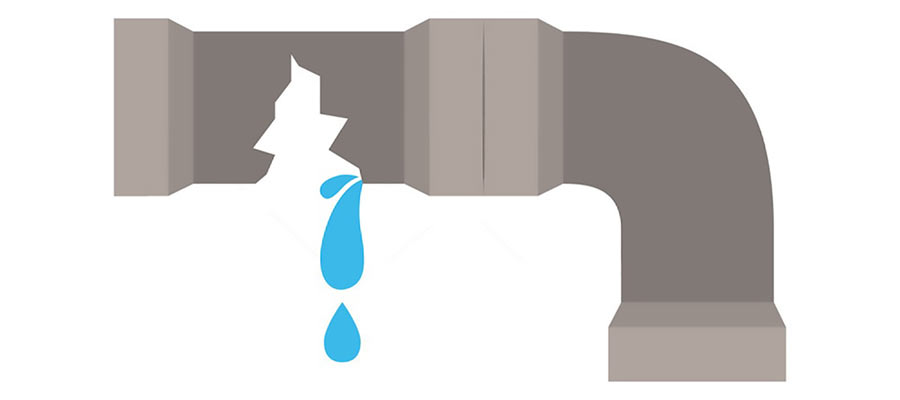
Water pressure dropped and won’t come back. The tap is emitting brown or rusty water. There is a wet spot in the yard that was not there before. The water bill jumped, and you haven’t been using more than usual.
The main water line is failing. The pipe is responsible for delivering water from the street into your house. When it’s bad, everything goes bad. The house experiences a reduction in pressure. Contaminated water. No matter how many times you fix them, the leaks persist.
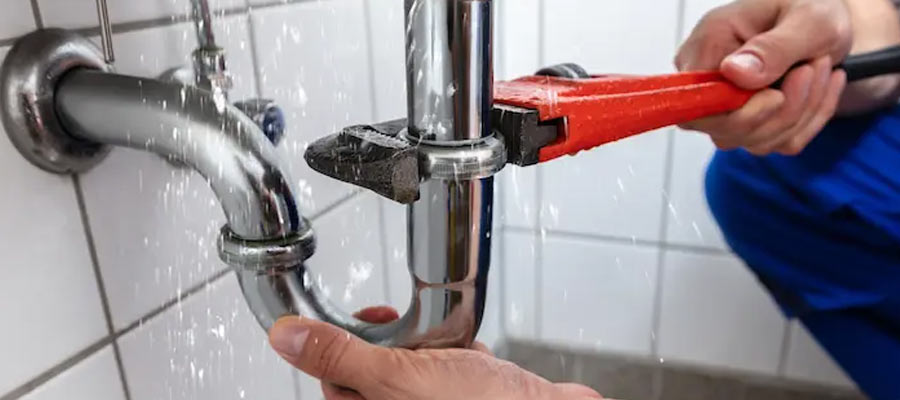
Repairs can only do so much when the whole line is corroded or damaged. At some point replacement is the only real fix. New pipe goes in, problems go away, and the system works properly for decades.
Here’s what water line replacement involves and how to know when it’s time.
Quick Facts
| Question | Reality |
| How long do water lines last? | The lifespan varies from 50 to 70 years, depending on the material used. Older galvanized steel fails sooner. |
| What will the cost of the replacement be? | $2,000 to $6,000 for most Houston homes. The cost is contingent upon the length and complexity of the project. |
| How long does it take? | Standard residential jobs typically take 1 to 2 days. |
| What kind of pipe? | PEX or copper usually. Both handle Houston conditions well. |
| Houston thing? | Clay soil and humidity speed up corrosion. Old galvanized and cast iron lines fail faster here. |
Why This Matters
The main water line is the lifeline of your whole plumbing system. Everything depends on it. When it fails, the whole property suffers. Low pressure everywhere. Every faucet releases water that is discolored. These leaks have the potential to cause damage to your foundation.
Houston’s shifting soil worsens this. The ground moves, pipes move with it, and old corroded lines crack. Foundation issues can follow water line problems if leaks go unaddressed.
Replacing a failing line means clean, safe water without rust and sediment contaminating it. Stable pressure at all your fixtures. There will be an end to persistent leaks and the need for frequent repairs. Modern plumbing also enhances the value of your home by signaling reliability to potential buyers.
Signs You Need Replacement
A sudden drop in pressure occurs throughout the entire house. It’s not limited to a single fixture, but it’s present in every area. The line is failing somewhere.
Discolored or rusty water. Corrosion inside the pipe is flaking off into your water supply. Not something you want to drink or bathe in.
There are wet spots or pools of water in the yard where they shouldn’t be. Water is escaping underground and coming to the surface.
The water bill is increasing without any apparent reason. You’re paying for water that’s leaking into the ground instead of coming out your faucets.
There are persistent leaks or bursts occurring in the same area. Patching doesn’t fix a line that’s deteriorated throughout.
How Replacement Works
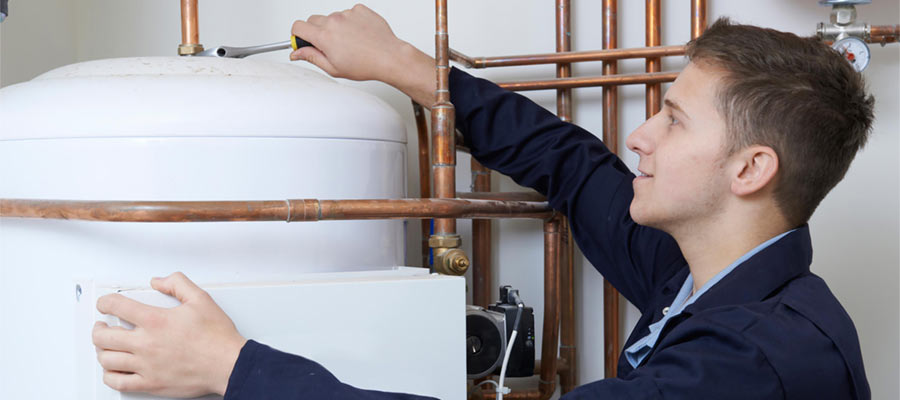
Starts with inspection. Licensed plumbers use video cameras or pressure testing to find exactly where the problem is. Sometimes only a section needs replacing. Sometimes the whole line.
Permits come next. Houston requires permits for underground plumbing work. A professional company handles all the paperwork and code compliance.
Water gets shut off before any digging starts. This prevents flooding and further damage.
The next step involves either excavation or trenchless methods. The traditional approach digs a trench to reach the line. Trenchless uses pipe bursting or relining to replace the pipe with minimal yard disruption. This method is effective in tight spaces, landscaped areas, and under driveways. Trenchless saves time, money, and your lawn.
Old pipe gets removed or broken apart. A new line, usually PEX (cross-linked polyethylene, a type of plastic used for plumbing) or copper, gets installed and pressure-tested to make sure it’s leak-free.
Backfilling and restoration finish it up. Soil gets compacted. The yard gets put back together. Professional crews leave the property as clean as they found it. This may involve the installation of fresh sod or the repair of landscaping.
Houston Challenges
The soil in Houston is composed of clay, which constantly expands and contracts. The shifting of underground stress pipes can lead to cracks in older lines that are unable to withstand the constant movement.
Elevated groundwater levels can hasten the corrosion process in metal pipes. Galvanized steel and cast iron suffer especially.
In urban areas with limited excavation space, trenchless replacement is a viable option. In many situations, trenchless replacement is the smart choice.
Professional crews with the right equipment handle these conditions safely and keep disruption minimal.
Repair vs Replace
| Thing | Repair | Full Replacement |
| Upfront cost | Lower | Higher |
| How long it lasts | Maybe 1 to 5 years | 50 plus years |
| Yard disruption | Minimal | Moderate or minimal with trenchless |
| Best for | One isolated leak | Aging or corroded lines |
What Affects Cost
Pipe material choice. Copper costs more upfront but lasts longest. PEX, or cross-linked polyethylene, is flexible, resists corrosion, and costs less than traditional materials. Both are excellent options.
Depth and location. Deeper lines are more complex. Lines under concrete driveways or patios add difficulty.
Access method. Trenchless costs more for the equipment but saves on restoration afterward. Traditional trenching is simpler, but yard repair adds up.
Length of line being replaced. Longer distance means more materials and labor. Price scales with scope.
Most Houston homes land between $3,000 and $5,000 depending on these factors.
FAQs
How long does replacement take?
1 to 2 days for most residential jobs. The type of soil, the length of the pipe, and the use of trenchless methods all influence the timing.
Do I need to leave during work?
No. Water is off temporarily, but you can stay home while they work.
What pipe material is best for Houston?
PEX (cross-linked polyethylene) and copper, a metal known for its longevity and strength, both work well here. PEX is a type of plastic that is flexible and resistant to corrosion, while copper is a metal known for its longevity and strength. PEX is flexible and corrosion-resistant. Copper offers longevity and strength. Either is a big upgrade from old galvanized steel.
Can tree roots damage water lines?
Yep. Roots find small cracks and grow into them. Over time, this condition can lead to leaks and blockages. This issue is frequently encountered in Houston due to the presence of large trees in the area.
How do I prevent future problems?
Annual plumbing inspections. Monitor water pressure for changes. Replace older galvanized or cast iron lines before they fail completely.
John Moore Services
John Moore Services provides water line replacement services throughout Houston. Please identify the areas of failure, select the appropriate pipe material, and ensure proper installation. Depending on your property, you may choose to use traditional trenching or trenchless methods.
Low pressure? Rusty water? Are there any wet spots in the yard? Call (713) 730-2525 or visit JohnMooreServices.com.