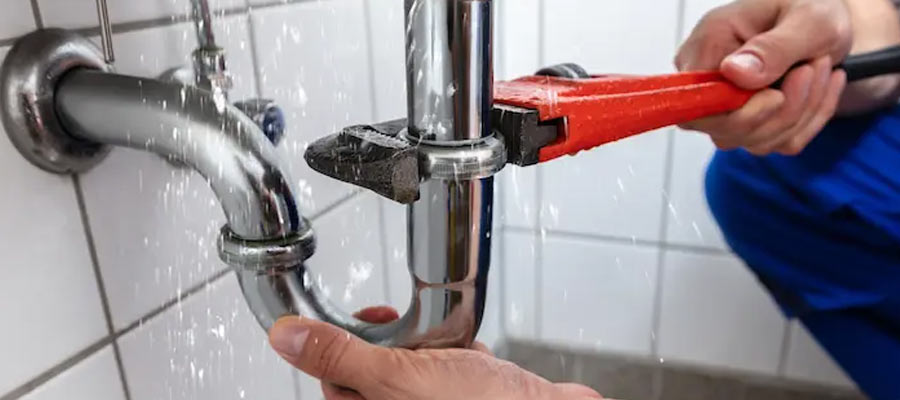
Visible pipe damage. Leaks that won’t quit. These ancient materials are no longer in use. The water in your home appears to be of low quality. Are any of these materials present in your vintage Houston home? Indeed, your plumbing system is likely in need of repair.
Look, older homes have this magic to them. Original hardwood floors. The crown molding in older homes is a unique feature that would be extremely costly to replicate in today’s world. The unique built-ins date back to the 1940s. People buy vintage for a reason.
But here’s the thing nobody tells you at closing. Behind those plaster walls? The pipes were installed during Truman’s tenure as president. Perhaps the pipes were installed during Eisenhower’s administration, if you’re fortunate. And pipe materials from that era weren’t meant to last forever. They were meant to last a lifetime. The trouble is, we’re now talking about someone else’s lifetime, plus yours.
How can you determine when the appropriate time has arrived? It’s not the “maybe we should think about this someday” kind of time. It’s important to schedule this before something unexpected happens.
Quick Reference: What’s In Your Walls
| Material | How Long It Lasts | Replacement Cost | The Reality |
| Copper | 50+ years | $3 to $8 per foot | The good stuff. Holds up well. |
| Brass | 40 to 45 years | $4 to $7 per foot | Solid, just not quite copper. |
| Cast Iron | 75 to 100 years | $100 to $150 per section | Built like tanks. Drains mostly. |
| Galvanized Steel | 20 to 40 years | $2 to $6 per foot | Rusts from inside. Replace ASAP. |
Sign One: You Can Actually See the Damage
Grab a flashlight. Seriously, go do it right now if you haven’t lately. Head to wherever your pipes are exposed. Basement. Crawlspace. That weird access panel in the back of your closet.
What you’re looking for isn’t subtle. Are there orange and brown stains on the metal pipes? That’s rust working its way through. Is there a green, crusty buildup on the copper pipes? Oxidation is eating away at the walls. Neither one means the pipe’s going to burst tomorrow. But both mean the clock’s ticking faster than you’d like.
Worse signs exist. Little dents and dimples in the pipe surface show weak spots forming. Thin walls. Future leak locations. And actual cracks? Even hairline ones? Those only go one direction, and it’s not the good one.
Flaking metal is the ugly one. When pipes begin to shed layers akin to a severe sunburn, their structural integrity has already been compromised. No amount of patching fixes a pipe that’s actively falling apart.
It only takes fifteen minutes once a year to address this issue. That’s all it takes to catch this stuff early. It is significantly less expensive than the cost of repairing water damage.
Sign Two: Leaks Keep Showing Up
One leak? Plumbing problem. Fix it, move on, and don’t think twice.
Have you experienced three leaks in the same year? Different story entirely. Your plumbing’s trying to tell you something, and the message isn’t great.
Here’s why vintage homes are sneaky about this. Everything went in at the same time. The same materials, the same installation crew, and the same conditions have been used for decades. When one joint decides it’s done, the others aren’t far behind. They’ve all lived the same life.
And small leaks? People blow those off all the time. Little drip behind the wall, who cares? Except that drip soaks insulation for months. Rots out wood framing. Mold grows, and you won’t smell it until it’s everywhere. By the time the ceiling looks funny or something smells off, you’re not just calling a plumber anymore. You’re calling remediation companies.
Write down every leak. Date, location, and what got fixed. Sounds tedious, but that record tells a story. When you’re deciding between another repair call and just replumbing the whole house, that history makes the decision obvious.
Sign Three: The Pipes Are Just Old
Sometimes everything looks fine. No rust. No leaks. Pressure’s decent. Then you pull the permit history and realize the plumbing went in during the Kennedy administration.
Age matters even when nothing’s visibly wrong.
Are copper pipes from the 1960s and 70s still in use today? Copper from the 60s and 70s is still in use in many homes in Houston. Fifty years isn’t the end for copper, but it’s definitely past the honeymoon phase. Those decades add up inside the pipe where you can’t see.
Do you have brass fittings from the 1980s? You’re in borrowed time territory already. The lifespan of brass was always limited to forty-five years.
Cast iron drains are the exception. Those things were overbuilt on purpose. They endure for seventy-five years, sometimes even surpassing a century, before they finally succumb to failure. The old engineers knew what they were doing with drain lines.
Galvanized steel, though? Twenty to forty years max. Rust builds up inside, mineral scale chokes the diameter down, and walls get thin. If the galvanized supply lines in your vintage place remain unaltered, then that project immediately rises to the top of the priority list. Don’t wait for the failure.
Sign Four: The Water Looks Wrong
Water’s supposed to be clear. Crystal clear. When it comes out of the tap looking yellow, brown, or with that unsettling reddish tint, your pipes are basically sending up a flare.
Rust does this. Galvanized steel and old iron pipes corrode from the inside. Particles break loose and travel with the water. Every time you turn on a faucet, you see the evidence.
Pay attention to timing, though. If you notice discolored water only in the morning, what should you do first? Sediment settling overnight. While the situation is not ideal, it’s a developing issue. No matter how long you run it, the water remains discolored all day long. Corrosion’s taken over the whole system.
Houston’s water doesn’t help. High mineral content eats through steel pipes faster than softer water would. Homes here with original galvanized lines see problems sooner than identical homes somewhere else.
Don’t drink or cook with noticeably discolored water. Just don’t. Get the pipes inspected first.
What Replacement Actually Looks Like
Big project? Yes. Impossible? No. And you don’t necessarily have to do everything at once.
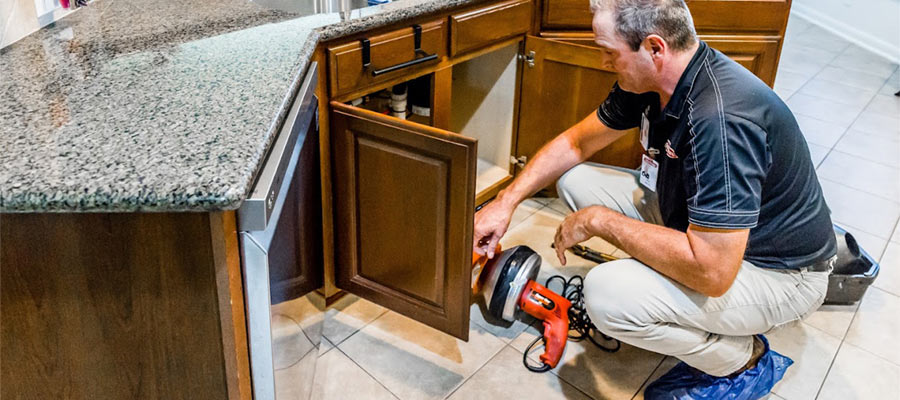
Start with someone who knows old houses. A plumber who’s been inside vintage Houston construction before can find hidden damage without tearing out walls unnecessarily. They know where the problems hide. They know which materials need attention now versus later.
Main water lines and drains come first in any phased approach. They also prioritize the maintenance of the kitchen and bathroom supply lines. The guest room, which receives use twice a year, can wait.
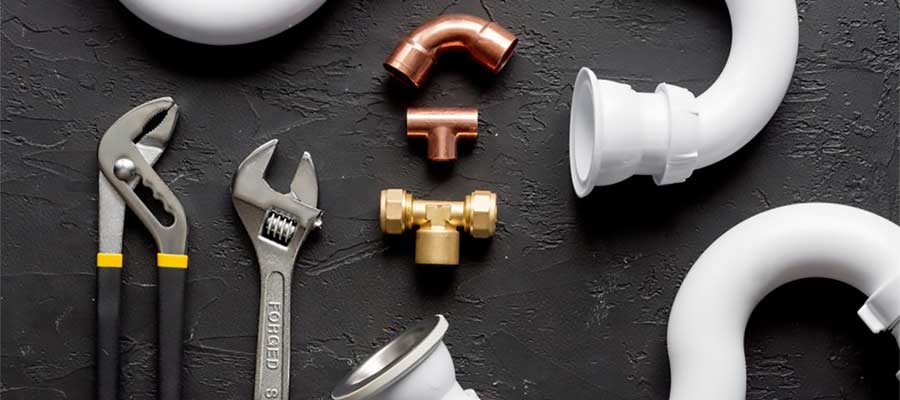
Material choices matter. Copper remains the preferred material for supply lines. PVC and ABS work excellently for drains. Cast iron makes sense for main sewer connections where you want serious durability.
Budget tight? Consider phasing it out over a year or two. Do the critical stuff first, protect against the catastrophic failures, then circle back for the rest. It is preferable to address the issue before a flood occurs.
What’s Happening in Houston Right Now
More vintage homeowners are choosing full replumbs over endless patching. The math shifted. When you’re on your fourth repair call of the year, replacement starts looking pretty reasonable.
The humidity in Houston also significantly affects exposed pipes. All that moisture in the air attacks anything in crawlspaces or unfinished basements. Compared to drier parts of the country, the humidity in Houston shortens the lifespan of exposed pipes.
Insurance companies started asking questions about plumbing age at renewal time. Some want documentation. Some charge more for houses with old galvanized systems. This serves as an additional incentive to proactively address potential issues.
FAQs
How often should I have someone look at my vintage plumbing?
Once a year works for routine stuff. Notice a leak, weird water color, or pressure drop? Don’t wait for the annual. Call sooner. Early catches always cost less.
Would it be possible to continue repairing instead of replacing everything?
For a while, sure. One-off problems get one-off fixes. But when repairs keep stacking up in different spots, or when the pipe material itself is past its expiration date, the math flips. Full replacement makes more sense.
What materials should go into a vintage home?
Copper for water supply. PVC or ABS should be used for drains. Cast iron for main sewer connections if you want longevity. All work well with older construction methods.
What’s this job going to cost me in Houston?
A full replumb runs somewhere between $8,000 and $25,000. The cost varies depending on the size of your house, the ease of access to the pipes, and the materials you choose. Partial work costs proportionally less.
Should I worry about discolored water?
Brown or yellow usually means rust is getting into the water. Small amounts won’t kill you immediately, but consistently funky-looking water signals pipe degradation. Please have it inspected before continuing to drink it.
Protect Your Vintage Home with John Moore Services
Your vintage home’s got character worth keeping. The plumbing? That can be quietly modern behind the original walls.
John Moore Services has been working on older Houston homes for decades now. Our plumbers know vintage construction, where problems hide, and how to assess what actually needs replacing versus what can wait. Honest assessments. Clear explanations. Work that holds up. Schedule an inspection and find out where your plumbing really stands.